
34% of Colorado households are cost-burdened, new state housing study finds

Over one-third of Colorado households spend more than 30% of their income on housing, with a heavier strain on the state’s renters, according to a statewide housing needs assessment released Monday.
Nearly 34% of households were cost-burdened under that definition as of July 1 this year, including 49% of renters and 25% of homeowners. The lower the income level, the higher the share of cost-burdened households. Colorado tends to have a higher share of cost-burdened households than other states, according to separate research from Harvard.
The State Demography Office released its first statewide housing assessment as part of a requirement under 2024 legislation to analyze current housing stock and estimate statewide needs for the next 10 years.
“Behind every data point are families hoping for stability and an affordable place to put down roots. The data from the HNA will be critical for us to be able to successfully map out a plan for Colorado’s housing future,” Maria De Cambra, the state Department of Local Affairs executive director, said in a statement.
The assessment comes amid a surge of new statewide housing policies passed by a Democratic majority in the state Legislature and championed by outgoing Democratic Governor Jared Polis. New laws from the past four years include efforts to increase density near public transit routes, make it easier to build accessory dwelling units and reform the state’s construction defect laws for condos. Voters also approved Proposition 123 in 2022 to fund various affordable housing projects.
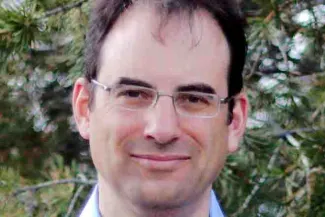
Phil Weiser
A new Legislature and governor take power starting in January. Governor-elect Phil Weiser, a Democrat, has a goal to add 40,000 more affordable units in the state by 2035 through policies like down payment assistance and development permitting reform.
“I think it might be a good time for some reflection, and an opportunity to take a look back and see, one, how far we’ve come and think through and maybe even measure the efficacy of some of these policies,” Brian Rossbert, the executive director of Housing Colorado, said.
But the upshot from the report is that affordability has declined over the past decade. State researchers estimate that a household needs to make $153,000 annually to afford a median-priced home at $547,900. Renters need to make $72,900 to afford the average apartment. The last time an average household could afford a median-priced home without being cost burdened was 2014. Put another way, the gap between income and how much a household needs to buy an average home is around $50,000 today, while it was just $2,600 in 2013.
“This gap has sidelined many households from becoming homeowners and has also been a driver in the increased supply of homes for sale,” the report says. Over the last three years however, home prices have remained relatively stable and incomes have risen slowly, shrinking the gap.
The area median income for a Colorado household of four people is $127,800.

“Affordability is one of the most dynamic elements of the housing conversation, the report says. “Developers can choose to build high-end housing in the single-family and multifamily space, but if households cannot afford to live there, the increase in supply will not solve the housing need for a community.”
There are 2.75 million housing units in the state, and 64.1% of those are occupied by owners. More houses are on the market than in any year since at least 2012, and the number of new multifamily units has exceeded demand over the past year. Mountain resort communities and the Front Range especially have a surplus of apartment units. Demographers found demand for market-rate renter housing on the Western Slope and Eastern Plains.
The report estimates an affordable housing shortfall of around 106,000 units. That would allow a 5% vacancy rate and reduce the number of residents — mostly young people — who are living with roommates or “doubling up” because they can’t afford not to. Last year, demographers estimated that the state needs 34,100 more housing units per year to prevent the shortfall from growing. They revised that this year to 34,950 per year to account for annual housing inventory losses.
Another figure in the report is an annual demand of 30,600 units over the next 10 years to support a projected population growth.
Additionally, as Colorado’s population ages, there will be more housing needs for older adults and people with disabilities. Demographers estimate there will be 238,000 more people with disabilities through 2036.
“This (assessment) gives us a little bit of a North Star in the housing community of a goal to work towards, which we haven’t had,” Rossbert said. “Since my time on the Affordable Housing Transformational Task Force back in 2021, we were always trying to put our finger on what the actual unit shortage is, and then how do we direct resources in the best way possible to meet that shortage. And this gives us a starting place.”