Climate change affecting Nebraskans' mental health

Researchers in the Midwest say more people are seeking mental health treatment for issues related to climate change.
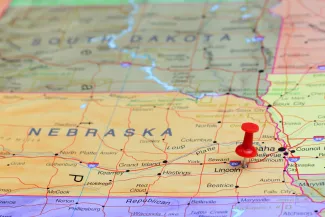
The problem is especially acute in Nebraska, where extreme cold and heat are affecting low-income residents with limited resources. Finding psychiatric care or counseling can be especially difficult in the state, where 88 of Nebraska’s 93 counties have been designated mental health deserts.
Derrick Sebree, PsyD – a University of Michigan clinical psychologist who studies the mental impacts of climate change – said hotter summers and colder winters bring further hardship for people enduring those extremes. He works with people who experience the emotional weight of social and environmental injustice and said it deeply affects their lives.
“For instance housing insecurity, or if people have food insecurity, then even going somewhere to try to get food becomes an issue,” Sebree said.
Nebraska Cares says an increase in extreme weather events will result in more people losing their homes and jobs, disrupting communities across the state. Some researchers have attributed an increase in severe weather events to the changing climate, including floods and droughts in Nebraska.
Sebree said mental health professionals are trying to address disparities in who suffers most.
“I think a big thing is just the importance of creating more sustainable and justice-oriented solutions for these kinds of injustices and just gaps within care,” he said.
According to the University of Nebraska Medical Center, extreme weather events also affect emergency rooms. More than 600 patients presented with heat-related illness in 2022, coinciding with a heat wave that summer.