Climate horrors in Colorado are no longer just a threat. They’ve arrived.

For a long time the premise of climate news was that humans are causing the planet to warm, and without emergency action, environmental disaster would result.
That’s changing. Increasingly the premise is that humans failed to take the climate crisis seriously and environmental disaster is here. It’s wrecking the land. It’s eliminating habitats. It’s hurting people. It’s killing people.
And it will only get worse.
The basis for this shift is all too evident in Colorado, where warming and aridification is fundamentally altering the nature of the state. Water is scarce. Fires burn with new intensity. Mountain snows are retreating. Burn scars don’t recover like they used to.
© iStock - Xurzon
Decades of warnings about what climate change would bring largely went unheeded. We’ve crossed into a new epoch, in which predictions are giving way to facts on the ground. Scientific studies chart the transition, including two that became available in recent weeks.
International agreements to phase down climate-warming chemicals from refrigerators and air conditioners represent some of the few concrete steps taken to address the crisis.
The low snowpack in Colorado this year shattered records. The state had its warmest winter on record, and the snowpack suffered in ways that can’t be overstated. The Colorado Climate Center at Colorado State University reported that the snowpack peak this year was half of the normal peak, arrived almost a month earlier than usual, and was the lowest peak ever recorded since modern measurements began.
A study from Colorado School of Mines researchers shows this was no accident — global warming is almost certainly to blame. The study, published this week, found that climate change makes snow drought about 14 times more likely in the Upper Colorado River Basin, which includes Colorado, site of the Colorado River headwaters.
“The consequences of low snowpack extend far beyond a bad ski season,” the school said. “Reduced snowpack strains water supplies, increases wildfire risk and affects hydropower generation, agriculture and municipal water systems.”
Incidentally, the multibillion-dollar Colorado ski industry is going away. By 2090, climate change could shave more than a month off the state’s ski season, and snow will be poor in quality as well as quantity.
But the wildfire risk is already a blaring reality. The Aspen Acres Fire southwest of Pueblo has burned almost 102,000 acres, making it the seventh biggest wildfire in Colorado history. The state’s three biggest wildfires all occurred in 2020, and the 20 biggest all occurred this century. Global warming is a culprit. It’s long been understood that human-caused climate change would lead to bigger, fiercer wildfires. A new report from the National Academies of Sciences, Engineering and Medicine, the nation’s leading scientific advisory body, affirms that extreme weather events — especially heatwaves but also drought, wildfires and other phenomena — can be attributed to climate change. The report also highlights how the science of attribution has become much more advanced than even a couple of decades ago.
The stakes of wildfires go beyond the loss of forests. Four firefighters have died this year so far in Colorado. The Aspen Acres Fire alone has destroyed more than 800 structures. And forests don’t recover from wildfires like they used to. The Hayman Fire of 2002, at the time the largest fire in state history, offers a tragic picture of what’s to come. The fire’s burn scar more than 20 years later remains a barren expanse of environmental wreckage.
“It was the precursor of our future then,” Carol Ekarius, former executive director of the Coalition for the Upper South Platte, told The Colorado Sun in 2022. “And it really is the precursor of our future today. Fire is here. It’s not going away. And it is being exacerbated by climate change.”
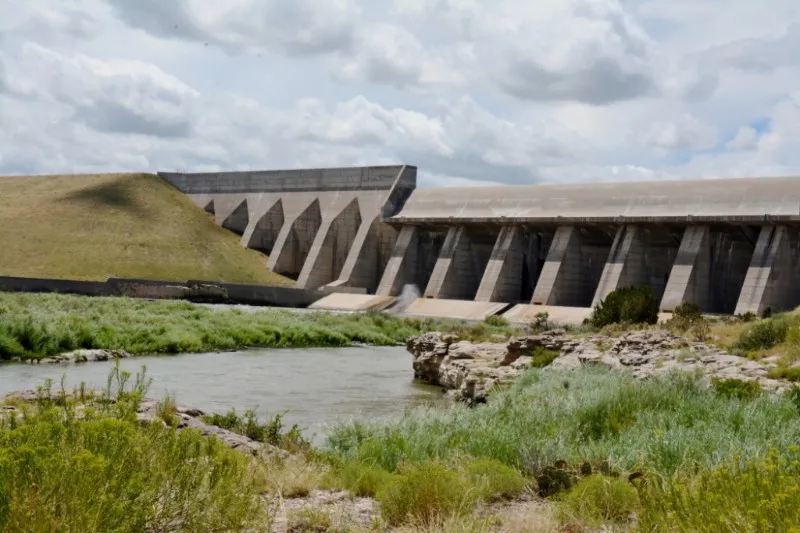
Forests are vanishing for good, and so is water. The Colorado River, a critical resource for 40 million people, is down to running 20% lower than normal. It’s so consistently depleted that Lake Powell, which provides hydroelectric power generation at Glen Canyon Dam, is at about one-third of its normal level and could soon sink so low that for the first time the dam won’t be able to produce electricity.
What’s happening on the Colorado River is largely a result of the climate change-caused drying out of the Southwest, a “megadrought” the likes of which hasn’t been seen for more than a millennium.
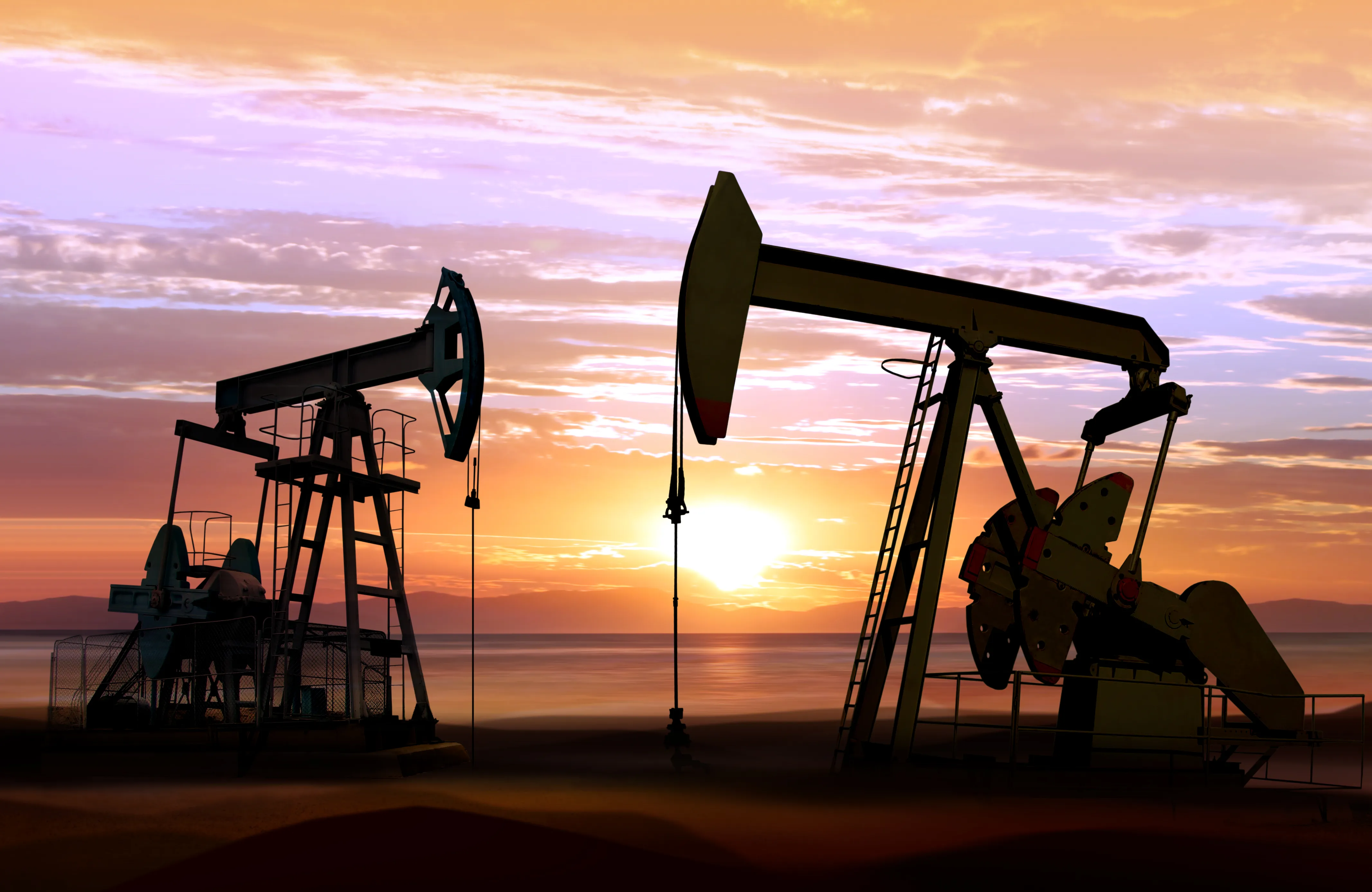
Far from responding to this here-and-now emergency that is causing dislocation, economic catastrophe, illness and death, federal officials scoff and demand more fossil fuel consumption while Colorado leaders pursue meager market-friendly climate policies. In case there was any doubt, this story has villains. No need to name all the corporate bosses, media apologists and politicians on both sides of the aisle responsible for downplaying or lying about the climate crisis. You know who they are.
They are the people, in pursuit of profits and power, who drove humanity to the point of habitat chaos. They’ve led us from a period of climate warnings to one of consequences. Colorado should do everything it can to minimize the damage, but much of it is locked in, so that the need for resiliency and adaptation grows as leaders spurn opportunities to avoid harm.