'Colonia' communities in rural Texas forgotten in federal funding

The federal government has sent billions of dollars to Texas as part of its mass deportation efforts and more money is expected to flow into the region after the U.S. House passed a reconciliation package funding Immigration and Customs Enforcement and Border Patrol through 2029.
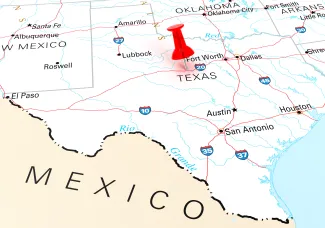
Texas has the most colonias — low-income, unincorporated settlements — of the four border states.
Sandra Fuentes, organizer for nonpartisan group The Border Organization, said residents in the communities are not benefiting from the influx of federal money.
“They lack in funding for education but millions are being spent, federal money on the river, on the buoys, on the razor wire, on the boxcars, on National Guard being there,” Fuentes emphasized. “Yet the community is lacking in so many other areas.”
Colonias often lack paved roads, safe drinking water and access to essential services. According to the Department of Housing and Urban Development, funding for colonias is available through HUD, the USDA and state or local agencies.
Fuentes noted The Border Organization aims to inform residents about ways to push for change and hold elected officials accountable.
“If they were not agreeing with their agenda, then that's what's going to get them out of office,” Fuentes explained. “Elected officials that are putting in place policies that are very damning to the ordinary citizens, to the underprivileged, to the underdogs, people that live in the colonias.”
Gage Brown, lead organizer for the effort, said the group plans to hold a forum with local, state and national political candidates before the upcoming general election to address issues important to South Texans.
“Raising the age to purchase a firearm and banning assault rifles and universal background checks,” Brown outlined. “They'll also be asking, are you committed to redirecting ‘border security funding’ to fund our failing public schools and healthcare system?”