
Colorado lawmakers consider cuts to afterschool programs

Click play to listen to this article.
As Colorado lawmakers consider cutting after-school programs to narrow an $850 million budget gap, the latest "America After 3 PM" survey showed three of four Black families who want kids in afterschool programs are not able to enroll.
The main barriers include long waiting lists, cost, a shortage of programs in Black communities, lack of safe transportation and inconvenient hours.
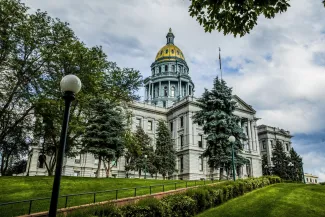
© fotoguy22 - iStock - 1468912821
Kim Schulz, director of youth development and engagement for the City and County of Denver, said programs during the school year and summer alike are a lifeline for families.
"What this does is it allows families to work," Schulz explained. "Knowing that their children are in a safe place with trusted adults, that makes parenting so much easier. It just reduces barriers."
Nearly nine of 10 Black parents surveyed said in addition to helping them keep their jobs, afterschool programs help kids develop decision-making abilities, social skills and build positive relationships with other kids. Among those surveyed, 80 percent of parents said the programs make kids more excited about learning in general and help spark curiosity in science, technology, engineering, and math.
Participation in Denver’s Out-of-School Time program among Black youth has increased from 20 percent in 2023 to nearly 28 percent in 2025. Schulz stressed one of the city’s goals is to ensure all families can access quality after-school programs.
"We have to treat after-school and Out-of-School Time programs as essential infrastructure," Schulz urged. "Because we know strong after-school programs are a benefit not just to families but the entire city and state.
The funding cuts being considered by lawmakers are expected to affect more than 5,000 kids. There are currently some 350,000 Colorado children on waiting lists for afterschool programs. Colorado’s investment in afterschool programs falls well short of other states, largely due to revenue caps under the Taxpayer’s Bill of Rights.