Daily Audio Newscast Afternoon Update - August 7, 2026

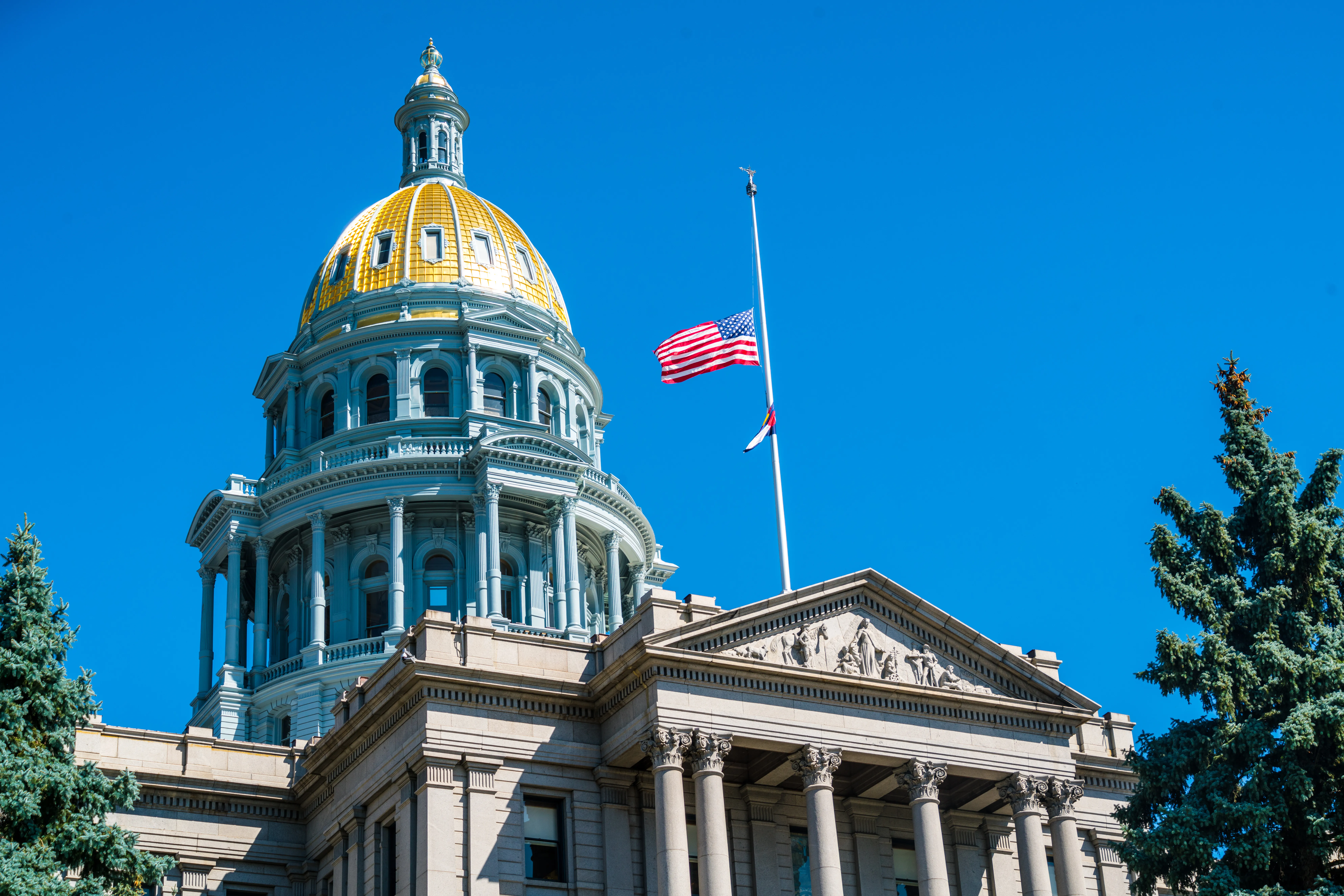
© INDU BACHKHETI - iStock-1336427297
News from around the nation.
The Senate Agriculture Committee fails to approve 2026 Farm Bill; eligible Kentuckians could lose coverage under Medicaid changes; 'Lazarus drug' becomes more accessible in Missouri; Head Start leaders say a federal rule will pummel rural communities; and if you are bitten by a snake in New Mexico's backcountry – walk, don't run.
Transcript
The Public News Service Friday, August 7, 2026 Afternoon Update.
I'm Edwin J. Viera.
The Senate Agriculture Committee failed to approve a new Farm Bill on a 10-11 party-line vote.
Democrats took issue with a provision requiring states with high error rates for SNAP to fund the program themselves beginning in 2027.
Congress has until September 30 to pass a new Farm Bill or extend the current version, which uses 2018 funding levels.
Massive changes to Medicaid are on the horizon and could have crippling impacts on Kentucky communities, experts say.
The changes, which include 80 hours per month of worker community volunteering alongside significant funding cuts, go into effect on January 1st.
Nadia Ramlagan reports.
Emily Beauregard with Kentucky Voices for Health says states remain in the dark procedurally, while also trying to gauge the potential loss of state workers and providers.
Our Kentucky Medicaid department is still trying to understand how they'll implement these incredibly complicated new requirements.
And that's on top of state budget cuts to Medicaid that put us at risk of losing state workers and providers.
According to the American Medical Association, the new rules are expected to increase health care costs and worsen patient access to care.
Naloxone, nicknamed the Lazarus drug for its ability to quickly reverse an opioid overdose, is becoming easier to access in Springfield.
Crystal Blair gives us the details.
The city's fire department has placed 14 free naloxone distribution boxes at fire stations and the department's training campus.
Each box is stocked with overdose rescue kits containing naloxone, a pocket mask, and treatment information.
The timing coincides with August being International Overdose Awareness Month, culminating with International Overdose Awareness Day on the 31st.
Italian Chief Christopher Roush says people can simply take what they need from the boxes.
Get naloxone, get trained in how to use naloxone, and be ready to respond if your neighbor or friend or loved one is in crisis in an overdose because it's as simple as administering that life-saving medication to keep that overdose from becoming a fatality.
The first boxes were installed last Friday with the last of the 14 put in place on Tuesday.
Rouse says residents can also visit revive417.com for naloxone locations as well as training on overdose response and CPR.
A community health center in one of Connecticut's largest cities is focusing on art's healing powers during National Health Center Week.
The Cornell Scott Hill Health Center in New Haven began its Heart of Healing initiative in 2020.
CEO Michael Taylor wanted art in the centers to promote health and well-being for patients and staff.
He brought in Sheila McCoy, who owns SDM Art Solutions Services, to commission and curate these works.
She explains the process artists used to create them.
We would have them visit the facilities, talk to some of the doctors, talk to Mr. Taylor, and then come up with a concept of what they saw happening in the space.
Feedback has been positive, with people noting art makes them more at ease when at the doctor.
A key part of the program has been commissioning local up-and-coming artists, and pieces are moved between Cornell Health Center locations to avoid stagnation.
McCoy says the program wants to expand and garner more funding for future projects.
This is Public News Service.
Early childhood leaders in Wisconsin say a proposed federal rule will deregulate Head Start, a program serving low-income families across the state.
Judith Ruiz Branch has more.
The policy from the Department of Health and Human Services was published today in the Federal Register.
Jenny Maurer with the Wisconsin Head Head Start Association says it would roll back requirements for classroom staffing ratios, teacher qualifications, and family support services.
She stresses those changes would undermine both program quality and the case for adequate funding, adding they would devastate rural Wisconsin, where nearly 70 percent of kids are already living in child care deserts.
In many cases, Head Start is either the only licensed child care provider or one of a handful.
And I think about how this rule could be a big step on the progression to losing Head Start in rural communities and how tragic that would be.
In Wisconsin, more than 12,000 families with children from ages 3 to 5 depend on the program.
HHS says the changes aim to simplify federal requirements, reduce costs and administrative burdens, and maintain protections and accountability.
Native tribes and conservation groups are preparing to sue the Trump administration after the president signed orders to sharply reduce the size of two national monuments in Utah.
Mark Richardson has the details.
Republicans are celebrating the move, while tribes and environmentalists say it strips protections from culturally significant public lands.
Governor Spencer Cox and Utah's congressional delegation joined the president to celebrate the signing of the orders.
Steve Block, legal director for the Southern Utah Wilderness Alliance, calls conservatives' vision for the state's wildlands wrongheaded.
Mike Lee's vision of the American West is not one with sweeping federal public lands.
His view is Utah should be the South Carolina of the West with almost no public land.
Trump reduced the area of the Bears Ears and Grand Staircase Escalante National Monuments by about 3 million acres from their current boundaries. roughly 90% of the original protected area.
Summer is peak snake season in New Mexico, increasing potential encounters.
And if you're an avid hiker, medical experts have some tips, as Roz Brown reports.
Movies often suggest snake bites mean instant death.
But that's more myth than fact, especially because today, medical care isn't far off.
Dr. John Femling has treated snake bites in the emergency room of the University of New Mexico Hospital and says awareness and avoidance are the best defenses against a snake surprise this summer.
He's often asked if applying a tourniquet above a bite is critical to keep venom from spreading.
In the southwest and with rattlesnake bites, don't do it.
What can often happen is if you restrict that, sometimes you have worse damage where that is.
The most important thing is to get to safety as soon as possible.
New Mexico has more than 50 kinds of snakes, but only about 10 are venomous.
I'm Edwin J. Viera for Public News Service, member and listener supported.
Find our trust indicators at publicnewsservice.org.