Daily Audio Newscast - November 9, 2026

© AlexLMX - iStock-823000260
Six minutes of news from around the nation.
In the aftermath of the GOP midterm defeat, the House is ready to impeach Pete Hegseth, pesticide makers in Iowa celebrate 'victory' in MAHA report changes, and the RANCH Act looks to find new use for marginal South Dakota farmland.
TRANSCRIPT
The Public News Service daily newscast, November 9th, 2026.
I'm Mike Clifford.
In the wake of the very big blue wave, efforts are growing to relieve Pete Hegseth of his duties.
NBC News notes House Minority Leader Hakeem Jeffries said he is a hard yes on supporting efforts to impeach Hegseth, which are expected to be brought to a vote this week.
Asked on ABC's This Week whether he would support Representative Thomas Massey in his efforts to impeach Hexeth, Jeffries confirmed he supported the push.
Pete Hexeth has to go, he added.
Meantime, new research says the pesticide lobby shaped a report by the U.S.
Department of Health and Human Services, which was supposed to address chronic diseases in kids and limit the use of pesticides on the nation's food supply.
When the report was released in May, it was stripped of recommendations addressing these issues.
CropLife America, the nation's leading pesticide industry trade group, has called its work on the report its biggest victory.
Stacey Malkin, editor of the non-profit advocacy group U.S. Right to Know, says the final Maha report originally contained pesticide restrictions, but looked completely different when it was published.
It did not call for any restrictions on pesticides.
It adopted language from the pesticide industry trade lobby.
CropLife America, a who's who of chemical interests, including Bayer, Corteva and Syngenta, launched a campaign called Farmers Voices Matter to represent ag producers across the country.
I'm Mark Moran.
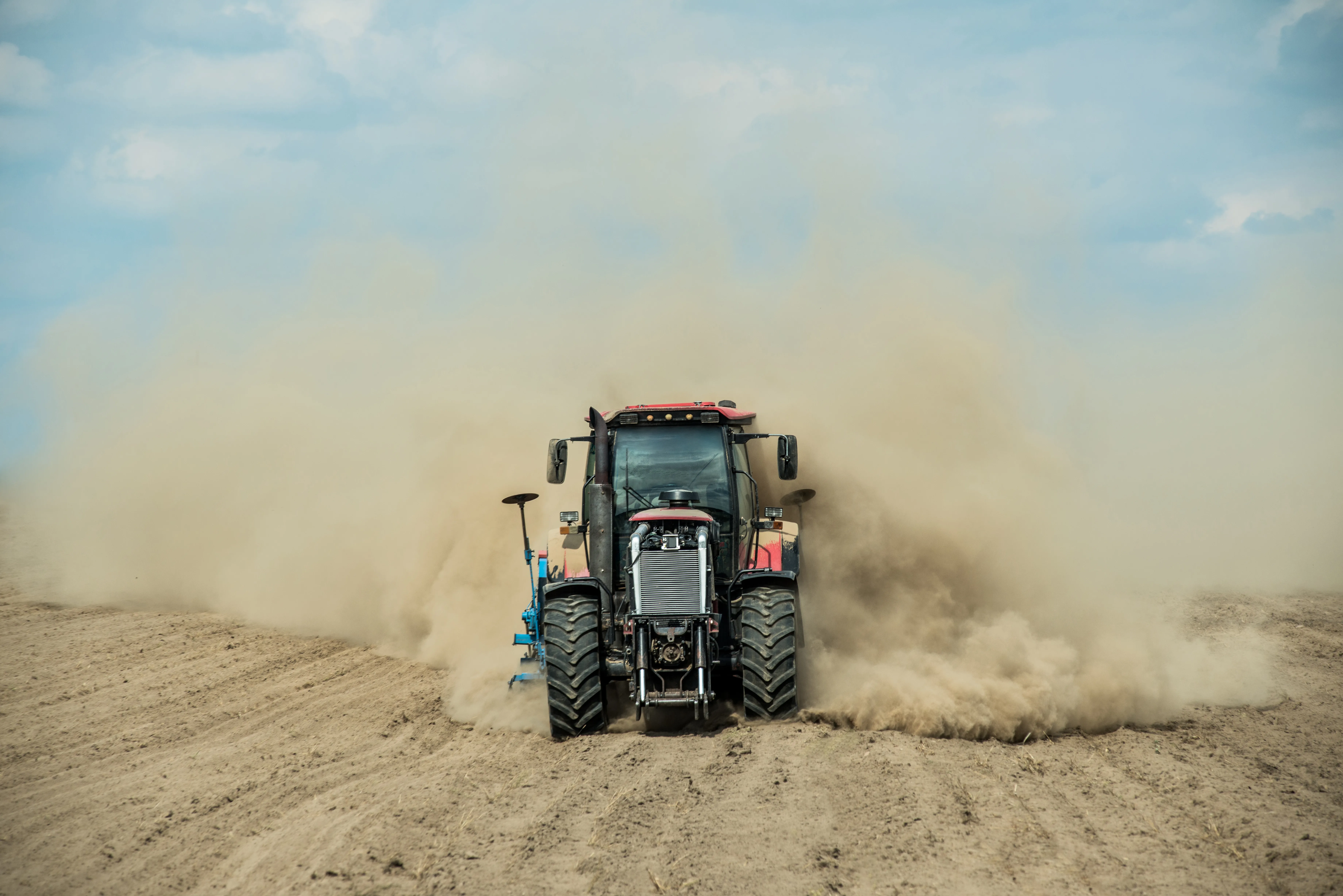
And as the Congress returns this week, South Dakota ranchers hope to see action on a bill to turn more row crops to pasture.
The Rebuilding America's National Cow Herd, or Ranch Act, would allow farmers and ranchers to turn marginal cropland into grasslands for grazing.
A.J. Munger, a rancher from Highmore, South Dakota, says it would accomplish a lot on the same acres of land by creating new income and preserving wildlife habitats.
You're addressing the oversupply issues in the commodity markets, and you're also providing additional grazing opportunities for young people at a time where we need to invest in the expansion of our domestic cow herd.
Munger says this grassroots producer-led bill has bipartisan support.
Republican Senator Mike Rounds of South Dakota and Democratic Senator and Minnesota Governor-elect Amy Klobuchar introduced it in Congress in August.
Brown says it could open up 20 million acres of grazing land in the U.S.
Opponents say it could reward people who've made bad decisions on where to plant crops and might not do enough to ensure growth of the U.S. cow herd.
I'm Laura Hatch reporting.
This is Public News Service.
In Los Angeles, a big event this Wednesday night is planned and will lift up arts and culture history and the humanities.
The theme is everyday courage.
The non-profit California Humanities will present its Spirit of the Humanities Awards.
Dr. Ann Burroughs, president and CEO of the Japanese American National Museum, will receive the award for courageous leadership.
She says California's post-war mistreatment of Japanese Americans remains highly relevant today.
It's critically important that we not only know the history, but we understand history, because if we don't know what the lessons of history are, then that can so easily be repeated.
The evening's featured speaker will be playwright and filmmaker Luis Valdez, founder of El Teatro Campesino, which helped spread the word about strikes and marches by Chicano farm workers in the 1960s.
I'm Suzanne Potter.
Next, the Upper Lewis River, which originates on the western slope of Mount Adams, has been nominated for the highest possible level of protection for waterways.
Located in the Gifford Pinchot National Forest in southwest Washington, the Upper Lewis and its tributaries are known for their clear pools and scenic waterfalls.
Susan Saul, founder of Cascade Forest Conservancy, says she's hiked in the area for decades.
She says the Upper Lewis provides the glacier-fed low water temperatures that salmon and other fish need and are harder to come by in a warming climate.
It's cold, clear water all the way down to the first reservoir.
It's one of the last rivers in western Washington that still has bull trout in it, which is now federally listed as a threatened and endangered species.
An outstanding resource waters designation would safeguard the Upper Lewis from anything that could degrade its water quality, like development, mining, and pollution.
The river is one of four that has been nominated to the Washington Department of Ecology this year.
Support for this reporting was provided by the Pew Charitable Trusts.
I'm Isobel Charle.
Finally, conservation groups are celebrating the acquisition of 985 acres of land across the South Fork of the Fork Deer River in West Tennessee.
The idea is to help restore the area's natural landscape.
For more than a century, low-lying floodplains near Jackson have been drained to accommodate railways, highways, and row crop farming, exposing residents to flash floods and disrupting wildlife habitats.
Kendall McCarter with the Tennessee Wildlife Federation says he hopes to see the return of towering oak and hickory trees and aquatic species like mussels to help filter the river.
To think that we can bring that back to this area of the community that is really not very attractive, but also ecologically lifting what is there is just really cool.
I'm Katherine Carley.
This is Mike Clifford.
Thank you for starting your week with Public News Service.
Member and listener supported.
Find a trust indicators at publicnewsservice.org.