Drought and low snowpack in Utah raise wildfire risk as federal budget creates a funding puzzle

With extreme drought gripping most of Utah and spring heat melting reserves of mountain snow to an all-time low, the state is staring down a tinder dry wildfire season that could come with big changes to its federal funding.
Maps of the national wildfire forecast show Utah covered in red by July — signifying higher than normal risk throughout the state — and with southern Utah getting there by June.
“It has the potential to be a real season,” said State Forester Jamie Barnes, emphasizing “real” as she spoke, “but we’re going to make it through it, and we’re going to make sure that we do all we can to keep Utah safe.”
Barnes and her teams in the Division of Fire, Forestry and State Lands are heading into the summer with more money for prevention efforts thanks to a state law passed last year. But they’re also keeping an eye on Washington, D.C.
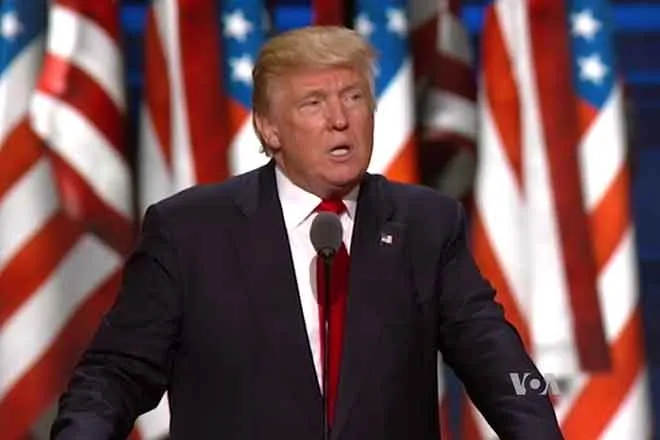
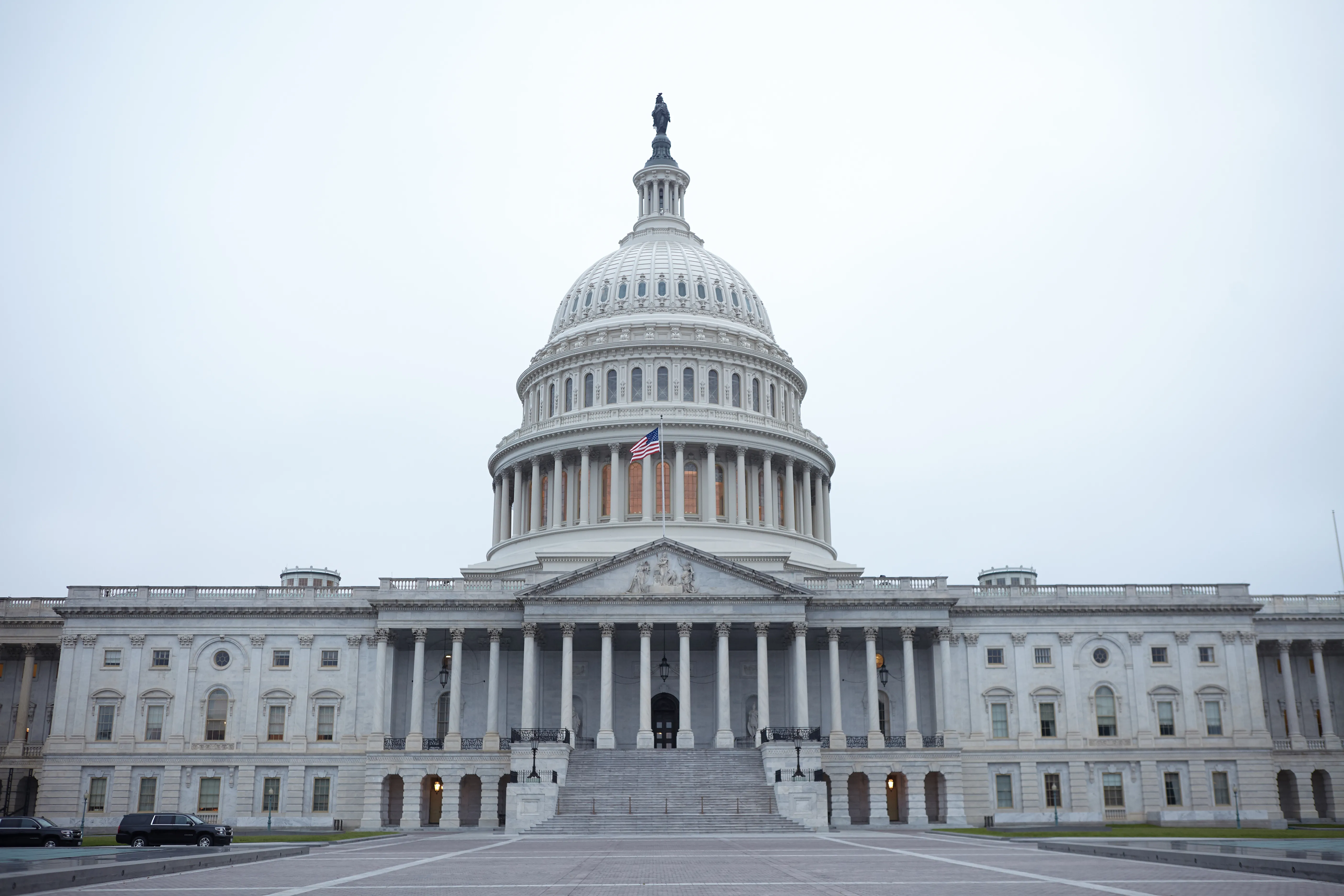
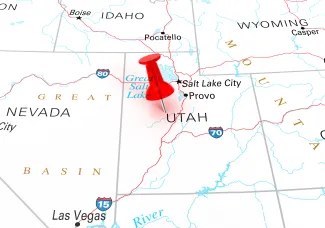
President Donald Trump is proposing budget cuts to forestry programs, along with research and development, as his administration moves to create a new, centralized fire agency and relocates the U.S. Forest Service headquarters to Salt Lake City, a move celebrated by state leaders and condemned by environmental groups.
The funding at risk provides $3 million to $4 million each year to the state’s fire and forestry program, Barnes noted.
“We’re watching that closely,” she said.
However, more federal money may flow to Utah through a different initiative. A Trump administration plan to ramp up logging across the country could send in funding for timber production, although Barnes said it’s too soon to know how much.
If Congress approves the cuts for the fiscal year starting in October, she and her colleagues will work with Utah lawmakers on making up the difference or rethinking the future of the programs in the division’s larger budget of more than $100 million.
After Utah shattered records for high March temperatures and its lowest snowpack ever recorded, Joel Ferry, executive director of the Utah Department of Natural Resources, didn’t mince words.
“Worst water year ever,” he told reporters following a news conference Monday. He described the state’s snowpack as its biggest water reserve, containing millions of acre-feet of stored water. If it melts in March, as it did this year, Ferry said, “we’re in trouble.”
No wildfires were burning in the state as of Thursday, but dozens have already sparked in 2026.
© Pixabay - David Mark
The Revola-Dugway fire in eastern Utah burned 36 acres in March after winds carried a controlled burn up a rugged hillside, said Joshua Phillips, Duchesne County fire and emergency manager.
“It was just one of those things for early March that’s a pretty big deal,” Phillips said. “The conditions and everything, it was tough to kind of keep it contained.”
The response included five city fire departments and help from state crews who stayed for several days, Phillips said. He noted in eastern Utah, memories of the Dollar Ridge Fire that burned about 69,000 acres in 2018 are still fresh, and this year’s outlook seems similar.
Citing dry conditions, Duchesne and Uintah counties announced fire restrictions earlier this week.
Barnes says the state is prepared, ready to stamp out flames quickly from the air so new starts don’t spread. And Utah can do more before there’s smoke in the air, she said, after lawmakers last year opened up $10 million for prevention efforts like reducing fuels and funding a public relations campaign reminding Utahns to do their part to prevent fires.
“This is something we’ve never been able to do before, and it’s really getting at that proactive approach,” Barnes said.
Another 2025 law mapped out which Utah homes are at risk of burning and required homeowners in those zones to start taking precautions if they haven’t already. Looking ahead, there are early indications of what this season holds.
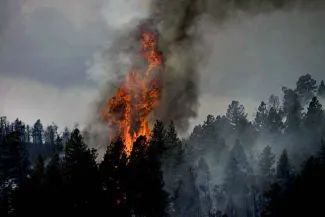
A timber fire in the Uinta mountains east of Salt Lake City was burning at more than 7,000 feet last month, an unusual development in March reflective of the record-low snowpack, according to Barnes and the national forecast.
“Normally, those fuels in those higher mountain levels would still be under several feet of snow,” Barnes said. “And that’s not the case this year.