EarthTalk - Is it true that wireless electricity distribution is a thing?

©
Dear EarthTalk:
Is it true that wireless electricity distribution is a thing? And can we expect to see it implemented widely in our lifetime?
Paul Baron, Albany, NY
Wireless electricity distribution is the transmission of electrical energy without the use of wires or tangible physical links. Nikola Tesla, a Serbian-American inventor, visionary and an early adaptor of the idea, found success with initial experimentation with wireless electricity transfer. However, further study led to a string of faulty results, revealing that the science backing his infrastructure was largely flawed.
His experiments’ diminishing successes led to a decline in investment, leaving an effective application unexplored at the time. Barriers lie primarily in the basic principles of physics. The inverse square law, for example, says that the further electricity travels, the more it weakens, meaning effective transport of electricity (without wires) over long-distances is not only inefficient, but difficult to achieve.
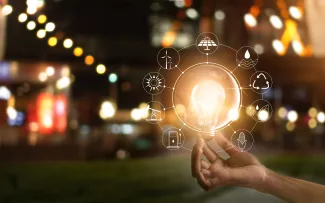
© iStock
With the cost and scientific barriers to the use of wireless electricity distribution, it’s unlikely to be widely implemented in our lifetime. Yet, significant progress has been made in technology related to the topic for small-scale and specific use. Indiana’s INDOT project to build a road that wirelessly charges electric vehicles (EVs) as they drive has achieved success. Similarly, work by companies like WiTricity (EV field), and Ossia (in the infrastructure industry) present significant benefits for humanity as a whole. While its long-term efficacy and use aren’t fully explored, the implications for such a project are immense. With its success, there could be the wide-spread adoption of similar motorways, advancing the practicality of EVs, in turn multiplying the decrease in carbon output from personal vehicles.
Additionally, wireless electricity distribution could be a sustainable solution to the devastation that follows a natural disaster. In a conversation with Wired, Dr. Chaouki Kasmi, a researcher at the Directed Energy Research Center in Abu Dhabi, contended, being able to "very quickly bring energy to impacted locations would be a game changer.” If the technology needed for wireless energy distribution advanced to be viable for widespread use, not only would the after-effects of disaster be mitigated, but EVs and other sustainable options would become increasingly viable. Phones, laptops and other household items could go without the inconvenient clutter, leading to a new era of technology. The applications and benefits are not fully known, but the challenges currently seen are significant.
The principal physics issues associated with advancement are significant, so widespread adoption of the technology is not likely to occur anytime soon. Still, small-scale applications still have benefit, presenting a possible solution to many of the smaller convenience issues presented by sustainable choices.
CONTACTS
- Could Wireless Power Beaming Finally Become Reality? wired.com/sponsored/story/qinetiq-innovation-trends-power-beaming.
EarthTalk® is produced by Roddy Scheer & Doug Moss for the 501(c)3 nonprofit EarthTalk. See more athttps://emagazine.com. To donate, visit https://earthtalk.org. Send questions to: question@earthtalk.org.