Governor Polis set to sign law denying Colorado farmworker overtime protections

© iStock - Pashalgnatov
Click play to listen to this article.
Governor Jared Polis is expected to sign a law passed by the Colorado legislature late last week to deny farmworkers overtime protections granted to all other workers.
The move comes after agriculture industry lobbyists claimed farm wages have grown at a much faster pace than other sectors.
Daniel Costa, director of immigration law and policy research for the Economic Policy Institute, said when adjusted for inflation, wage growth for farmworkers has been almost identical to other low-wage workers. He added farmworker wages, as a share of farm owner profits, have not budged for at least two decades.
"Farmowners see that they can use the significant power that they have politically to try to increase their profits a bit by squeezing this powerless group of workers," Costa contended.
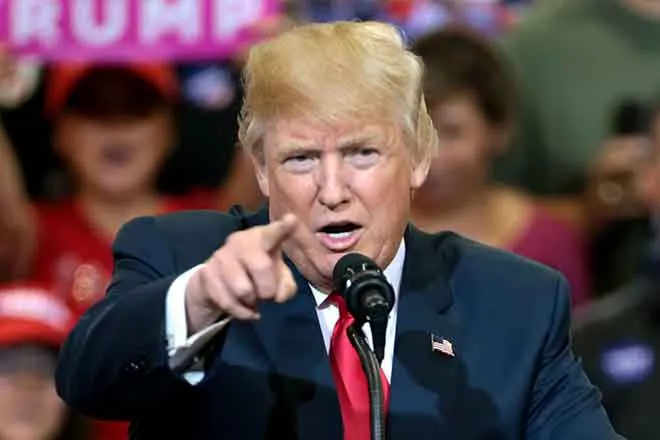
Farm owners are dealing with a perfect storm of challenges, from tariffs which essentially prohibit exports to buyers in China, to a shortage of fertilizer at planting time due to the closing of the Strait of Hormuz after the Trump administration attacked Iran. Colorado is also facing historically low snowpack reservoirs and decades of drought exacerbated by climate change.
Under Senate Bill 121, farmworkers must work 56 hours in a week before overtime kicks in. Costa noted farm owners actually benefit when they pay overtime because it increases productivity. He added if owners do not have to pay overtime, it reduces the incentive to stretch their dollars in other ways.
"They can do that by investing in equipment," Costa observed. "There are conveyor belts that move along in the fields that help workers package the produce that they pick more quickly."
Farmworkers are some of the lowest-paid employees in the entire U.S. labor market. In Colorado, they earn half the state’s average wage. They also suffer from high rates of occupational injuries and death. Costa argued if the business model requires not giving farmworkers the same protections afforded to all other workers, maybe it’s time to reconsider how we grow the food all Americans depend on.
"Maybe that’s not a sustainable business model," Costa emphasized. "Maybe we need to think about other ways of going after the problem, rather than making some of the lowest-paid workers be even more vulnerable, more exploitable."