Montana Bitterroot River groups fight fast-tracked mine proposal

A proposal to explore for rare earth minerals in Montana’s Bitterroot Valley is drawing fierce opposition from critics who want the Trump administration to stop fast-tracking the project.
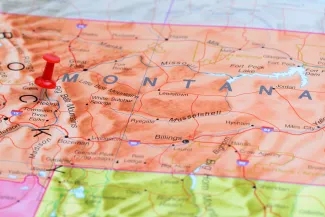
The Sheep Creek Mine would sit within the headwaters of the West Fork of the Bitterroot River in southwestern Montana. Opponents called it the worst possible location and environmental damage could affect everything downstream.
Alex Ocañas, manager of community conservation for the Bitterroot Water Partnership, said the river ties the region together.
“Water brings people together in the Bitterroot Valley,” Ocañas explained. “A river runs through it, through our valley, and our cornerstone economies rely on clean and abundant water.”
The project is on the Trump administration's “Fast 41” list, which speeds up the permitting process for infrastructure projects the federal government deems critical. Ocañas argued it undermines public participation. There are no public hearings currently scheduled for the proposal. Supporters said the minerals are needed for national defense, electric vehicle batteries and other technologies.
Lisa Ronald, Northern Rockies associate conservation director for the group American Rivers, said the project would affect downstream farmers, ranchers, towns and recreational users. She added tourism and fishing bring in tens of millions of dollars each year to the Bitterroot Valley. The area is known for its native trout population and attracts anglers from around the world.
Ronald stressed people should consider the worst-case scenario for the landscape and pointed to other mines which became Superfund sites, including those in Butte and Libby.
“We’ve lived that, I think, in a much more visceral way here in western Montana than other people have,” Ronald contended. “We know this lesson already. We don’t need to learn it a third time or a fifth time, or however many times this is.”
Ronald emphasized lived experience is part of why so many people have united against the project, even though it is still in its early phases. She wants the proposal removed from the Fast 41 list and underscored the issue could affect other rural communities.
“This is not just a colloquial little Bitterroot issue,” Ronald asserted. “The way that this process is working can affect a variety of Montanans in different places when you strip out the public component of public process.”
U.S. Critical Minerals hopes to complete federal permitting by mid-2027.