Nebraska farmers gamble on drought-resistant crops

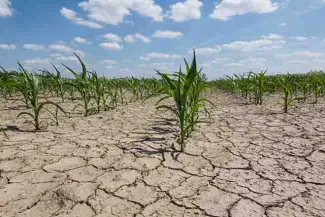
Crop scientists are researching heat-resistant plants as extreme drought grips most of Nebraska.
Sorghum, a crop that has been used in other countries and in the United States during past droughts, has several benefits. But some farmers remain concerned about lower yields compared with corn.
The U.S. Drought Monitor’s interactive map shows most of Nebraska in red, indicating the most dangerous drought conditions.
© iStock - Taglass
Andrea Eveland, principal investigator for the Donald Danforth Plant Science Center, said sorghum is genetically closely related to corn and could help reduce the threat from drought.
“But it is very drought-resilient,” Eveland said. “It’s also very heat-resilient and doesn’t need as much input such as nitrogen-based fertilizers, things like that.”
Sorghum yields are typically 10% to 20% lower than corn yields when precipitation is average. But when fields receive 21 inches of moisture or less per year, sorghum actually outyields corn.
Farmers try to predict how much rain they will get in a year before deciding what to plant.
Eveland said sorghum faces an uphill challenge because farmers tend to forget about the possibility of drought when rainfall patterns are normal. She said the United States is not immune to future food insecurity if extreme weather events persist.
“Even 50 years, 80 years from now, it’s going to look a lot different,” Eveland said. “If we don’t figure out now how to breed more sustainable crops that can thrive with much less water, much less inputs, then we’re going to be in a bad situation.”
Eveland said scientists, researchers, climate experts and farmers will need to cooperate if conditions become dire. She said balancing wet years with dry seasons and extreme drought will become more important over time.