New threats loom for Arizona's Indigenous voters

© Rebecca J Becker - iStock-1251580456
The U.S. Supreme Court recently ruled mail-in ballots arriving after Election Day can still be counted.
While the move is a win for Arizona's Indigenous voters, voting rights advocates said the debate highlights the challenges Native people face in trying to submit a ballot in person. The sheer geography, vast distances between physical polling places and lack of transportation all present obstacles for Indigenous voters. In many places, the nearest polling place may be miles away.
Jaynie Parrish, executive director of the group Arizona Native Vote, said many people on reservations also lack physical addresses, which creates its own set of problems.
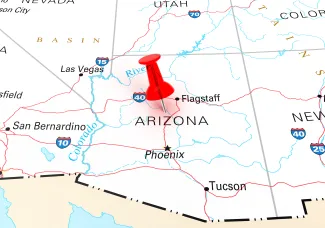
"Even in some rural towns, they have physical addressing, but not on a lot of tribal lands. We still predominantly use PO boxes," Parrish explained. "That means we have to go to a U.S. Post Office or another location to pick up mail but our folks still vote by mail."
The Trump administration has pushed back on the high court's ruling, asking justices to allow the president's executive order to be implemented. The attempt to reject mail-in ballots received after Election Day is among a host of bold policy choices under the Trump administration.
Parrish pointed to efforts to challenge voter citizenship, which she stressed hit especially hard on Native reservations.
"It's just absurd. You get a look on people's face when we have to explain this or when they hear about the news or what this means, and it's another barrier," Parrish contended. "It's ridiculous to ask First Peoples, Indigenous Peoples of their citizenship."
According to research from the Brennan Center, Indigenous voters were about 7% less likely to cast their ballot by mail in the last general election, reflecting a wider lack of participation among Native people.