North Dakota groups protest Flock license plate cameras

North Dakota groups are joining a national effort this week to raise concerns about automated license plate readers and demand greater accountability.
The Faith and Conviction Coalition is partnering with local organizations for DeFlock’s National Week of Action. Flock operates a massive nationwide network of roadside cameras, tracking and logging car movements into a database accessible to law enforcement.
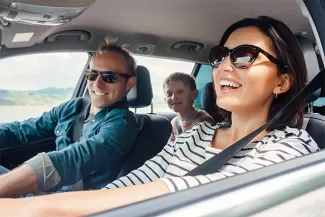
© iStock - Solovyova.
Erin Power, a deacon in the Evangelical Lutheran Church in America and member of the coalition, said the lack of clear policies governing the cameras creates concerns about privacy and Fourth Amendment rights.
"We are being tracked and surveilled without any sort of regulation. There's also concerns about the accuracy rate. There's only a 93% accuracy rate in identifying folks using these cameras, which has led to some really dangerous police encounters," Power explained.
The group is worried about actions targeting immigrant, refugee and migrant neighbors. More demonstrations are planned August 21 across the Fargo-Moorhead area.
Flock recently announced several policy changes to address concerns about its surveillance and data sharing and retention practices, as reports continue to surface of officers exploiting the Flock cameras for personal searches. The incidents have sparked widespread concerns about misuse.
Power pointed out the goal of the demonstration is to show residents how many local cameras there are in hopes of sparking conversation about surveillance, transparency and protections for the community.
"We're spreading out across the metro area at hopefully most, if not all, of the flock or ALRP cameras to show folks as they're driving home from work just how prevalent these cameras are and where they are, to show the pattern of movement that's able to be tracked as they're traveling in their day-to-day life," Power outlined.
Power noted the lack of transparency and regulation around how data is being used – and who has access to it – is alarming, which is especially true for immigrant and refugee communities, Power added, who may already be fearful of interactions with law enforcement. She stressed how much the cameras affect everyone.
"What we've seen and learned is that this is a concern across the political spectrum. Folks in all political beliefs have the shared concern around the use of these cameras," Power asserted.