Oregon petition to ban hunting and fishing moves closer to November ballot

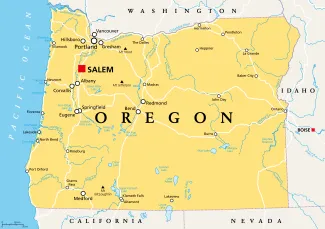
Last week, petitioners hoping to ban fishing and hunting in Oregon reached a milestone in their attempt to change state law.
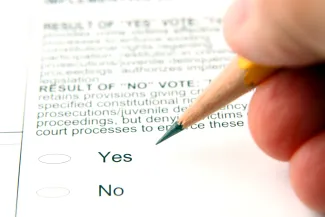
Initiative Petition 28, led by Portland-based animal rights activists, aims to expand animal cruelty laws and criminalize injuring, breeding or killing animals except in cases of self-defense or for veterinary care, such as spaying, neutering or administering euthanasia.
© PeterHermesFurian - iStock-1346531706
On Friday, the group surpassed the required 117,000 signatures needed to qualify for the ballot — submitting more than 126,000 signatures to the Oregon Secretary of State’s Office.
The office must verify those signatures using statistical sampling procedures before the petition can officially make it to the November ballot. If those signatures are valid, the new signatures bring the state closer to outlawing methods essential to some of its key industries.
It’s likely some signatures will be rejected, but petitioners can still submit signatures until July 2. Petition circulators generally aim to gather about 150% of the required signatures to account for invalid or duplicate signatures.
Initiative Petition 28 faces significant opposition across the aisle
Activities such as lawful hunting, fishing, wildlife management, scientific or agricultural research, pest control and slaughtering livestock are exempt from animal cruelty laws.
Initiative Petition 28 aims to remove those exemptions.
© Svanblar iStock-146069215
“The reason we are seeking to prohibit these activities is not to be punitive towards anyone currently involved with the injuring, killing, or breeding of animals, but rather to be protective of the needs of the animals and to codify their right to life and bodily autonomy in law,” the petition campaign website reads.
Criminalizing those practices would have significant repercussions on key industries such as Oregon’s beef industry, which brought in $127 million worth in exports in 2023, the fishing industry, which generated $517 million in household income and supported 10,300 jobs in 2025, and for research at public universities that bring in billions across the state.
Major industry groups such as the Oregon Farm Bureau, the Oregon Hunter’s Association, the Sportsmen’s Alliance and the Oregon Cattlemen’s Association all have expressed strong opposition to the petition.
And if it passed, there would be less money for wildlife management because it would eliminate fishing and hunting licenses.
The passage of IP 28 would effectively turn Oregon into a ‘no kill or harm’ sanctuary state, eliminating in-state meat, dairy, and animal protein production. Oregonians would be forced either into a vegan lifestyle or to rely on food shipped in from other states or countries. This would increase food costs for families, undermine local food security, and make Oregon dependent on the national and global food supply chain.– Oregon Farm Bureau
Many Democrats and Republicans alike have denounced this initiative, including the gubernatorial candidates running in November.
Christine Drazan, a Republican Canby state senator, called the petition an attack by Governor Tina Kotek’s allies against the state economy.
“Banning hunting, fishing, and basic animal husbandry would kill thousands of jobs and threaten our food supply at a time when we can least afford it,” Drazan said in a post to X.
Kotek, however, also opposes the petition.
“I know tribal leaders, family farmers and ranchers and Oregonians across the state who care deeply about protecting our land, waters and wildlife,” Kotek said in a campaign video posted to social media. “This petition does nothing to help that, and it risks criminalizing common agricultural practices that are critical to Oregon’s economy.”
If passed, the petition would create a transition fund to help people train for new jobs if they’ve lost their livelihood because of it.
The petitioners have the right to try to pursue this ban under Oregon’s initiative petition process, a process citizens may follow to create their own law without needing sponsorship from a state lawmaker.