What does the early voting appeal mean for future midterms?

© iStock
Election results are now being dissected in Minnesota and across the country. People who study the voting process are also figuring out how trends from this year's midterms might play out in future elections.
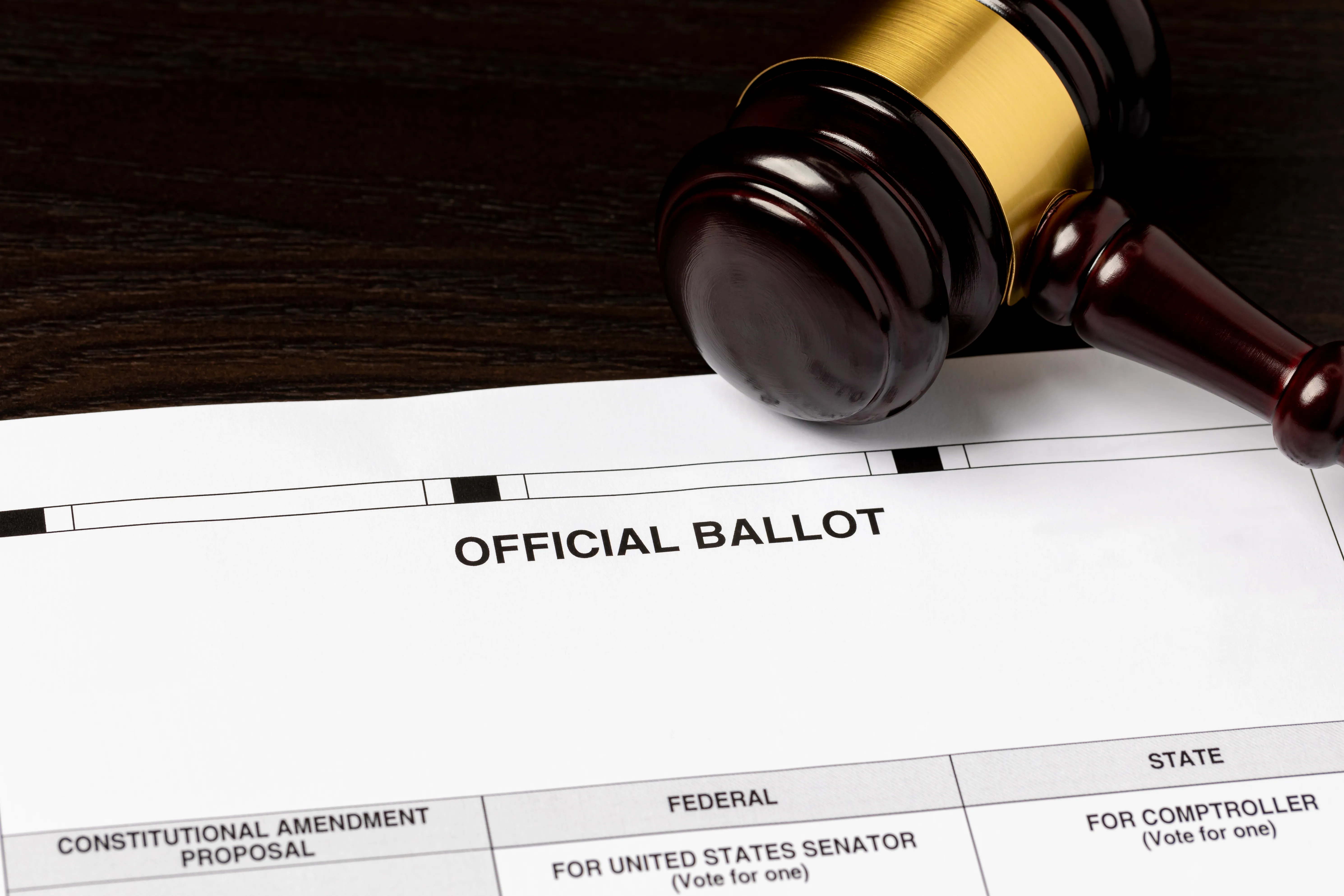
Leading up to Election Day, Minnesota officials reported record early voting numbers. Nationwide, nearly 60 million ballots were cast ahead of Tuesday, topping previous midterms.
Chris Mann, research director at The Center for Election Innovation and Research, said standout numbers have been more common in recent presidential elections. He added research shows the appeal to early voting has staying power.
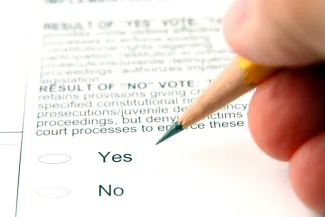
© Svanblar iStock-146069215
"Once people try them, they tend to stick with them. So I think that once people have discovered the choice, the convenience of these options, that's why over time, it has been growing," Mann observed.
It means first-time early voters this year could add to the gradual increase, no matter the election. Mann pointed out a number of factors likely contributed to people being eager to vote in the midterms and casting their ballots before Election Day. Those include the competitive nature of races in states like Texas and narratives about democratic norms being disrupted by federal actions.
Mann added as voters adjust when they cast their ballots, candidates are adapting, too, when pitching their campaign platforms to the broader electorate.
"Candidates are getting that information out earlier. They're talking to voters over a longer period of time. And some observers even think that it's improved things because we don't see kind of last-minute surprises and attacks," Mann noted.
Political action committees, namely super PACs, are linked to consistent attack ads throughout each election cycle.
But for the candidates themselves, Mann stressed having to engage sooner means voters will not have their ballot research upended by a so-called "October surprise." One potential drawback, he said, is that grassroots-style candidates, especially in local races, might not have the resources to campaign over a longer period.