Colorado State economist explains why groceries cost more and how much reaches farmers

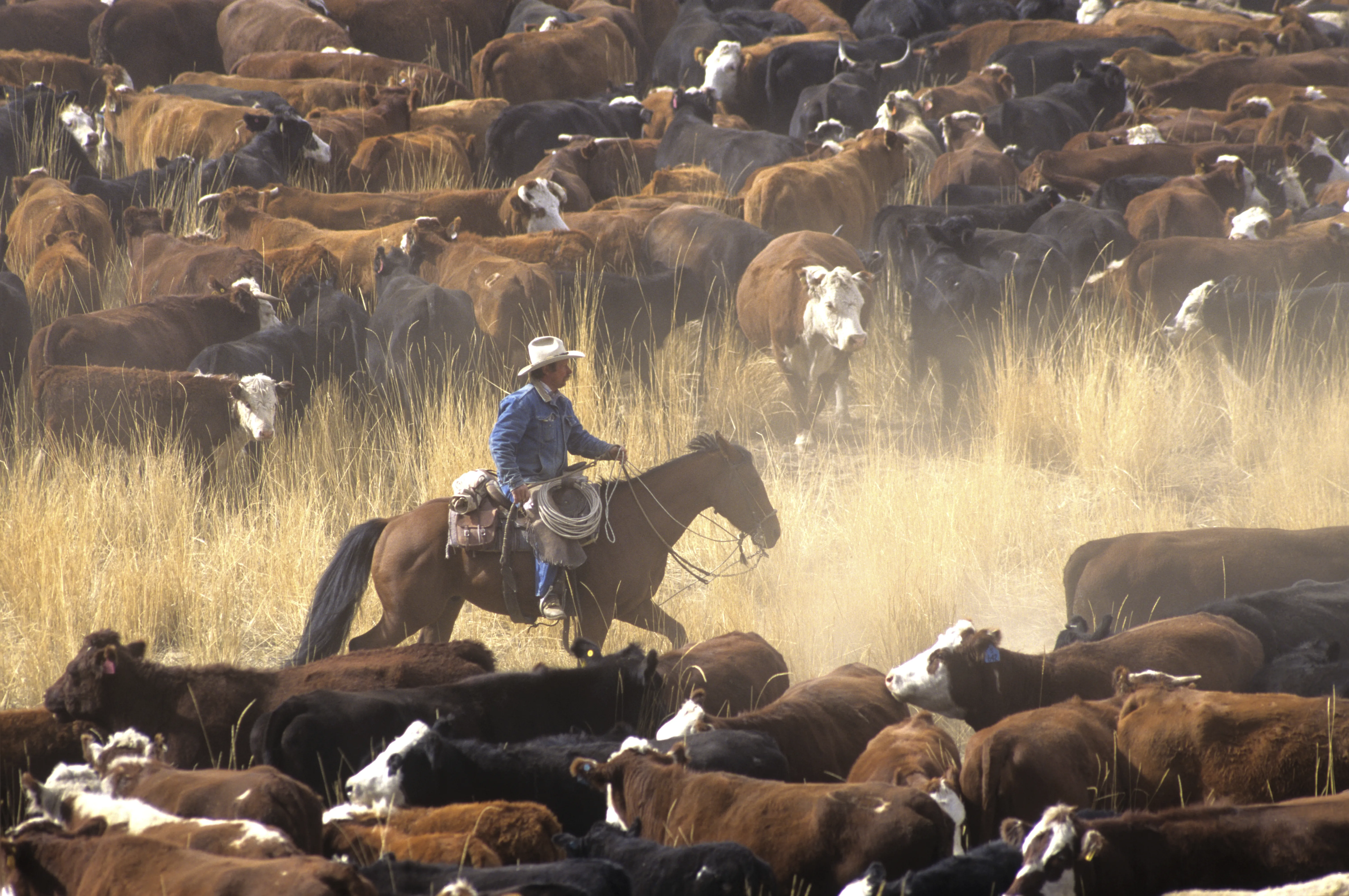
Grocery prices are up across the board, and high fuel costs are a big reason, says Colorado State University agricultural economist Dawn Thilmany. She also says farmers get only a small share of each grocery dollar, usually between 8 percent and 11 percent.
Thilmany is a professor in the university's Department of Agricultural and Resource Economics. She co-directs the Colorado State University Regional Economic Development Institute. The research group works to make rural Colorado communities stronger economically.

© iStock - Pashalgnatov
Thilmany said the general price of groceries has gone up. Some products are rising much faster than others. Beef is one of them. Beef prices are rising faster than general inflation, she said. Most other foods are in line with inflation across the economy. Egg prices were high for a short time two or three years ago. They are now back to normal. Eggs are considered one of the more affordable proteins.
Thilmany said the cost of doing business has gone up. Some of the reasons are good ones. Many states raised minimum wages a couple of years ago. That helps farm workers, who tend to earn closer to minimum wage.
Other causes are more concerning, she said. Tariffs might support a good long-term goal of making U.S. producers more competitive. In the short term, though, they have raised prices.
This last year, fuel prices have driven up grocery costs. Fuel moves food around the country. Products like beef and produce must also stay cold in transit and in the store.
"Keeping the cold food supply chain cold is very energy driven," Thilmany said. "When you see energy prices go up, that hits almost every single stage of the food supply chain."

Fuel affects every step, she said. Fossil fuels are the base of synthetic fertilizer. They are also used to make it. Farmers need fuel to plant and harvest crops. Fuel is needed to get crops to market. It is used for drying, processing or baking raw materials. It moves products to the store and sometimes keeps them cold there. Fuel prices have pushed up prices most on cold products, such as dairy, meat and produce.
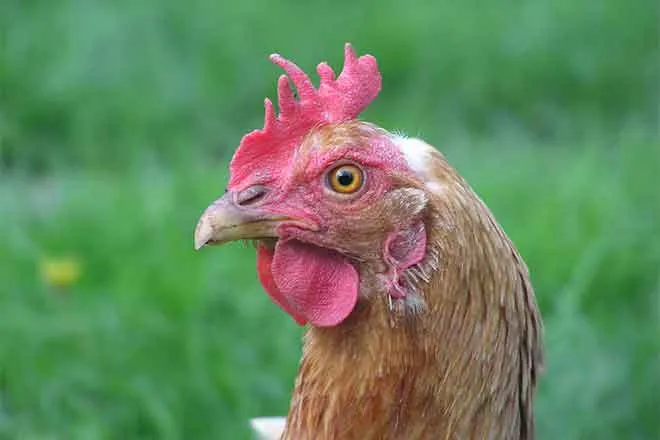
The farmer's share depends on how much is done to a product. For eggs, 60 percent to 65 percent of the price goes to the farmer. Eggs are only cleaned, put in a carton and shipped. The other 35 percent goes to shipping the eggs and to the store that sells them. At a farmers market, 100 percent of the price of an egg might go to the farmer. That is because the farmer does those other steps, which also cost time, money and labor.
Corn used in cornflakes is the other extreme. Only 3 percent of the price might go to the farmer. The corn must be dried, flaked, flavored, boxed, shipped and sold. Thilmany calls this the value-added supply chain. Each business along the way wants to cover its costs and make some money. Each step costs between 10 percent and 20 percent of the product price.
"The more hands that have to touch a product, the more likely it is a small share goes to the farmer," Thilmany said.

She said shoppers are often shocked to hear that only 10 cents of the grocery dollar goes to farmers.
"That bothers everybody, but you, as the consumer, probably are causing it, because it is that desire for convenience that adds different steps and players into the food supply chain," she said.
People who cook from scratch and buy food in raw form can get better prices, she said.
Farmers market food is not always cheaper, Thilmany said. Farmers have costs too. They are not as big as Walmart or Amazon, so they cannot work at the same scale. Shoppers may have peace of mind that their money goes to someone local. Several farmers told her this year that they do not want anyone to struggle to feed their families. Because farmers do not ship goods across the country, current conditions have helped them compete with store prices.
Higher prices are hurting the 25 percent to 30 percent of the country that is food insecure, Thilmany said. That means they do not have reliable access to enough food.
Americans still spend less of their income on groceries than people almost anywhere else in the world. But income across the country has not been stable, and poorer households keep falling behind. The top 20 percent of households spend only 1 percent of their income on food.
Thilmany volunteers at the Food Bank for Larimer County. She said more senior citizens who are food insecure are coming to food banks. Some people retired 12 years ago thinking their pensions would be enough.
"Now they've seen that fixed income they're on as a retiree be obliterated," she said.

College students are also more food insecure than ever, she said. They are coming to the food bank and to the Rams Against Hunger food pantry on campus. The lowest 25 percent to 30 percent of households are hurting worse than they have in a while, she said.
Food costs more in other countries for several reasons, Thilmany said. Europe has less land for farming, so supply is tighter. The European Union has stricter rules on things like organic food and genetically modified crops. Higher prices help more European farmers stay in business. Some European cultures also make cheese, wine, butter and bread the same way they have for centuries.
Japan also lacks the land to grow more food. The United States has a huge landmass and many climates. It can grow almost everything except a few tropical fruits, chocolate and coffee. U.S. policies also pushed for large-scale efficiency. Some people say that has meant fewer farms. Others argue the move to ultra-processed foods made food cheaper but has had health effects.
For Thanksgiving, Thilmany said a shopper who spends $100 at a store probably sends $10 of it back to a farm. At a farmers market, close to 90 cents of every dollar goes to the farmer. Farmers markets may not carry everything, such as pre-made cranberry sauce or gravy.
Farmers who sell at markets give up every Saturday all summer, she said. Sometimes they truck their goods to market at 5:00 a.m. They do it because they want their farms to last and to pass them on to their children.
"It is certainly not convenient for them, and they're trying to make it as convenient as they can for us," Thilmany said. "When you talk about food being affordable, think about the people who are helping to make it more affordable or convenient or healthy. Those folks work really hard."
Thilmany also directs the Northwest and Rocky Mountain U.S. Department of Agriculture Regional Food Center. She serves on the Colorado Food System Advisory Council.