Colorado voters to decide on harsher fentanyl penalties on 2026 ballot

© karenfoleyphotography - iStock-832280392
A measure backed by a conservative dark-money group proposing tougher penalties on fentanyl possession and distribution will appear on Colorado’s 2026 ballot, the secretary of state’s office announced.
Initiative 85 is the first measure to qualify for the 2026 ballot. It’s backed by Advance Colorado, a conservative nonprofit advocacy group that does not disclose its donors. Supporters last month said they had turned in more than 180,000 petition signatures for the measure, and state elections officials confirmed Monday that the group had submitted the 124,238 valid signatures required to place a statutory initiative on the statewide ballot.
© Svanblar iStock-146069215
The measure would make the possession of any amount of fentanyl a felony, further rolling back a bipartisan drug policy reform passed by Colorado lawmakers in 2019. It would also mandate harsher penalties for the “distribution, manufacturing, dispensing, or sale” of fentanyl.
“Fentanyl remains the single biggest public health issue facing our state,” John Kellner, said in a statement posted to social media by Advance Colorado. “While steps were taken at the state Capitol to try and address the situation, those steps did not go nearly far enough.”
An estimated 790 people died from a synthetic opioid overdose in Colorado in 2024. Consistent with national trends, that figure represented a substantial drop from peak levels in the previous few years, though it’s still higher than the rates of overdose deaths prior to 2020.
Colorado lawmakers in 2019 passed a law, House Bill 19-1263, reducing the possession of less than 4 grams of most controlled substances from a felony to a misdemeanor, a change that supporters, including the Colorado Criminal Justice Reform Coalition, at the time called a “step toward treating drug use as a matter of public health rather than criminal justice.” The bill was cosponsored by two Republicans, former state Senator Vicki Marble of Fort Collins and Representative Shane Sandridge of Colorado Springs.
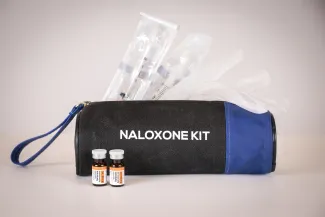
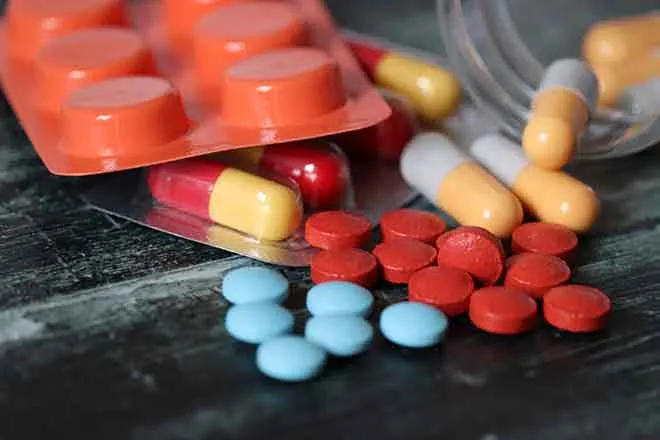
It was signed into law just as overdoses from synthetic opioids like fentanyl were surging. Public health researchers attribute the surge in large part to the aggressive crackdown on the supply of opioid medications like OxyContin in response to the 2010s opioid crisis, which led dealers and people with substance use disorders to seek alternatives. Because of their high potency in extremely small doses — fentanyl is used in medical settings in amounts measured in micrograms — synthetic opioids are much more dangerous to users of illicit drugs. A counterfeit pill containing as little as 2 milligrams of fentanyl can lead to a fatal overdose.
The alarming increase in fentanyl overdoses also gave rise to widespread myths and misconceptions about the drug. Police officers, including some in Colorado, have routinely claimed to have been affected by “passive exposure” to aerosolized fentanyl powder, which toxicologists say is pharmacologically impossible. Law enforcement figures and conservative politicians also frequently make wildly exaggerated claims about the number of fatal fentanyl doses seized in drug busts, by confusing the “compound weights” of seized pills containing fentanyl for pure fentanyl in its powder form. Such misinformation risks harming people in need of emergency treatment by making bystanders and first responders more hesitant to intervene, according to medical experts.
Under pressure from prosecutors and law enforcement officials, state lawmakers in 2022 rolled back HB-1263 and made possession of more than 1 gram of any compound containing fentanyl — roughly as little as 10 counterfeit opioid pills — a felony again.
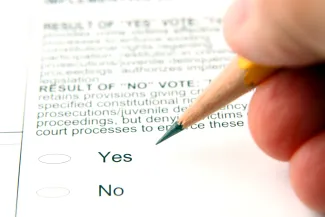
As a statutory measure, Initiative 85, which will receive a new proposition number when it appears on ballots in November, would need a simple majority to pass.