Daily Audio Newscast Afternoon Update - December 16, 2025

© INDU BACHKHETI - iStock-1336427297
News from around the nation.
U.S. unemployment rate rises, a warning sign for economy; NYS group helps Hispanic, Latina maternal mental health; KY board greenlights more than $2 million for ag diversification; OH residents raise concerns about injection wells near Marietta aquifers.
Transcript
The Public News Service Tuesday afternoon update.
I'm Mike Clifford.
The unemployment rate rose in November, a warning sign for the health of a labor market that has been strained by federal layoffs and rising costs.
That from the New York Times.
They report unemployment last month rose to a rate of 4.6 percent, up from 4.4 percent in September, the last month in which officials had a full picture of the labor force before the weeks-long government shutdown.
Employers added 64,000 jobs in November, but the federal government lost 105,000 jobs in September as workers hit by deferred resignations came off the payroll.
The Times notes there was a large jump in a broader measure of labor market slack, which includes people who are working part-time but would rather work full-time, as well as those who want a job but haven't looked in the past month.
Meantime, New York groups are helping Hispanic mothers with maternal mental health issues.
This comes as an Office of Mental Health report finds about 20 percent of all state pregnancy-related deaths in 2020 were attributed to mental health issues.
More from our Edwin J. Viera.
The Hispanic Federation's programs are designed to break in silence to remind mothers they're not alone in dealing with maternal mental health issues.
Maria Lugo with Hispanic Federation says Latina and Hispanic mothers face cultural challenges to accessing mental health services.
The norms in our culture is basically sacrifice.
Sacrifice for the family and sacrifice for their children.
They don't necessarily look and think about their care and they're always thinking about others.
Some of the Hispanic Federation's workshops delve into basic education on what a mother's prenatal and postpartum mental health may look like and tools to address symptoms they are experiencing.
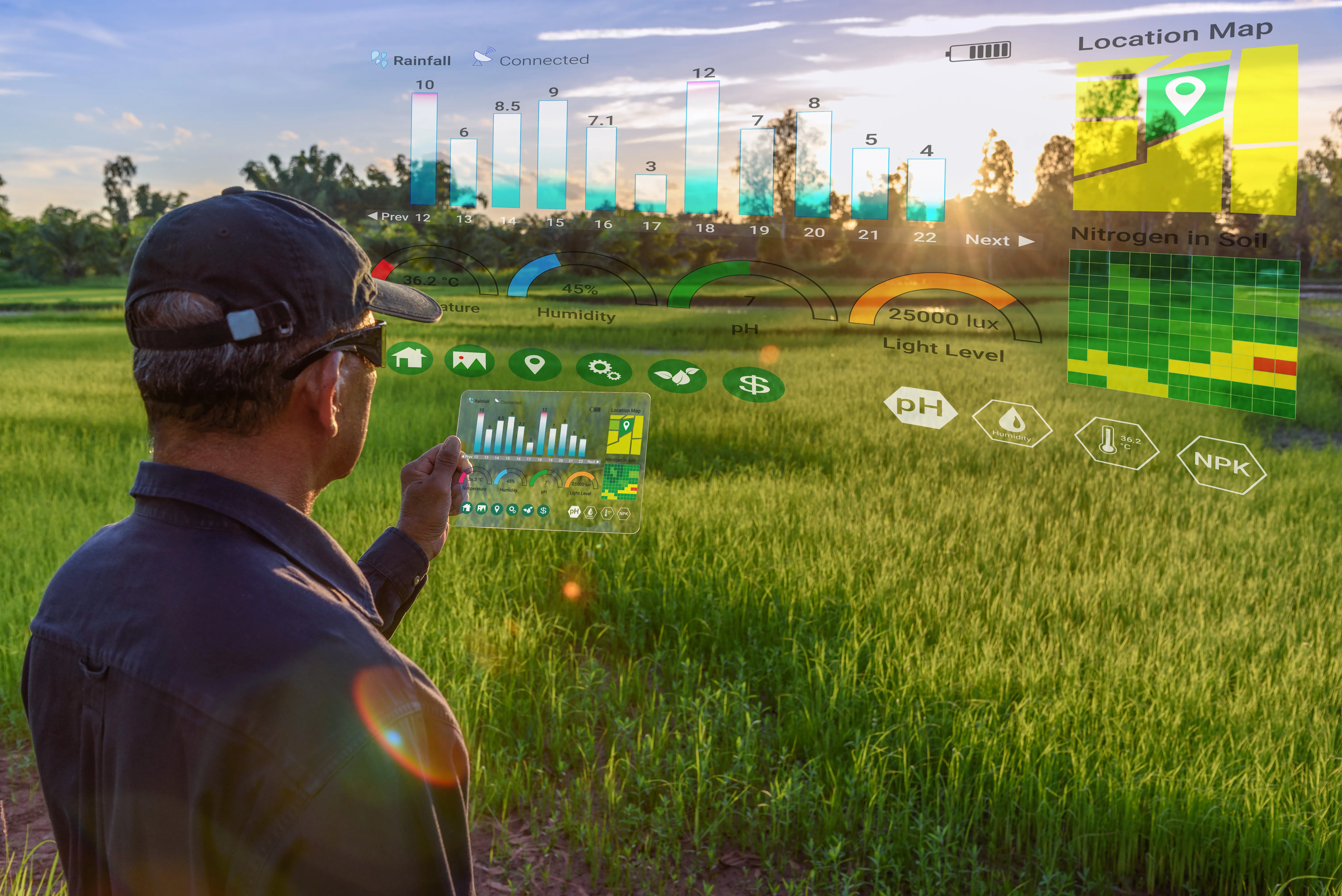
Next, the Kentucky Agricultural Development Board recently approved more than two million dollars in funding for agricultural diversification and rural development projects.
Brandon Reed, executive director with the Kentucky Office of Agricultural Policy, says increasingly the focus has been on investing money into meat processing facilities throughout the state, especially after the pandemic years when many farmers faced hurdles traveling long distances to find processors.
Reid says the state hopes to ease the burden on producers.
Last month, the Kentucky Community and Technical College system partnered with us to approve a $63,200 in state funds to develop and implement a comprehensive certification program for meat processing.
Kentucky State University will receive more than $1 million to fund a program aimed at at helping farmers across the state through mini grants.
This is Nadia Ramligan for Kentucky News Connection.
And a growing number of Washington County residents are raising concerns about wastewater injection wells near Marietta, warning that continued permitting could threaten drinking water sources, serving thousands of folks in Ohio.
She says people who live in the area are seeing impacts firsthand.
We are no longer interested in being a dumping ground for other states' toxic waste.
And if we don't have safe drinking water, we don't have a town.
Local advocates say the issue has taken on new urgency as Ohio continues to accept oil and gas water from other states.
This is public news service.
New Hampshire farmers can expect a portion of a $12 billion aid package announced by the Trump administration.
Egg producers have been hit with higher costs as a result of US trade policies.
The money to fund the so-called bridge payments is coming from the revenue the US has collected from tariffs on other countries.
Ben Lilliston with the nonprofit Institute for Agriculture trade policy, says the aid aims to ease an immediate cash flow problem for farmers receiving less for their crops, but does nothing to address the higher costs of equipment they use to process them.
"And many of those costs are associated with these tariffs.
So higher prices for machinery, for buildings, for crop inputs across the board."
At least $1 billion of the $12 billion in aid will go to specialty crops, which will help New Hampshire apple producers.
The Trump administration says it imposed tariffs to level the economic playing field with other countries.
I'm Catherine Carley.
New Hampshire, especially crop farmers likely to start seeing payments from the aid package next February.
And improving people's vision, one part of an effort to reduce poverty globally.
Researchers in North Carolina are among the contributors to the campaign to help people see better.
Nearly a billion people around the world need glasses but can't afford them.
And 90 percent of vision loss occurs in low and middle income countries.
Good Vision is one organization helping fill this gap.
It has vision care infrastructure in 11 countries across Africa, Asia, and South America.
Started in 2012, the organization delivered its one millionth pair of glasses this fall.
Blair Wong is board president of Good Vision USA and International.
In these populations, people have tremendous strife, poverty, and life challenges, and it's life-changing if they are given a chance to have great acuity simple therapy options.
At the University of North Carolina, researchers are doing their part.
For instance, an ocular epidemiologist with the UNC Institute for Global Health and Infectious Disease developed a treatment for trachoma.
I'm Eric Tegethoff reporting.
Finally, groups that work for environmental justice are concerned that a delay in EPA methane emission rules will put thousands of lives in Utah and across the country at risk.
The agency's 2024 methane rule would have and other air pollution from the oil and gas industry.
The EPA's move to delay it for 18 months has drawn strong criticism from groups, including WE ACT for Environmental Justice, which says local communities bear the health and economic burdens of this pollution.
Yosef Role with WE ACT says the delay could be deadly.
This delay is unfortunately more likely than not going to result in unnecessary deaths and increased hospital visits, or continuation of high rates of ER visits, public health burdens being placed on communities near it.
Mark Richardson reporting.
This is Mike Clifford from Public News Service.
We are a member and listener supported.
You can find our trust indicators at publicnewsservice.org.