Daily Audio Newscast Afternoon Update - June 3, 2026

© INDU BACHKHETI - iStock-1336427297
News from around the nation.
Hilton and Becerra take early lead in the California Governor’s race; Medicaid work requirement update stokes new coverage fears; Colorado kids can get $120 each for summer groceries; and more Americans are going abroad for eldercare.
Transcript
A Public News Service Wednesday afternoon update.
I'm Mike Clifford.
With 58% of the votes counted in California, former Fox News host Republican Steve Hilton and Democrat Xavier Becerra, a former Biden cabinet secretary, took the early lead in a crowded field of more than 60 candidates vying to replace the term limited Gavin Newsom as governor.
As vote counting continues, Hilton ahead with 27.8% of the vote, and Becerra had 25.4%, according to Reuters.
Billionaire Tom Steyer, a Democrat, trailed with 19.6%.
Many folks in California vote by mail, so it could be many days before we know the final result.
Meantime, Minnesota now has new federal guidelines on pending work requirement changes for Medicaid.
The strict rules pushed by Republicans formally take effect January 1st.
Recipients, without an exception, must work 80 hours a month through employment, education, or community service.
Protect Our Cares' Maddie Toomey says the update doesn't offer reassurance that vulnerable populations won't fall through the cracks.
She argues federal changes over the past year related to health care coverage have been devastating enough.
Nearly 3 million Americans have lost their Medicaid coverage, and that includes over 10,000 people in Minnesota.
So this is even before these Medicaid work requirements are taking effect, and the bulk of the coverage losses are going to get worse.
Her group says an additional 110,000 Minnesotans could lose coverage.
And as school cafeterias close their doors for the summer, children's advocates are reminding parents they could qualify for a program that helps ensure kids continue to have access to nutritious food.
The Summer EBT program provides money to help families stretch their food budgets on a card, which can be used at most grocery stores and farmers markets.
Graciela Guillen with Hunger Free Colorado says most eligible kids will be automatically enrolled, but if not, there's still time to apply.
Colorado's Summer EBT program gives families a one-time $120 grocery benefit for each eligible child over the summer for when kids aren't getting the meals that they would usually eat at school.
Families earning up to 185% of the federal poverty level, which is just over $59,000 a year for a family of four, are likely to qualify for the program.
I'm Eric Galatas.
And in the face of rising care costs and closing nursing homes, many people from the U.S. are moving to Mexico to get the residential care they need in their final years of life.
Writer Ana de la Cruz researched this trend after her own father departed Washington for care in Mexico.
She warns with massive Medicaid cuts underway, the situation will only worsen as families struggle to pay for care.
Nursing homes are actually already closing in anticipation of all these cuts or directly because of them, and particularly in high-need areas.
So the supply is lessening as the demographics are increasing the demand and the need.
She says at least 60,000 people from the U.S. collecting Social Security are living in Mexico.
This is Public News Service.
About 700,000 Indiana adults have been diagnosed with diabetes.
An estimated 45,000 new adult diagnoses occur each year.
That's according to the American Diabetes Association.
A federal bill under consideration would make insulin, the medication needed to treat type 1 diabetes, more affordable.
The Improving Needed Safeguards for Users of Life-Saving Insulin Now, or Insulin Act, would cap monthly costs at $35 for privately insured patients.
American Diabetes Association National Advocacy former board member Kathy Siegel says it is important that Congress acts quickly, adding many people are deciding between buying insulin and paying essential bills.
If we don't have this, a lot of people are having to choose between having groceries, paying rent or living.
And when I mean living, I mean surviving or dying.
Insulin is like air.
If you don't have it, you die.
I'm Terry Dee reporting.
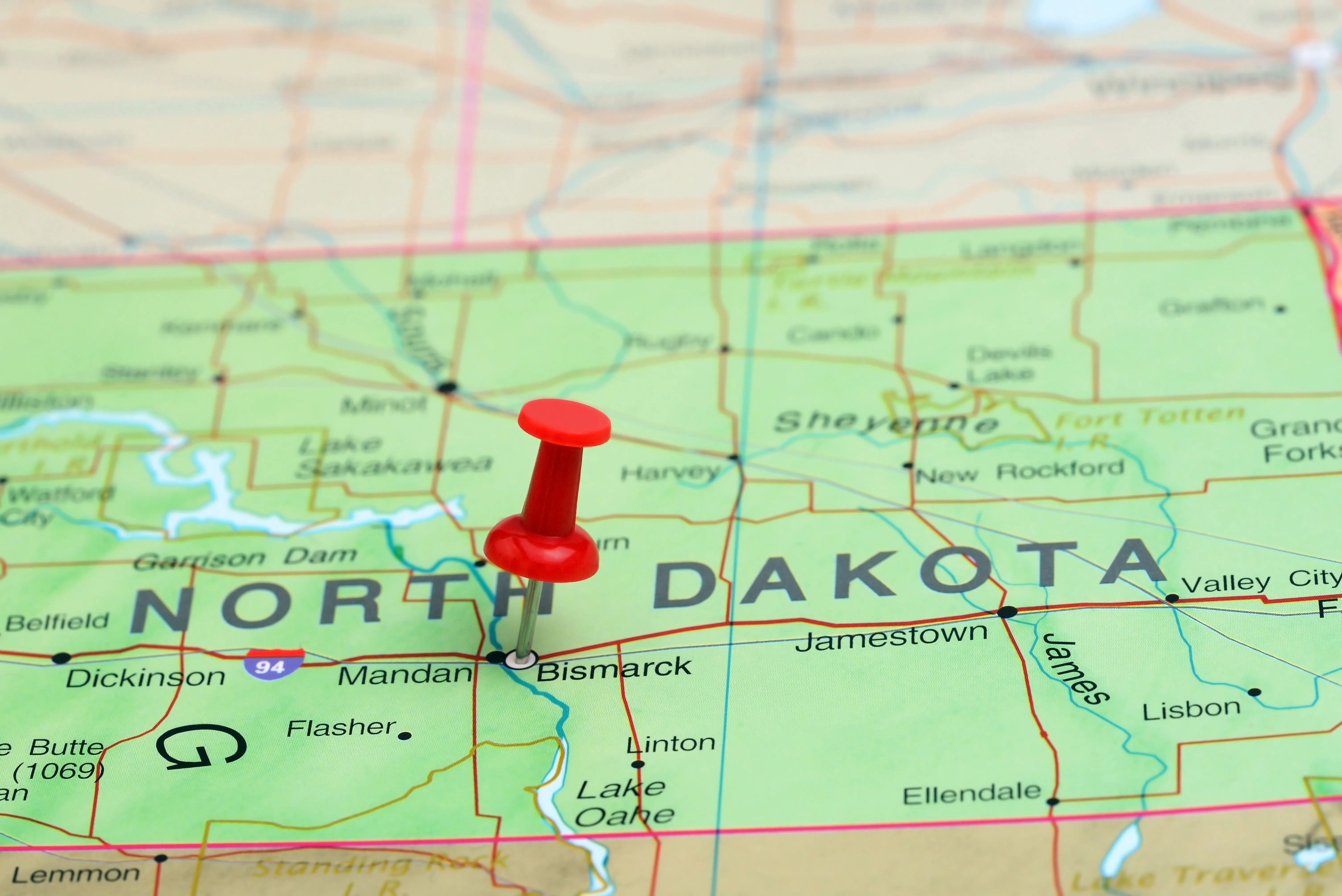
And for North Dakotans planning to vote absentee in next Tuesday's primary election, administrators say they should move quickly to meet recently updated deadlines.
Over the past year, North Dakota took action to mirror an executive order signed by President Donald Trump that says absentee ballots sent by mail can't be counted after Election Day, even if they're postmarked before then.
Mercer County Auditor Carmen Reed says that means a grace period across the state is no longer in play.
The postmark doesn't matter.
Every ballot that's going to be counted has to be to us election day at 7 p.m.
Absentee ballots won't be accepted at polling sites on election day, but they can be dropped off at county auditor's offices or designated drop boxes that day or beforehand if people are worried about the mail-in option window closing.
The Trump executive order is mired in a legal challenge.
The League of Women Voters warns the new deadline will negatively affect disenfranchised voters, including Native Americans.
I'm Mike Mowen.
Finally, from our jury, paying for college could soon get tougher for many Indiana families.
New federal student loan rules start on July 1.
Parent PLUS loans will now cap at $20,000 a year and $65,000 total.
Some graduate students will also lose access to certain federal loans.
Bill Wozniak with Indiana Nonprofit Invested says Hoosier families are just now realizing how expensive borrowing has become.
This is actually the second highest plus loan rate ever.
Two years ago was actually just a smidge higher.
But this is close to being tied for the most expensive plus loan ever.
Supporters say the changes could help prevent families from taking on too much debt.
Critics worry some families may not have enough help to cover rising college costs.
This is Mike Clifford for Public News Service, member and listener supported.
Find our trust indicators at publicnewsservice.org.
Thank you.