Daily Audio Newscast - June 2, 2026

© AlexLMX - iStock-823000260
Six minutes of news from around the nation.
There are signals that the Trump administration will ditch the $1.8 billion 'anti-weaponization' fund; Arizona confronts a rise in uninsured children; Energy burden dashboard shows low-income Alabama families pay far more; Indiana's Black Caucus town halls push voter engagement.
TRANSCRIPT
The Public News Service daily newscast, June 2, 2026.
I'm Mike Clifford.
According to two confidential sources, the Trump administration has signaled to Republican congressional leaders it plans to drop the $1.8 billion anti-weaponization fund.
CNN notes that President Trump is not committed publicly to terminating the controversial pot of money, and a third source familiar with the discussions indicated the administration was merely pausing efforts to pursue the fund and not dropping those plans altogether.
The plan to back off the fund for now came after Trump held a lengthy meeting with House Speaker Mike Johnson, where the fund was among the topics that were discussed.
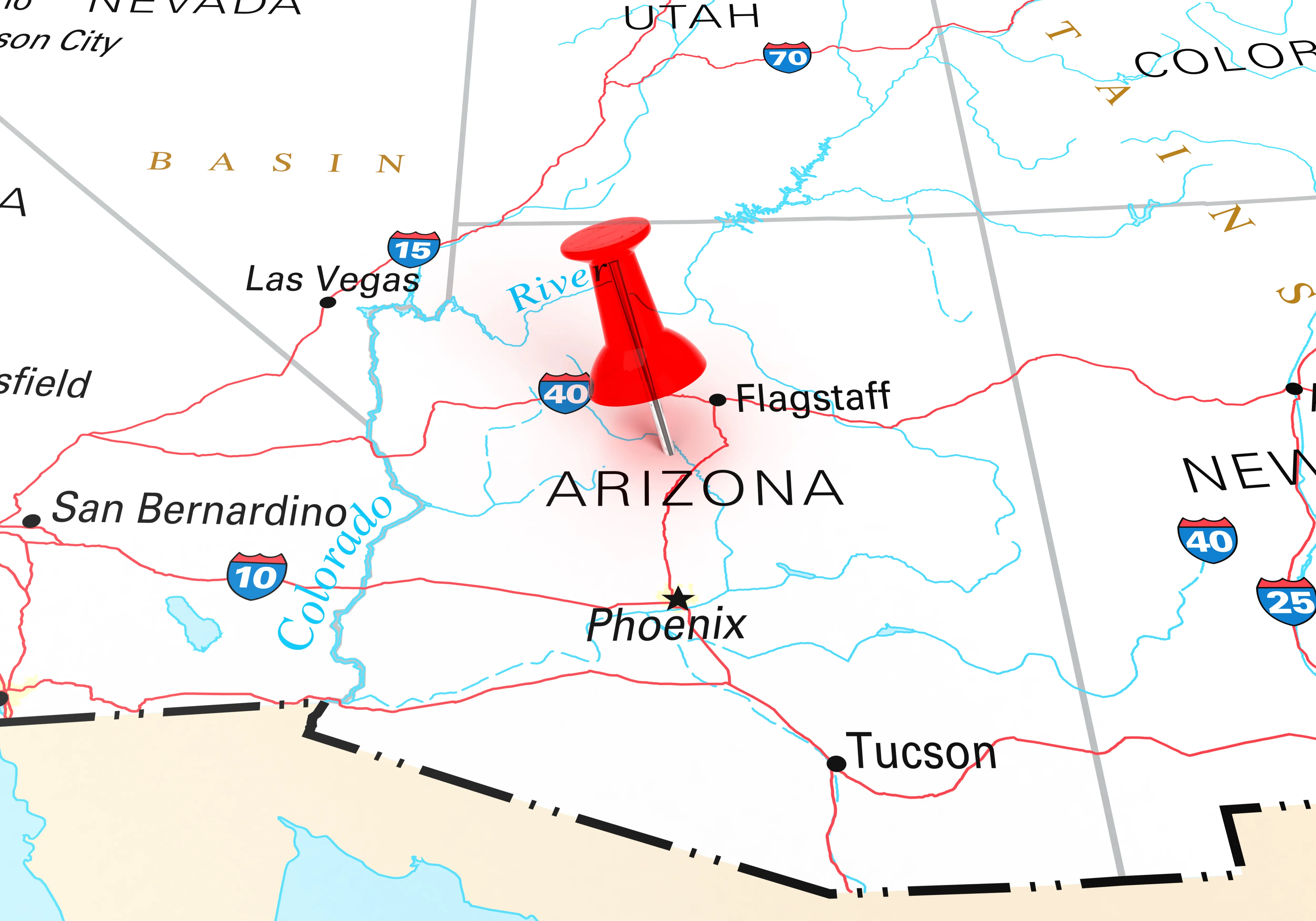
Meantime, a new report from the Georgetown University Center for Children and Families shows a sharp increase in the number of uninsured children under the age of six in Arizona.
Nationally, the rate jumped to more than 5 percent.
But in Arizona, 9 percent of kids in that age group are uninsured.
Arizona Children's Action Alliance Health Policy Director Jennifer J. Byrne says children without insurance lack access to critical emergency care and preventive services. and that can mean major medical issues never get identified.
That doctor's appointment to make sure their eyes are fine, their hearing's fine, to see if there's any developmental delays.
They're not seeing the doctor because they don't have coverage, then some of that stuff may be lost.
The Georgetown report uses data gathered from 2022 to 2024.
It shows that an additional 220,000 babies, toddlers, and preschoolers were uninsured in 2024, a 23% increase from two years prior.
I'm Mark Moran.
And there's a new data tool from the Sierra Club.
It breaks down the energy burden, showing how much of a household's income goes to paying utility bills in Alabama and in other states.
The dashboard shows that while the average U.S. household spends about 2.5% of its income on energy, low-income families spent nearly 13%, more than five times as much.
Joanna Jero Torres is an energy campaigns analyst with the Sierra Club.
She says the disparity between households is striking.
Low-income households really are suffering the most when it comes to energy costs.
And there isn't stuff that's actually happening out there or things that are available to them to help offset these costs or help alleviate this burden.
The tool draws on data from the U.S. Department of Energy and allows users to filter by state county congressional district or census tract.
It also maps energy burden against health data, including asthma rates and historical redlining patterns.
In Alabama, low-income households face some of the highest energy burdens in the nation, particularly in rural areas and communities of color.
I'm Tramiel Gomes.
This is Public News Service.
If West Virginia wants a thriving economy, it needs to rethink how it attracts residents.
That's the argument from policy experts out with recommendations they say would reverse troubling population trends.
The West Virginia Center on Budget and Policy says at nearly one and a half percent, the state has seen the largest population decline in the U.S. over the past five years.
The center's Sean O'Leary says elected officials are trying too hard to lure more people here with tax cuts.
He says it's not doing enough, and that aggressively fixing other problems might produce better results.
We hear all the time about what a problem child care is for people working.
If West Virginia were to have some sort of universal child care program, that would be a big improvement.
This spring, the governor's office touted a new $230 million tax cut law it says will ensure West Virginia remains the most competitive state in the region.
I'm Mike Moen.
Next to Indiana, where the Black Legislative Caucus is using its 2026 Interim Town Hall Series to urge Hoosiers to stay engaged in the process.
Our Joe Lurie reports lawmakers are traveling the state to discuss legislation they say will affect Black communities and other underserved voters.
Democratic State Representative Earl Harris of East Chicago says election years require more than just showing up at the ballot box.
You can't hide during election year.
You have to get out at community events, debates, show up, talk to the reps running for office or they're in office, talk to the senators, let them know the importance of protecting voter rights and not destroying minority and women voices.
Lawmakers are discussing voting rights, education, health care and public safety.
Republicans say new election laws protect the integrity of the vote and strengthen public confidence.
Critics argue some of those policies could make voting more difficult in minority communities.
This story was produced with original reporting from Kendall Pearson for WISH-TV.
Finally, Michigan lawmakers are reviving a voting rights package first introduced last session.
The proposed Michigan Voting Rights Act would enact several federal voting protections, including safeguards against racial discrimination, expanded language assistance, disability accommodations, and a new nonpartisan center for election research and training.
Speaking during a recent committee hearing, State Senator Erica Guise stressed why she believes this legislation is needed, especially now.
With the clear and present danger of voting rights being under increasing attacks across this country, Michigan has an opportunity and a responsibility to lead.
Both House and Senate versions of the bill are currently being considered.
Some local clerks say portions of the legislation still need clarification, including the sections that deal with funding and election equipment provisions.
Crystal Blair reporting.
This is Mike Clifford for Public News Service.
Member and listener supported.
Finder Trust Indicators at PublicNewsService.org