Daily Audio Newscast - June 3, 2026

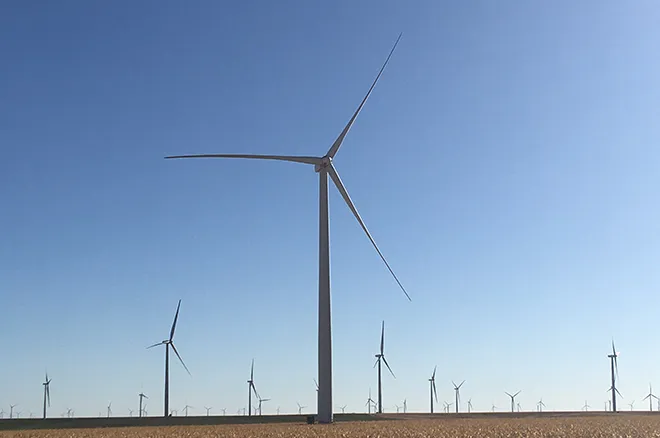
© AlexLMX - iStock-823000260
Six minutes of news from around the nation.
Acting AG Blanche declares Trump $1.8b fund dead; Maryland sheriffs sue state over law limiting ICE cooperation; Maine households cope with the nation's highest energy burden; It's crunch time for North Dakota's June primary.
TRANSCRIPT
The public news service daily newscast for June the 3rd, 2026. I’m Mike Clifford.
The confirmation comes from the acting attorney general, Todd Blanche, that the Trump administration has abandoned plans to create a $1.8 billion anti-weaponization fund.
Blanche said we're not moving forward with the fund, period, adding this will remain true even after a federal court order to block the fund expires.
The Guardian notes that Blanche added the DOJ would continue granting immunity to Trump and his family members and his businesses from IRS investigations.
Nothing has changed with that, he said.
And a group of Maryland sheriffs is suing the state over the Community Trust Act, which limits when local law enforcement agencies can cooperate with ICE.
At the same time, a new national proposal would rethink how citizenship violations are handled entirely.
These reform demands follow public scrutiny of the Trump administration's aggressive push to boost deportations.
The American Immigration Council says its new plan would restore credibility and humanity to ICE enforcement.
The council's Dara Lind says they don't want instances where a person without legal status, who's been in the U.S. for a long time and has avoided trouble, has their life upended.
All of us have seen this.
Someone who has roots in the community, who everyone involved in the process agrees should be able to stay, but their hands are tied because there's only one penalty and that's deportation.
She's referring to people who contribute to their communities as workers and in some cases have family members who are citizens.
I'm Simone Perez.
And as electricity rates continue to climb in Maine, a new online data tool reveals the state's low-income households bear the heaviest energy burden in the nation.
The Sierra Club compiled Department of Energy data that show a family of four earning less than $50,000 a year is spending roughly 20 percent of household income on electricity and heating fuel.
Climate policy director Patrick Dropp says poor housing stock and financial barriers to clean energy technologies only contribute to the cost.
Clean energy is obviously the fastest and cheapest form of energy.
Bringing it on grid as fast as possible would be one of the biggest things you could do to lower electricity prices for people.
Residential electricity rates in Maine are up nearly 80 percent since 2015 due to spikes in natural gas prices, and the war in Iran continues to impact prices of fuel oil today.
Data show Black and Native Americans also bear disproportionately high energy burdens.
I'm Katherine Carley.
The Trump administration argues that solar and wind energy projects are part of what they refer to as a green news scam.
An executive order prioritizes domestic fossil fuel production, while energy efficiency initiatives are viewed as government overreach.
Advocates say low-income households are suffering from energy costs and there's not much help out there for them.
This is Public News Service.
About 700,000 Indiana adults have been diagnosed with diabetes.
An estimated 45,000 new adult diagnoses occur each year.
That's according the American Diabetes Association.
A federal bill under consideration would make insulin, the medication needed to treat type 1 diabetes, more affordable.
The improving needed safeguards for users of Life-Saving Insulin Now, or Insulin Act, would cap monthly costs at $35 for privately insured patients.
American Diabetes Association National Advocacy former board member Kathy Siegel says it is important that Congress acts quickly, adding many people are deciding between buying insulin and paying essential bills.
If we don't have this, a lot of people are having to choose between having groceries, paying rent, or living.
And when I mean living, I mean surviving or dying.
Insulin is like air.
If you don't have it, you die.
I'm Terry Dee reporting.
And for North Dakotans planning to vote absentee in next Tuesday's primary election, administrators say they should move quickly to meet recently updated deadlines.
Over the past year, North Dakota took action to mirror an executive order signed by President Donald Trump that says absentee ballots sent by mail can't be counted after Election Day, even if they're postmarked before then.
Mercer County Auditor Carmen Reed says that means a grace period across the state is no longer in play.
The postmark doesn't matter.
Every ballot that's going to be counted has to be to us Election Day at 7 p.m.
Absentee ballots won't be accepted at polling sites on Election Day, but they can be dropped off at county auditor's offices or designated drop boxes that day or beforehand if people are worried about the mail-in option window closing.
The Trump executive order is mired in a legal challenge.
The League of Women Voters warns the new deadline will negatively affect disenfranchised voters, including Native Americans.
I'm Mike Moen.
Finally, from our Joe Ulory, paying for college could soon get tougher for many Indiana families.
New federal student loan rules start on July 1.
Parent PLUS loans will now cap at $20,000 a year and $65,000 total.
Some graduate students will also lose access to certain federal loans.
Bill Wozniak with the Indiana nonprofit Invested says Hoosier families are just now realizing how expensive borrowing has become.
This is actually the second highest plus loan rate ever.
Two years ago was actually just a smidge higher.
But this is close to being tied for the most expensive plus loan ever.
Supporters say the changes could help prevent families from taking on too much debt.
Critics worry some families may not have enough help to cover rising college costs.
This is Mike Clifford for Public News Service.
Member and listener supported.
Find your trust indicators at publicnewsservice.org.