Daily Audio Newscast - October 21, 2026

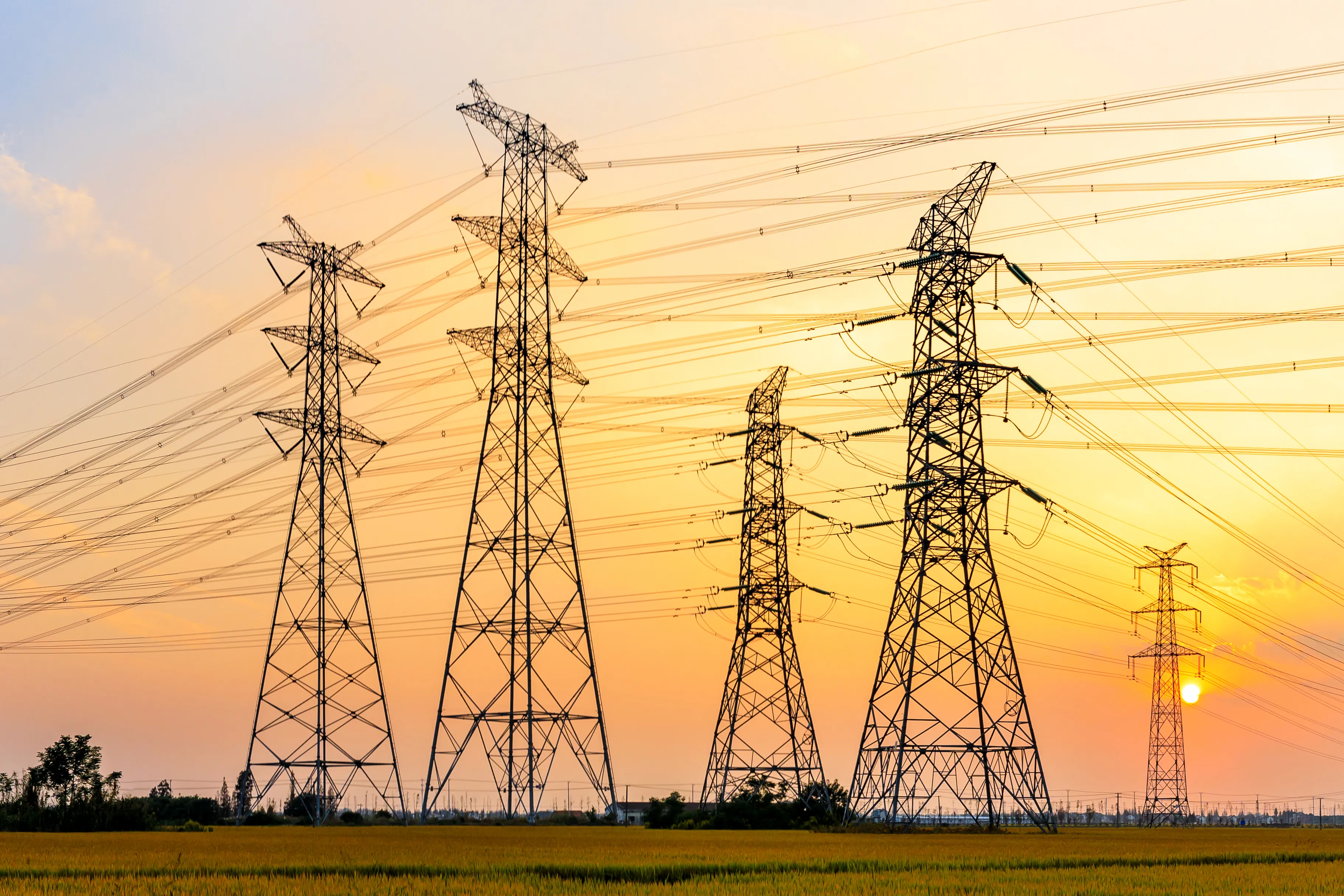
© AlexLMX - iStock-823000260
Six minutes of news from around the nation.
Over two dozen charged in a federal sweep of alleged noncitizen voters, ICE raids could cost Maine billions in lost economic output, and the Social Security increase raises questions about affordability.
TRANSCRIPT
The Public News Service Daily Newscast for Wednesday, October 21st, 2026.
I'm Joe Ulori.
Ukraine says it is again receiving advanced warning of incoming Russian missile attacks after the system failed several times last week.
President Vladimir Zelensky announced the change after speaking with U.S.
Secretary of State Marco Rubio.
Zelensky also met U.S. Envoy Steve Witkoff in Oslo as Kiev pushes Washington over delayed weapons and restrictions on some satellite and intelligence support.
Rubio says any delays in U.S.-built missile interceptors were not politically motivated.
Early voting starts today in West Virginia.
State data show the number of registered voters in the Mountain State continues to rise.
Nearly 18,000 people have registered to vote since the May primary.
Mindy Holcomb with West Virginia Citizen Action Group says based on an ongoing survey her organization is conducting, residents are concerned about data centers driving high electricity costs and decreasing quality of life.
More people are growing anxious about the overall cost of living.
They're really feeling the pinch right now.
They want leaders who are going to listen to them.
The Here America survey aims to collect responses from 6,000 West Virginians between now and the end of the year.
Find more information about the survey at wvcag.org slash survey.
This is Nadia Ramlagan for West Virginia News Service.
Pennsylvania's governor's race could have a major impact on household electric bills.
A new analysis finds expanding clean energy and making data centers pay their own power costs could save the average household more than $1,800.
Jonah Faberman with Greenline Insight says Pennsylvania's expected data center boom makes protections for utility customers especially important.
There's legislation to protect ratepayers from these data centers.
So in those things in combination with each other, those are very broad protections for households.
We're talking thousands and thousands of dollars that households would save.
Governor Josh Shapiro has ordered the state to pursue protections against shifting data center costs onto other utility customers.
House Bill 1834 would put broader safeguards into law and require large data centers. to help fund energy assistance.
Republican candidate Stacey Goretti is calling for a temporary pause on new data center development.
More than $900 million in federal assistance is headed to Nebraska farmers, ranchers, and landowners.
The USDA says more than $800 million comes from farm safety net programs, with another $85 million for conservation.
Farm Service Agency State Executive Director Hillary Miracle says the money comes at a critical time.
It'll help producers cover these operating costs for this year and prepare for the 2027 growing season.
But it just comes with such critical time of the year.
This is Public News Service.
Conservationists are celebrating the permanent protection secured for more than 27,000 acres of forest in western Maine.
Our Catherine Carley reports.
The land serves as an important corridor for wildlife to northern forests and will continue to provide year-round recreational access to a connected trail network.
Tom Duffes, vice president of the Conservation Fund, says various land trusts and multiple public and private funders worked for years to ensure the area remains free of development.
Here in the state of Maine, our tradition and our culture is that we help our neighbor and we work with each other to get bigger things done.
And that's exactly what has happened here.
Year-round outdoor recreation has grown increasingly important to Maine's economy, contributing nearly $4 billion in 2024 while supporting more than 32,000 jobs.
President Trump and Vice President J.D. Vance have launched a $25 million federal fraud whistleblower program.
Tipsters whose information leads to a conviction could receive 1% of the recovered money, Trump says he'll decide who qualifies for a payout.
California Children's Services helps more than 185,000 children and young adults with serious medical conditions. a new law will keep families involved in shaping the program for another decade.
Governor Gavin Newsom signed Assembly Bill 2486, extending the program's advisory group for 10 years.
Nancy Netherland with Family Voices says that kind of access helped when her daughter was denied a life-saving drug costing more than $30,000 a month.
Because of things like this advisory, they're really nice pathways for us to figure out how to solve problems.
So we don't have to file grievances.
You know, we can share what works well.
The group advises the State Department of Health Care Services.
The new law also expands membership to include bereaved parents, families with children aging out of the program, and people outside managed care plans.
A new report examines how scammers steal billions from consumers in Connecticut and nationwide.
The Better Business Bureau's blueprint of a scam report finds half of Americans encounter scams every day, either via a text or phone call.
While there are certain red flags around scams in the past, artificial intelligence has obscured many of the obvious signs.
Kristen Johnson with the Better Business Bureau serving Connecticut says certain regulatory issues are also driving up scam activity.
In 2015, U.S. Telecom, which is the Telecommunications Industry Association, created what's called the Industry Traceback Group.
And members agree to certain guidelines which should allow the organization to cut down on unlawful traffic.
But the problem is it's voluntary.
The report suggests removing the $50,000 loss requirement on private lawsuits so more people are incentivized to pursue remedies.
It also recommends broadening know-your-customer rules to monitor who's using services so there's a record for future investigations.
I'm Edwin J. Viera.
This is Joe Ulori for Public News Service, member and listener supported.
Find our trust indicators at publicnewsservice.org.