Daily Audio Newscast - September 28, 2026

© AlexLMX - iStock-823000260
Six minutes of news from around the nation.
A multi-day Nor’easter this weekend hit tens of millions along the East Coast; Alaska Natives work to restore voting power ahead of midterms; and despite new rules, New Mexico's orphaned oil and gas wells are multiplying.
TRANSCRIPT
The public news service daily newscast september the 28th 2026.
A rare early season multi-date nor'easter delivered coastal flooding and very heavy rainfall for tens of millions along the east coast.
The AP notes extreme amounts of rain more than four inches since Friday in some spots in new jersey combined with the surging ocean led to flooding amounts not seen for close to a decade in places that are used to dealing with high water.
Meantime, leaders in the Alaska Native community are working to bring back the power of the Indigenous vote leading up to the state's November election.
One in four voting age members is an Alaskan Native.
And as recently as 1982, Indigenous people wielded substantial power at the polls.
Some villages even had voter turnout as high as 80 percent.
That number has fallen drastically, now hovering at closer to 30 percent.
Michelle Spark of Get Out the Native Vote for Alaska Federation of Natives says Indigenous leaders are encouraging Native villagers to carry on the tradition of democracy established by their elders.
How difficult is it to convince a dozen of your friends and neighbors in a small community to invest in making informed decisions and testimony and willingness to serve?
And that's what we're asking our people to do is reflect on our history.
Spark says Alaska's indigenous population prefers to cast its vote in person rather than by mail, which can often be difficult due to geography, health issues, or a lack of polling places.
But even if voting by mail, postal service can often be interrupted by severe weather.
There's also limited access to Alaskan communities that can only be reached by boat or plane.
I'm Mark Moran.
And the number of inactive oil and gas wells in New Mexico is rising along with the cleanup cost.
A new report says the cumulative impact is enormous.
Research by the Institute for Energy Economics and Financial Analysis shows the number of wells that are likely to become orphans is growing faster than the stake and plug and remediate its existing inventory.
Analyst Trey Cowan applauds New Mexico for adopting stricter bonding rules this year to hold operators accountable, but says they skirted responsibility for too long.
It's an insurmountable task, treading water at best, but that's really just on paper.
It's getting worse over time, not better.
And they're the ones that created this problem.
They should be the ones to have to fix it.
I'm Roz Brown.
New Mexico's oil conservation division was tracking about 3,300 inactive wells in mid-August, a number that quadrupled between 2016 and 2025.
And odds are you've seen one by now, ads for President Trump paid for by the U.S. government.
The Washington Post says the latest ad is the third in a series that the White House refers to as public service announcements, but which Democratic members of the Congress and former ethics officials say are political ads and therefore a potential violation of federal law.
This is Public News Service.
Conservation groups are now pushing back against efforts by the Trump administration to rescind protections for undeveloped land from further development.
Our Zamone Perez lets us know they say such efforts threaten crucial habitat and species.
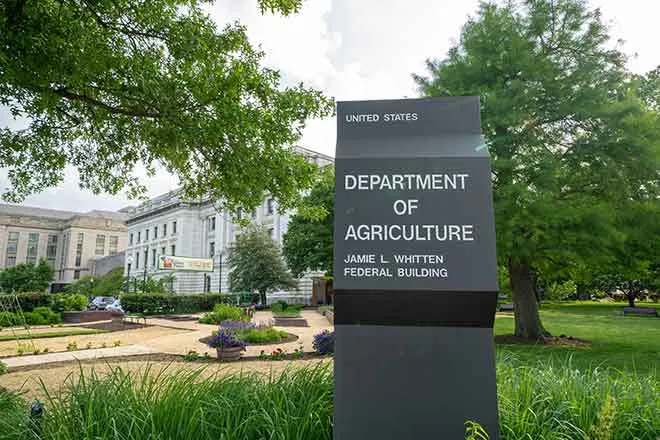
The U.S. Department of Agriculture filed a proposed change that would end the 2001 roadless rule, which protects vast swaths of public lands from further development.
If approved, the change would open up more than 45 million acres of public lands for road construction, logging, mining, and even potential privatization.
Such a move could imperil the Bald Mountain roadless area, one of the largest intact forest tracks in the eastern United States.
Olivia Porter with the National Parks Conservation Association says roadless areas serve many important functions for the health of the environment and communities.
Roadless areas are incredibly important for clean air, for long-range view sheds, for clean water for many communities here in North Carolina.
That's our mountain communities.
They also provide resilience measures during extreme weather.
The Trump administration argues rescinding the rule would give greater flexibility to forest management to local and state governments while promoting domestic timber production.
I'm Zamone Perez.
An analysis by the National Parks Conservation Association finds 30 percent of roadless areas are within 30 miles of a national park.
Next, scientists are calling on the Congress to continue funding for USDA climate hubs, which help New England farmers adapt to increasingly volatile weather.
The Trump administration has vowed to eliminate the network of regional centers, which have operated for more than a decade.
And House Republicans have cut all funding from the most recent Agriculture Appropriations Bill.
Julian Reyes is a former national coordinator for USDA Climate Hubs and now works with the Union of Concerned Scientists.
He says farmers could lose access to research used to better protect crops from rising temperatures and drought.
It's just really sad to see that the administration is choosing to dismantle such a great USDA organization that works as farmers and ranchers and really thinks about their needs and concerns on the ground.
I'm Catherine Carley.
Finally, September is National Atrial Fibrillation Awareness Month.
For one Oregon stroke survivor, Tam Driscoll, the message is simple.
An irregular heartbeat can become a medical emergency.
Driscoll is an American Heart Association Go Red for Women ambassador.
She was diagnosed with atrial fibrillation, or AFib, after episodes in which her heart raced erratically.
That danger became real two years ago when in her mid-30s, she had a stroke.
Driscoll says knowing the signs of a stroke and taking immediate action may have saved her life.
Luckily for me, I knew the signs of a stroke and I got immediate care.
As a result, I was able to walk out of ICU two days later because I identified it and I got the care that I needed.
More information is available at heart.org/AFibFacts.
I'm Mark Richardson.
This is Mike Clifford.
Thank you for starting a week with Public News Service.
Member and listener supported,
Find your trust indicators at publicnewsservice.org.