Destructive AI book scanning practices raise concern for rare books

Printed books are being cut apart and scanned to train large language models that are crucial in developing artificial intelligence.
Court records from a lawsuit against Anthropic revealed millions of books have already been destroyed. The company called it "Project Panama," with a goal to "destructively scan all the books in the world” and purchase them in bulk orders from booksellers online.
Ken Gloss, owner of Brattle Book Shop in Boston, said Gloss has heard about AI companies needing more books but does not want to control what people buy.
"If there's another use, that's more up to them and I would not in any way want to get involved in asking, 'What are you going to do with this?'" Gloss explained.
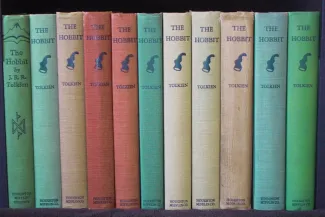
Gloss acknowledged the image of books being cut apart for scanning reminds people of book burning but noted books are recycled or disposed of every day. Like other booksellers, Gloss has had a number of unexpected, anonymous orders for obscure titles but nothing of antique value. Social media is buzzing with stories of rare items being sold to AI firms but they have not been verified.
Tech companies are running out of quality data on the open internet to train their chatbots. Books printed before 2022 are considered valuable because they lack so-called “AI slop.” People who appreciate and collect books are worried first editions or historical manuscripts could be unknowingly used in destructive scanning practices.
Susan Benne, executive director of the Antiquarian Booksellers' Association of America, said books can be very personal and understands the concern special items could be lost.
"Whether that's from a natural disaster, or a fire, or an AI company using the material to scan and then shred and destroy, I mean, that's really, really upsetting for people who value the printed word and stories," Benne emphasized.
Benne added she and other association members have not heard of rare books being bought for the sole purpose of training AI models but have seen stories circulating online.
Benne stressed independent, local bookstores are thriving despite the growth of AI. Sales at brick-and-mortar locations were up nearly 6% compared to 2024.