Improvements in farm data reporting starting in North Dakota

It’s 2026 and farmers are still writing on a paper map to provide their planting information — what crops were planted in which fields and other details.
Typically, someone in a county Farm Service Agency office translates that map into a spreadsheet. The data is key for farmers to be able to participate in federal programs, such as subsidized crop insurance or federal assistance payments that were issued this year.
But the system is changing. Farmers will still submit their maps as usual this year, but the Farm Service Agency is improving how it imports the data. Instead of being keyed in by hand, the map can be computer scanned to generate the spreadsheet, FSA officials said.
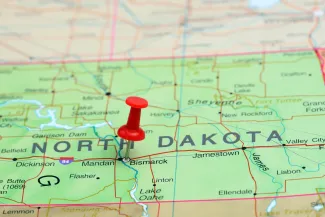
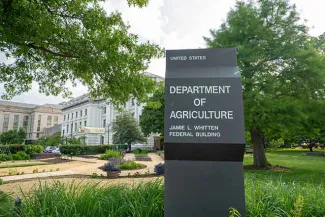
Starting Wednesday, North Dakota and Maryland will be the first two states to use the upgraded crop acreage reporting system being implemented by the Farm Service Agency, part of the U.S. Department of Agriculture.
Jared Hagert, deputy administrator for farm programs for the USDA’s Farm Service Agency,
and Richard Fordyce, undersecretary for farm production and conservation, discussed the modernization effort last week during a listening session in Fargo, hosted by U.S. Senator John Hoeven, R-N.D.
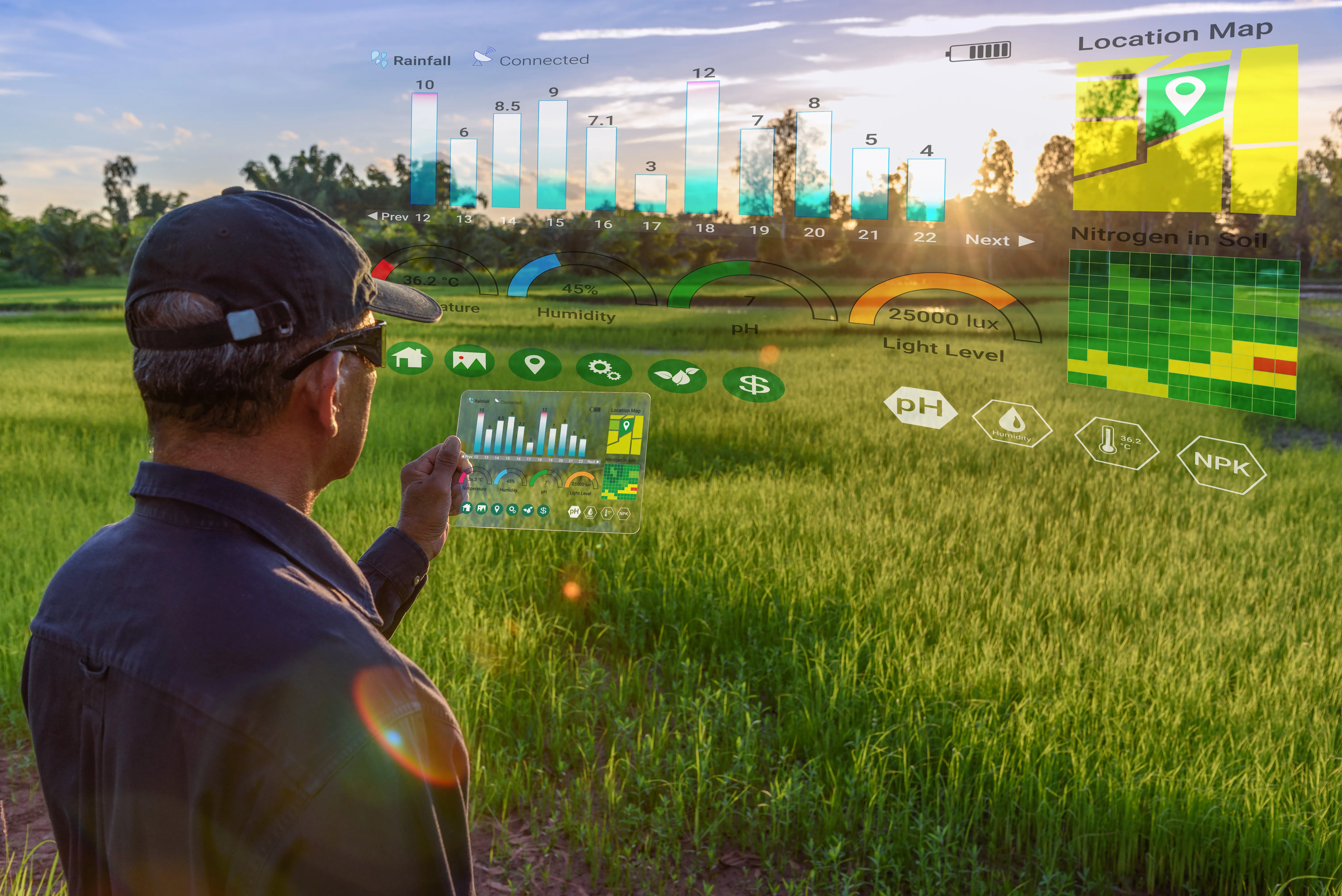
The next phase of the system would be farmers sharing a computerized map, with the ultimate goal of farmers providing real-time data as they plant.
“That final phase of the modernized acreage reporting, we will have the ability to accept precision ag data to populate an acreage report,” Fordyce said. “Imagine that while you’re planting, you’re actually populating an acreage report.”
Hagert, a former state lawmaker, said in an interview that inputting the data from farmers is the No. 1 use of time from FSA staff. He said the upgrades in North Dakota and Maryland could be a 30% time savings for FSA staff.
© iStock - Melissa Kopka
North Dakota’s Grand Forks County, where Hagert lives, was one of 13 counties in the U.S. to test the program starting in May. That pilot project went smoothly, allowing the statewide rollout.
Brad Thykeson, FSA director for North Dakota, called the crop data “the bones of our agency.”
When USDA was authorized to send out $12 billion in farmer bridge assistance payments, the acreage reports were used to calculate payment rates based on how many acres the farmer plants to different crops.
All North Dakota FSA offices got training on the new system Thursday, Thykeson said. FSA calls the system GEAR, for geospatially enhanced acreage reporting.
For farmers wanting to continue to use paper maps, those aren’t going away, Thykeson said.
“Ultimately the goal would be that a computer screen in the tractor cab is going to transport that data to the cloud, and we at FSA can access that data,” Thykeson said.
Listening session
During last week’s listening session, representatives of North Dakota farm groups offered ideas for improvements in federal ag and conservation policies.
Justin Sherlock, president of the North Dakota Soybean Growers Association, expressed disappointment that farmers lost an option to buy extra crop insurance coverage to cover losses when weather conditions keep them from getting a crop in, known as prevented planting.
Sherlock said he heard more from the association’s members on this topic than any others, including lost export markets because of tariffs.
“This has got to get fixed,” Sherlock said of the prevented planting policy.
Hoeven said his office is working on that fix as well as providing more federal assistance for farmers.
Other issues raised included fertilizer storage, revising the H-2A visa program to improve workforce availability and pushing for year-round sales of gasoline with higher levels of ethanol.
Policy and export centers team up
Hoeven last week also announced an initiative to link the North Dakota State University Agricultural Risk Policy Center and the National Rural Export Center, both based in Fargo.
The NDSU center would provide research to help the export center identify export opportunities for farmers and rural businesses.
Hoeven credited the NDSU ag policy center with helping improve farm safety net policies passed by Congress last year.
The National Rural Export Center is supported by eight regional centers across the country.