Inflation sending Wyoming families into greater debt

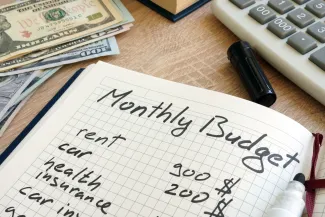
Wyoming households are turning to credit cards to close budget gaps when rent, utilities and other basic necessities go up but interest rates as high as 23% can leave less money for the next month’s bills.
Research from the public policy think tank Urban Institute found 47% of adults in nonwhite communities are facing debt collectors, compared to just 22% of adults in white communities.
Breno Braga, senior fellow at the Urban Institute, said the financial burden limits their ability to get a car or home loan, or even rent an apartment.
"They might see that you have bad debt in your file, and that makes them less likely to accept your application and makes it harder for you to get affordable housing," Braga explained.
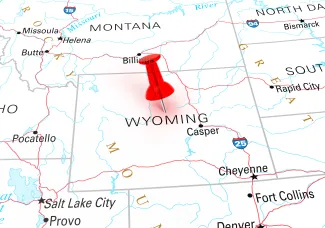
Braga pointed out people are increasingly trapped in a cycle of borrowing to cover everyday expenses, and wage disparities are making it harder for some families. The average household income in white communities in the Cowboy State is $104,000 a year, compared to just $84,000 in communities of color.
Braga stressed people starting their professional careers with entry-level salaries are struggling to make payments and build savings, leaving them with little cushion should they face a medical emergency or other unexpected expense, and the financial pressure is unlikely to ease up anytime soon.
"Even if the broader economy improves in the United States, it might take some time for families to feel financial security at home just because of the amount of debt they have accumulated in the past years," Braga observed.
The report showed people aged 18-24 are less likely to gain access to food and housing assistance programs, forcing many to seek credit to cover their everyday costs, including risky buy-now-pay-later plans. Affordability was a top issue for voters in the midterm elections, and newly elected lawmakers said they will work to lower prices. Still, they can’t erase people’s debt, Braga underscored.