OTC bull elk licenses eliminated in northern Gunnison Basin starting in 2026

Over-the-counter bull elk hunting licenses will no longer be available in the northern Gunnison Basin beginning with the 2026 hunting seasons, following a recent regulation change approved by the Colorado Parks and Wildlife Commission.
The Colorado Parks and Wildlife Commission voted Jan. 14–15 to eliminate OTC bull elk licenses that had previously been available during the second and third rifle seasons in Game Management Units 54, 55 and 551. The decision followed years of discussion over herd management, hunter pressure and license structure in the Gunnison area.
Colorado Parks and Wildlife
The change brings the northern Gunnison Basin in line with GMUs 66 and 67 in the southern Gunnison Basin, which were converted to fully limited elk licenses in 1999. With the new rule, the entire Gunnison Basin will now operate under limited elk licenses across all hunt codes. Hunters seeking licenses in these units will be required to apply through the annual draw process. Applications for the 2026 seasons are due by 8 p.m. April 7.
To ease the transition, CPW staff proposed initially setting bull license numbers for the second and third rifle seasons near the three-year average, or reducing them by no more than 10 percent of the number of OTC licenses previously used across the three GMUs. License numbers will continue to be reviewed and approved annually by the commission at its May meeting.
“Our elk management objectives have not changed and are outlined in our local Herd Management Plans,” said Brandon Diamond, CPW area wildlife manager in Gunnison. He said the move to limited licensing will allow managers greater flexibility to adjust license numbers in response to herd dynamics, winter severity, wildfires and hunter preferences.
Diamond and CPW Southwest Region Senior Wildlife Biologist Jamin Grigg credited local stakeholders with helping shape the decision through years of discussion and public engagement.
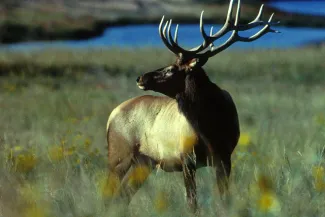
In 2025, the Gunnison Wildlife Association hosted informational meetings with CPW and conducted public surveys on the issue. Survey results showed that 70 percent of Gunnison Basin residents supported converting OTC bull elk licenses to limited licenses, while another 15 percent said their support depended on the details of the proposal.
GWA President Cody Dyce said the organization views the change as a step toward adaptive, science-based wildlife management and emphasized the role of public involvement in shaping the outcome.
The issue of license limitations was also raised during public comment on the state’s 2025–29 Big Game Season Structure. While statewide limits on second and third rifle seasons were not adopted, Gunnison Basin residents consistently advocated for local changes due to herd vulnerability and hunter crowding.
Roger Cesario, who represents the Southwest Region on CPW’s Sportspersons Roundtable, said limiting licenses will allow biologists to better match tag numbers with local conditions such as winter severity, habitat, herd ratios and access.
Discussions about total license limitations in the Gunnison Basin date back decades, resulting in full limitations in the southern basin in 1999 and archery license limitations in parts of the northern basin in 2010. Advocacy increased following the 2020–24 season structure, which featured later season dates and longer breaks that wildlife managers said increased vulnerability for migratory elk.
Diamond acknowledged the change represents a significant adjustment for hunters and managers and said CPW will closely monitor its effects in coming years, including the potential displacement of hunters into neighboring units.