Politics: 2026Talks - February 23, 2026

© Arkadiusz Warguła - iStock-1890683226
Politics and views in the United States
The markets barely move in a period of chaos after the Supreme Court rules against Trump's tariffs. Democrats urge Congress to restrain White House's moves for new import taxes, while consumers and corporations wonder about refunds.
TRANSCRIPT
Welcome to 2026 Talks, where we're following our democracy in historic times.
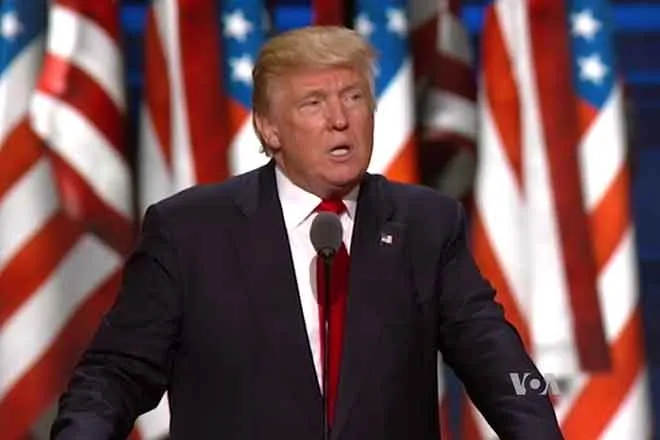
The Supreme Court's ruling on tariffs is deeply disappointing, and I'm ashamed of certain members of the court, absolutely ashamed for not having the courage to do what's right for our country.
President Donald Trump isn't giving up his favorite economic policy despite a 6-3 Supreme Court decision.
The high court ruled Trump had no authority to implement global tariffs under the International Emergency Economic Powers Act, saying only Congress has that power.
Just after the court ruled, Trump signed an executive order imposing a 10 percent global import duty under the 1974 Trade Act.
He then raised it to 15 percent.
Treasury Secretary Scott Bessen says although the court struck down IEPA as a means of collecting tariff revenues, that doesn't stop the president from imposing the import taxes under other laws.
Treasury's estimates show the use of Section 122 authority combined with potentially enhanced Section 232 and Section 301 tariffs will result in virtually unchanged tariff revenue in 2026.
The Trade Act allows a president to implement temporary 150-day tariffs when there's a large balance of payments deficit, as there is now.
However, that authority has never been used, so it has yet to be tested in court.
Treasury says Trump's import levies generated as much as $175 billion, but they don't seem to have slashed imports or the trade deficit.
New federal data says imports actually grew last year, pushing the trade deficit to a record high.
Manufacturers nationwide also cut more than 80,000 jobs since Trump returned to office.
The stock markets moved little after the court decision, suggesting it and the disorder in trade policy have already been broadly discounted by traders.
A new poll from Pew finds most Americans approve of the Supreme Court action, though many Republicans disagree with it.
Congressional Republicans seem to generally continue backing Trump's second-term agenda, but less so on tariffs.
The president is vowing political retribution for any Republican who opposes his trade policies, but Democrats are adding them to the issues they'll highlight in the midterms.
Senate Minority Leader Chuck Schumer says Congress must act to prevent new levies.
Congress has the ultimate authority to undo the tariffs Trump imposed a year ago and the tariffs Trump imposed today.
And we hope our Republican colleagues will join with us in rejecting these tariffs.
In the court's dissenting opinion, Justice Brett Kavanaugh pointed out the court hasn't explained how the federal government should return the tariff funds it collected.
Justice Amy Coney Barrett raised that issue during oral arguments last November, saying the process could be a mess.
In reply, Attorney Neal Katyal, who argued the case on behalf of companies opposing the tariffs, said there are many ways this could be done.
With respect to everyone else, there's a whole specialized body of trade law and it's in 19 U.S.C. 1514, outlines all these administrative procedures.
It's a very complicated thing.
There's got to be an administrative protest.
I'm Edwin J. Viera for Pacifica Network and Public News Service.
Find our trust indicators at publicnewsservice.org.