Politics: 2026Talks - September 18, 2026

© Arkadiusz Warguła - iStock-1890683226
Politics and views in the United States
The Trump Administration denounces the Fed’s rate increase, House lawmakers go on recess until after the Midterms, and the EPA rolls back key rules and guidelines.
Transcript
Welcome to 2026 Talks, where we're following our democracy in historic times.
When the Fed raises rates on top of an energy price shock, it runs the very real risk of an overreaction and driving the economy down into a recession or worse.
White House trade advisor Peter Navarro calls the Federal Reserve's rate increase a monumental mistake.
The quarter point rate hike comes as inflation remains above the central bank's 2% goal and has worsened due to price spikes from the Iran war.
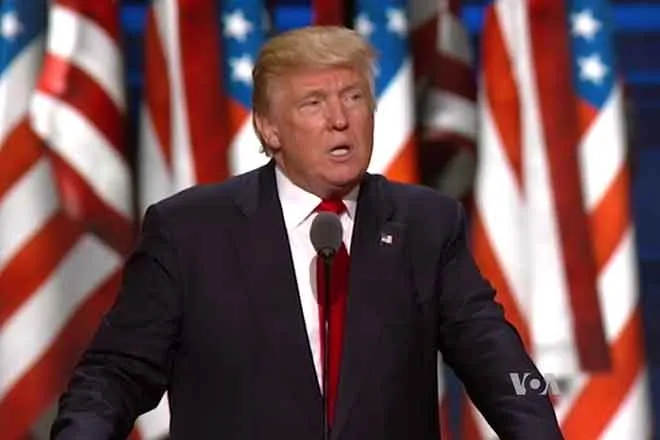
President Donald Trump denounced the Fed's decision and continues calling for rates to be slashed to 1%, most economists say that would increase inflationary pressure.
House Speaker Mike Johnson adjourned the chamber until after the midterm elections.
That will prevent a vote on impeaching Defense Secretary Pete Hegseth, but impeachment sponsor Kentucky Republican Thomas Massey says it's actually a reaction to the introduction of a second Epstein Transparency Act.
That legislation would allow state attorneys general to file charges against people who covered up late billionaire sex trafficker Jeffrey Epstein's crimes if Attorney General Todd Blanche won't.
Massey says the Speaker did the same thing last year to slow the first Epstein Transparency Act, which required the release of DOJ files.
The leadership of this body recessed this body for weeks to avoid swearing in one member that would have been the 218th vote.
The Environmental Protection Agency is rolling back guidance to states on monitoring and limiting the discharge of forever chemicals into wastewater.
Environmentalists important way to mitigate PFAS pollution, and a new UN report finds the chemicals are in the blood of almost everyone on the planet and calls the contamination a global human rights crisis.
Melanie Benish is with the Environmental Working Group.
The United States helped create this crisis.
It has a responsibility to help end it.
The world cannot filter its way out of the forever chemical crisis.
Drinking water treatment helps, but it puts the burden of a problem industry created onto the communities and utilities left to clean it up.
The EPA is also rolling back greenhouse gas limits on power plants, which the agency says will save the industry more than $300 billion.
Adrian Weber with the Sierra Club's Georgia chapter says it's a gift to that state's largest utilities.
This is really more of the Trump administration handing a lifeline to the fossil fuel industry and giving them a license to basically do whatever they want.
EPA Administrator Lee Zeldin describes the repeal as the largest power sector deregulation ever, adding it ends the quote, 15-year war on coal.
Clean air activists point to the tens of thousands of Americans dying from soot, smog, and extreme weather every year.
The climate action campaign is bringing its climate summer too hot to ignore push to Capitol Hill.
The group's Margie Alt says climate change is being drowned out by the latest political distractions, and the nation should refocus the debate on what actually matters.
We need to make sure we are transitioning to a clean energy economy that is better for our air, our economy, our health, and we know exactly how to get more clean energy on the grid.
I'm Edwin J. Viera for Pacifica Network and Public News Service.
Find our trust indicators at publicnewsservice.org.