South Dakota governor expands rural fire response amid drought

South Dakota Republican Governor Larry Rhoden authorized state firefighting resources to support local governments in fire suppression.
Volunteer fire departments, often supported in part by local governments and fundraising, supply the first responders for blazes across most of South Dakota’s land area.
“As a volunteer firefighter, I understand that every second counts when attacking a fire. And as a lifelong rancher, I recognize the difficulty feeding livestock during this ongoing drought,” Rhoden said in a news release Tuesday. “Supplementing local resources with approved state assistance will improve response time, saving lives and property.”
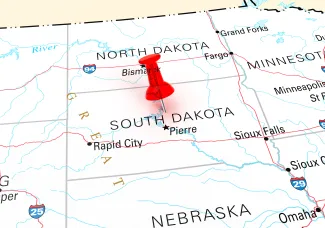
Rhoden’s executive order, signed Tuesday, expands South Dakota Wildland Fire’s resources to areas outside the Black Hills Forest Fire Protection District. That region starts at the Wyoming-South Dakota border and runs east through parts of the Black Hills region, but does not include any area within any nearby city limits.
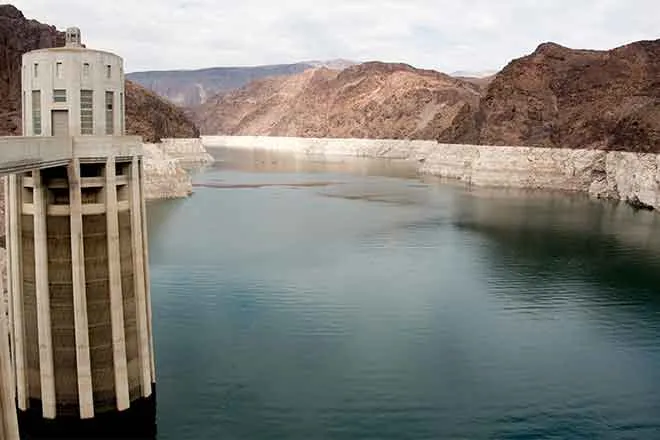
A majority of the state is in abnormally dry to severe drought conditions, according to the U.S. Drought Monitor. Parts of southwestern South Dakota are under extreme drought conditions.
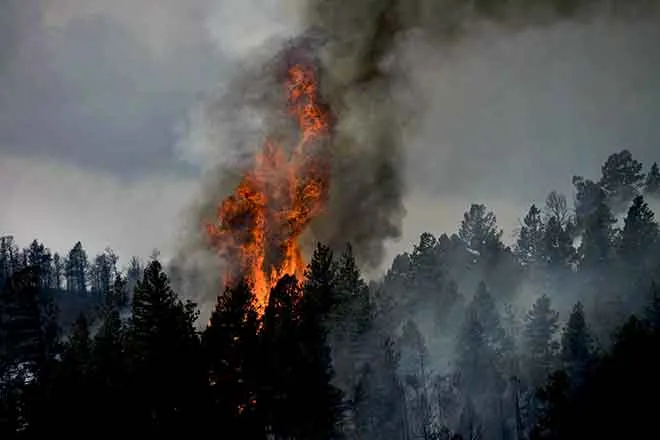
Wildfires in western parts of the state burned through thousands of acres this year — including the Qury Fire in Custer County which burned more than 9,000 acres. The False Bottom Fire near St. Onge burned 242 acres over the weekend. The Bear Butte Fire burned 400 acres the week before in Meade County, where the Sturgis Motorcycle Rally was taking place.
Rhoden also extended a July order that eases restrictions on hay haulers, allowing producers to move hay two hours before sunrise and two hours after sunset. That measure is meant to make sure livestock have enough food in spite of parched grasses and depleted feed supplies.
In May, Rhoden activated the Drought Task Force, a group of state agencies that evaluates potential drought impacts on agriculture, fire management and water supply.