Southern Utah faces rare, ‘particularly dangerous’ wildfire warning

It’s not even July yet and Utah’s wildfire season is already getting extreme.
With dry conditions and high winds fueling the massive Cottonwood Fire in Southern Utah, the National Weather Service upgraded its existing red flag warning for the region on Friday to a “particularly dangerous situation,” an indication of extremely rare, hazardous conditions.
“I hate to be the bearer of bad news, but this is information you need to know, that this is a serious condition coming,” meteorologist Jason Straub said at a Thursday community meeting held in Beaver for those affected by the fire.
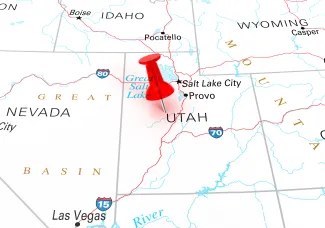
He and the National Weather Service warned of an extreme risk that the fire in southwest Utah’s Tushar Mountains would grow rapidly in gusts expected to reach 45 mph and humidity falling to tinder-dry levels. The National Weather Service in Salt Lake City said it’s the first time the local agency has used the most severe, “extreme” level on its weather risk outlook scale.
The last time it warned of a “particularly dangerous situation” was in 2020, when an intensely forceful windstorm felled trees and cut power across northern Utah.
On Sunday, a cold front will bring shifting winds that could push the fire in new directions, Straub said, but conditions are expected to “stabilize” next week, with smaller gusts and slightly more moisture in the air.
At more than 71,000 acres and zero containment, the Cottonwood Fire is the biggest of 36 large fires actively burning in the United States, the National Interagency Fire Center reported Friday.
Earlier in the week, Governor Spencer Cox warned it also looks to be the state’s most destructive when it comes to property loss. But he said it has been difficult for crews to assess damage because of how fast and hot the forest burned. Its cause hasn’t been determined but is suspected to have been human caused in some way.
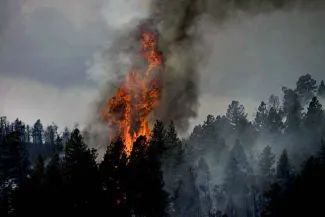
Absent official numbers of how many homes and buildings burned, a picture of the devastation is taking shape in social media posts and news reports, with homeowners describing how their treasured family cabins were reduced to char and rubble.
© Pixabay - David Mark
Among Utah’s most destructive fires in recent memory are the 2018 Dollar Ridge Fire that burned 74 homes and the 2017 Brian Head fire, started by a cabin owner burning debris, that destroyed 13 homes.
State officials say this year’s fires across the state are stretching crews thin.
In announcing a ban on fireworks through July 5, Cox told reporters Thursday, “If on July 3, 4, or 5 we have multiple starts in this valley, we’re screwed, OK? That’s It. Nobody to respond.”
Federal agencies are assisting, but a group advocating for federal wildland firefighters is warning that they were already grappling with burnout and withering morale before the season kicked into high gear.
Grassroots Wildland Firefighters also warned of turnover following federal layoffs and buyouts that’s robbing crews of institutional knowledge needed to make sound decisions and keep them safe.
The organization conducted a survey of 825 current firefighters, most of them employed by the U.S. Forest Service, and reported earlier this month that almost 3 in 4 “have considered leaving the profession in the past 12 months due to unsustainable workloads, inadequate pay and benefits, and dwindling trust in agency leadership.”
The Forest Service has maintained it’s prepared for the season. The agency told Utah News Dispatch in June that it’s brought on more than 11,000 firefighters and has an additional 10,000 employees certified to respond to wildfires and ready to help.
Nationally, nearly 3 million acres have burned this year to date, compared to 1.7 million by the same point last year. In Utah, fires have consumed a total of about 155,000 acres, according to a coalition of state and federal firefighting agencies. That puts the state on an almost sure path to surpass last year’s total of roughly 165,000 acres.