Survey shows farmers split on AI use in the fields, majority skeptical of results

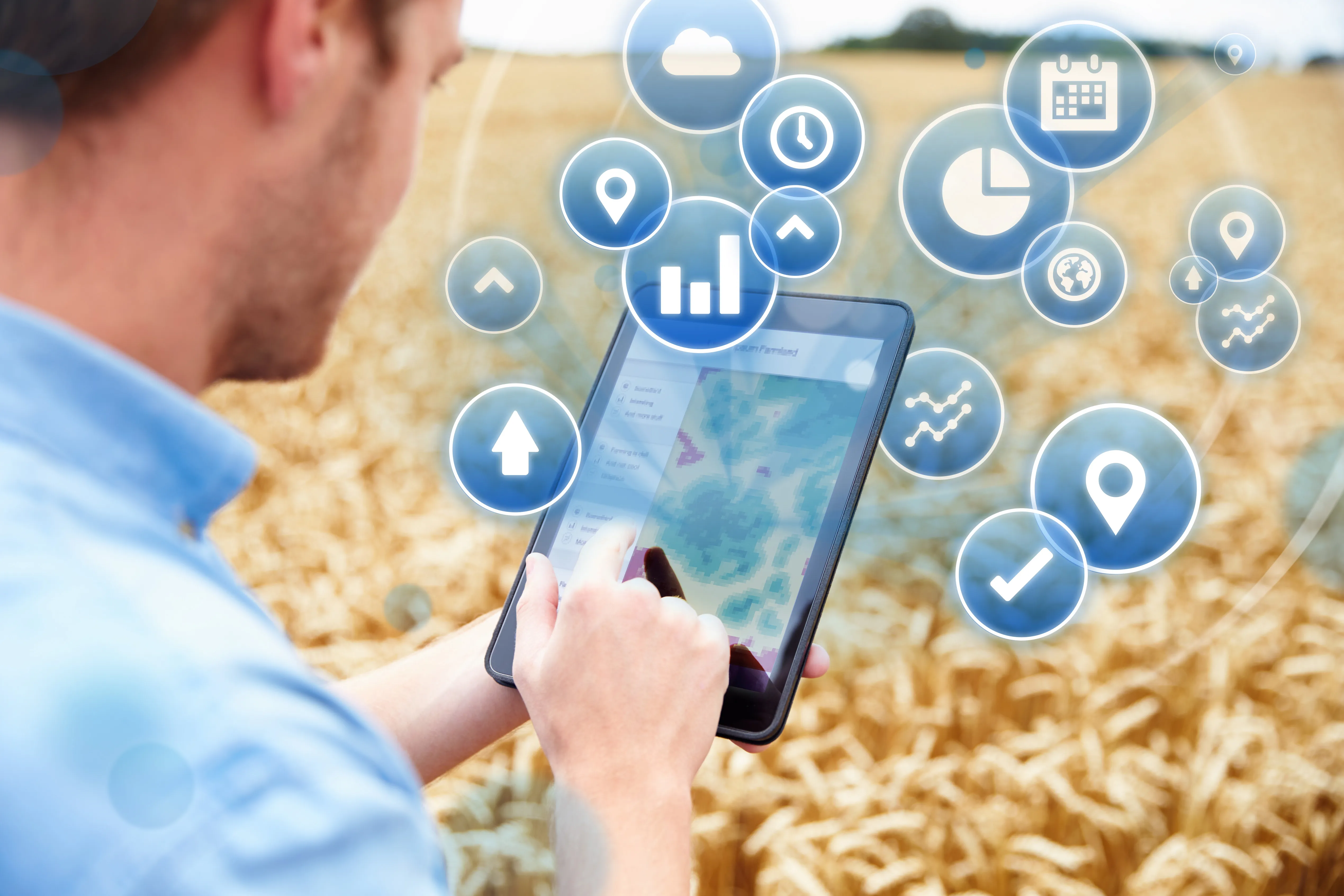
About half of farmers and ranchers regularly use artificial intelligence tools, like Chat GPT or Gemini, to support their operations, according to a report from the agricultural marketing firm MorganMyers and Ag Access, an agricultural market researcher.
While farmers split almost evenly on AI usage — 48% of survey respondents said they used the tools on a weekly or more frequent basis — just 24% of farmers said they fully or somewhat trust the recommendations made by AI models in relation to their farming businesses.
Forty-five percent of farmers said they were “uncomfortable” with allowing AI to influence real decisions on their operations.
© flickrcc - USGS
According to the survey, which included a sample of 166 producers, farmers were mostly concerned with the accuracy of recommendations made by AI models. Other top concerns surrounded data ownership and privacy, biases in the models and a fear that AI would replace human experience.
A majority of those surveyed, 62%, said “real-world farm results” would boost their trust of AI. Thirty percent said the ability to override AI suggestions would boost trust, and 27% said they wanted transparent data sources.
Greg Ehm, senior vice president of agriculture at MorganMyers, said farmers are “weighing” AI recommendations against “years of personal experience and practical knowledge.”
“Farmers and ranchers aren’t resistant to AI,” Ehm said in a news release. “Our survey confirms they’re trying it out and can already see areas where it delivers value and could help them become even better operators in the future.”
The survey also concluded that dairies, large-scale operations and farmers under the age of 35 had higher AI-adoption rates. While 64% of dairy producers were classified as “active users” of AI models, 55% of row crop farmers surveyed reported low or no use.

A 2025 study from the agricultural company Syngenta reported that large farms were more likely to adopt AI and digital farming tools. The Syngenta study also found that farmers struggled with trusting AI platforms, worried about how their data was used and most farmers said AI in agriculture felt “distant and alien.”
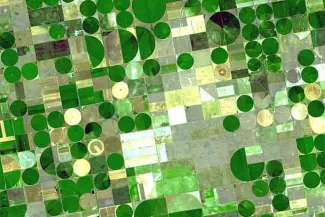
The term “digital farming” however, was more relatable to Syngenta farmers in the survey. The report noted that digital farming tools like GPS guidance on farm equipment, cloud-based management platforms, drone and imagery tools, weather applications and other monitoring services were already widespread in the U.S.
Some research suggests that AI tools like precision farming, robotic automation and machine learning applications can help boost agricultural yields.
The MorganMyers study found that 49% of farmers primarily use AI for “personal research and drafting” and 40% use it for crop planning or planting decisions. Over 30% of respondents said they use AI models for livestock nutrition insights or for business management.
Agricultural retailers surveyed had even lower rates of regular AI usage and trust in AI-generated recommendations. Fewer than 40 ag retailers were surveyed, but 60% said they have low or no trust in AI business recommendations and 38% said they use AI tools on a weekly or more frequent basis.
Some agricultural technology has its own AI models built in, but according to the report, farmers are even less likely to use these models than they are to use large language models like Chat GPT or Claude. The survey showed 39% of farmers use the AI-enabled features integrated into their existing ag platforms on a daily or weekly basis, compared to 48% of respondents who said they use more generic AI models with the same frequency.
Thirty percent of farmers and ranchers surveyed said they never use the integrated AI features on ag platforms.
MorganMyers, which represents agricultural industries, commodity groups and food companies, said AI models will be most successful in agriculture industries if they back claims with “real-world outcomes,” support human expertise and improve farmer workflows.