Texas researchers study link between social media and mental health

Excessive social media use could be harmful for people in their late teens and early 20s.
A report from a team at the University of Texas Health-Houston School of Behavioral Health Sciences found higher social media use is associated with increased levels of anxiety, depression and suicidal thoughts among young adults.
Jeff Temple, psychologist, professor and associate dean for clinical research at the school, said it is the first time the age group has been studied.
"College students as well as those in the workforce, trade school, military, not working, and it's a contemporary sample, so the newer type of things like TikTok, the sort of endless scroll that we see with smartphones and social media," Temple outlined.
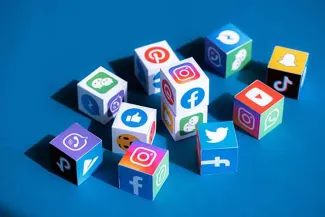
© iStock - pressureUA
Study participants who used social media for more than six hours a day reported the most symptoms. Temple added the research could not determine if social media use contributed to the mental health problems or if people with mental health issues spent more time on social media. More than 1,000 participants self-reported their social media use between 2018 and 2025, forming the foundation for the study. Women used social media more than men and reported heightened feelings of anxiety.
Temple pointed out the research could help create healthy boundaries for social media use.
"What I don't want it to be used as is saying that social media is the boogeyman. It helps people stay connected, maintain relationships, find communities. For instance, during COVID, it was a literal lifesaver," Temple acknowledged.
Temple stressed social media is here to stay, and as a society, we need to learn how to regulate it.
"The conversation really shouldn't be whether social media is good or bad," Temple added. "It should be how do we help young people, and really all people, use it in ways that support rather than undermine our mental health?"