Tribal leaders in Minnesota detail negative experiences with ICE

© danielfela - iStock-507873830
Click play to listen to this article.
Trump administration officials announced Thursday they plan to draw down federal immigration agents in Minnesota following a sustained national backlash. Local leaders say the negative effects are still being observed, including among Native Americans.
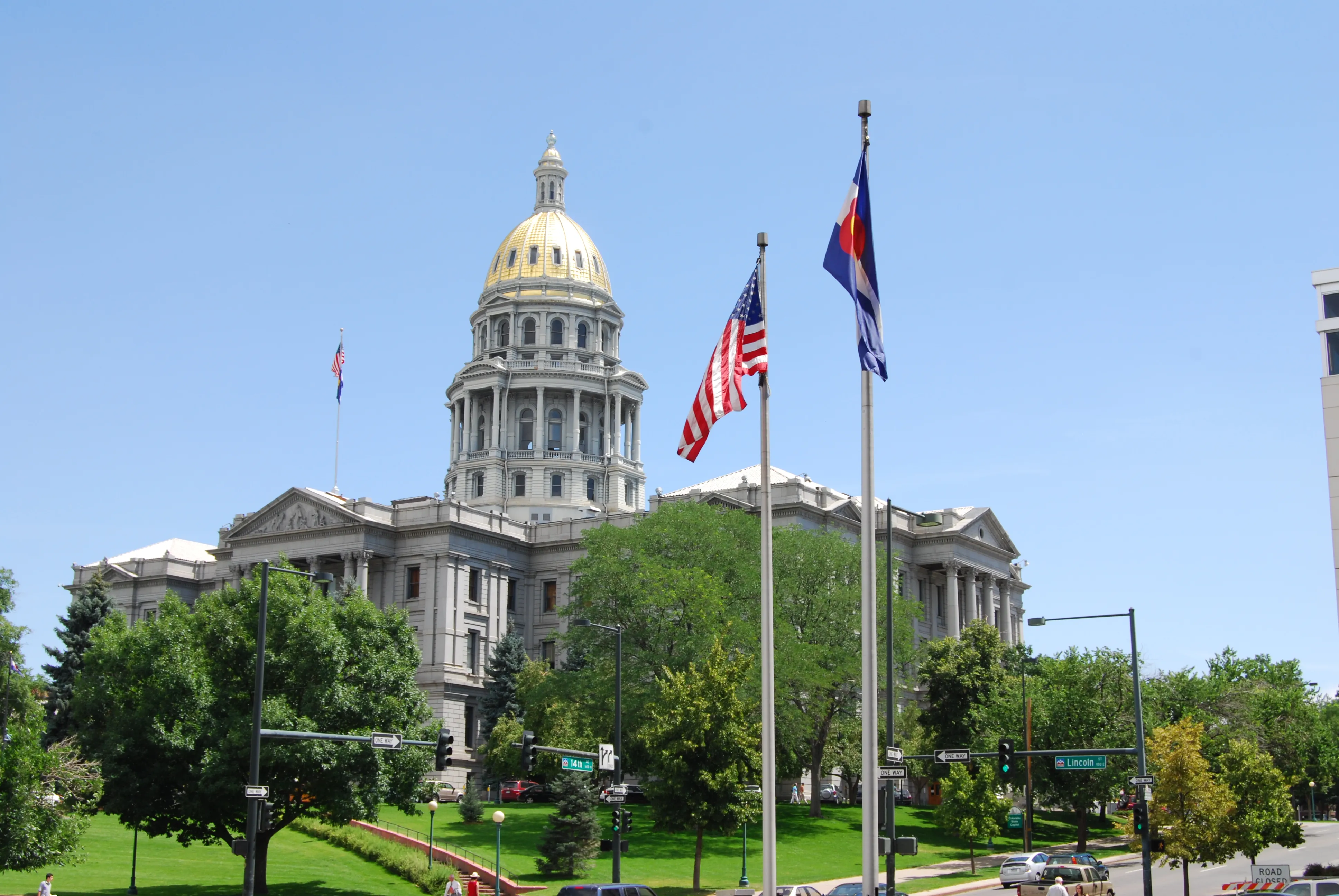
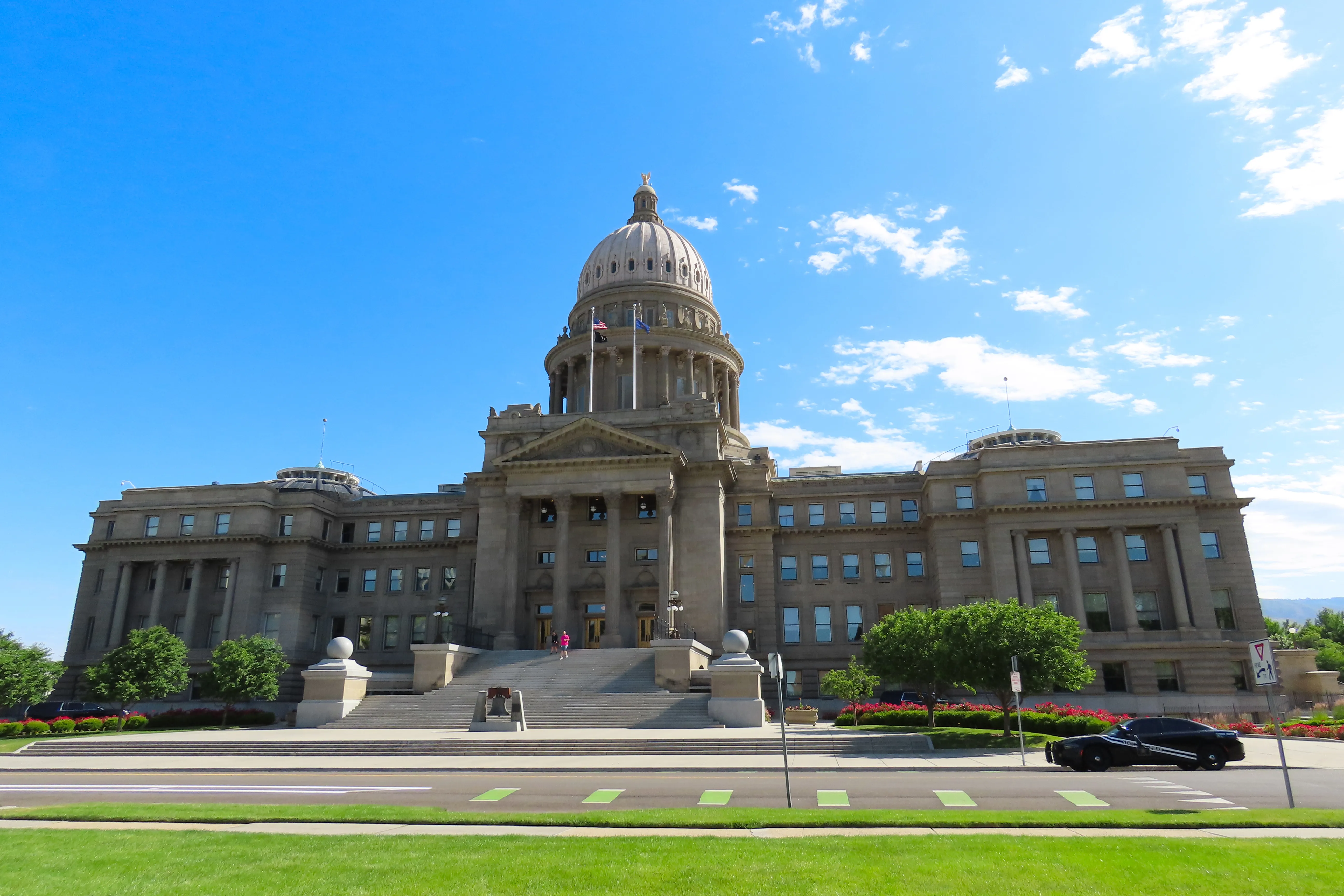
As federal officials laid out conditions under which they'll start reducing the roughly 3,000 immigration officers around the state, a lengthy hearing took place at the State Capitol. Legislators heard from residents whose communities feel traumatized by the controversial enforcement actions.
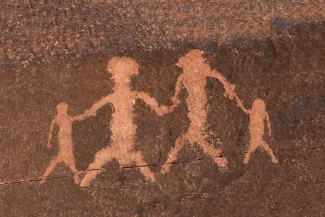
"Operation Metro Surge" had earlier stirred criticism for targeting Native Americans, despite sovereignty protections. Ruth Buffalo, president and CEO of the Minnesota Indian Women's Resource Center, said the persistent fear speaks to her on a personal level.
"Our community is witnessing citizens and Tribal members being detained and harassed," she said. "Because of this, I now tell my husband and children not to leave the house unless they absolutely have to."
During the chaos, Buffalo said the Resource Center has had to do occasional lockdowns, so clients have missed out on critical services, including housing assistance.
In a separate news conference, White House border czar Tom Homan acknowledged the operation hasn't been perfect but insisted the effort will see improvements as changes are implemented.
Buffalo told state lawmakers the additional economic hardships stemming from the crisis are likely to extend beyond individual families and businesses.
"When workers disappear from jobs, businesses lose trained employees and productivity, the costs don't disappear," she said. "They shift to the state and counties through housing instability, child protection and emergency systems."
She called on the Legislature to pursue policies that protect community stability and workforce continuity.
Meanwhile, the Native American Rights Fund this week ramped up an outreach campaign to familiarize Tribal populations with their rights, so they know what to do if approached by ICE or Border Patrol agents.