UCLA research finds friendship is a lifesaver

© iStock
Click play to listen to this article.
Starting or maintaining friendships can require effort and even strategy but research shows your physical and mental health will benefit.
It is often called the "loneliness epidemic" because one in three Americans say they lack meaningful relationships. Culprits can be technology, urbanization or lingering fear about COVID-19. Whatever the cause, studies show too little social engagement increases the risk of premature death, heart disease, dementia and mental health disorders like depression and anxiety.
Jaimie Krems, director of the UCLA Center for Friendship Research, said friendships are key.
© iStock - Rawpixel Ltd
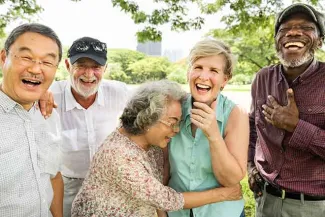
"The number one antidote to loneliness is friendship. It's not religion, marriage, children. It is friendship," Krems reported.
In 1990, just 3% of Americans said they had no close friends. Three decades later it was 12%. Krems likes the idea of "aggressive" friendship, taking the initiative to reach out without feeling guilty. She also suggested putting recurring meetings on the calendar with friends whether for an outdoor activity or simply coffee.
Some people treat friendships as transactional, making sure they get as much as they give. But Krems stressed it is OK to be a little needy sometimes, asking friends for a personal recommendation about a doctor, a mechanic or even a favorite book.
"One of the things that might be counterintuitive is to ask for help," Krems added. "Help-giving is the defining feature of friendship."
A 2021 survey found trends such as people marrying later and becoming more geographically mobile than in the past also are strongly associated with increasing rates of self-reported social isolation and feelings of loneliness.
Krems suggested if you find yourself thinking of a friend, do not put it on your to-do list for later. Instead, text and ask for 10 minutes on the phone. A friend who might be busy knows you do not need an hour of conversation, just enough time to touch base.