Utah Lieutenant Governor releases early findings from voter citizenship review

© JJ Gouin - iStock-2170878039
Utah’s top elections official says her office has confirmed that more than 99.9 percent of Utah voters are U.S. citizens and has removed an additional noncitizen from voter rolls after finding four earlier last year.
Lt. Governor Deidre Henderson released findings from an ongoing review Friday as Republican state lawmakers push for tougher enforcement of a prohibition on noncitizen voting in state and federal elections.
“The bottom line is, there is not a widespread problem,” Henderson said. “You hear people say hundreds or thousands — it’s just not.”
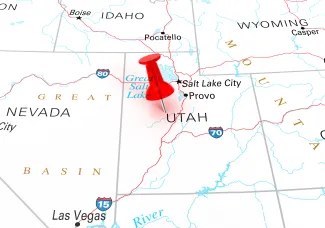
Henderson’s office began the review last year to identify any noncitizens on the state’s voter rolls and find weak spots or mistakes that could allow that to happen. She said it identified one person who was ineligible to vote but registered anyway, although that person did not cast a ballot.
Although the issue is rare, it remains a focal point for top Republican lawmakers.
“I think the audit confirmed a lot of what I thought, what I expected,” Senate Majority Assistant Whip Mike McKell, R-Spanish Fork, told reporters. “But at the same time, we need to make sure that the right people are voting, and that’s always going to be a priority for the legislature.”
Senate President Stuart Adams agreed.
“We don’t want to tamp down people’s ability to vote,” said Adams, R-Layton. “We want good participation, but we also want to make sure that only those that are citizens are voting.”
Prior to starting the current review, the lieutenant governor’s office last year found four people managed to register to vote when a state website inadvertently allowed people to proceed even if they acknowledged they were not U.S. citizens.
“As soon as we found out, we immediately got it reprogrammed, and every clerk was supposed to check, verify the citizenship anyway,” Henderson said in an interview. “But obviously, you know, some slipped through the cracks. Four slipped through the cracks that we were able to catch and remove.”
The four registered to vote in 2018 or 2019, but the office isn’t certain whether they actually voted, a spokesperson said.
In April, Henderson criticized federal proof-of-citizenship legislation backed by Utah Senator Mike Lee, saying it was “problematic and impractical on almost all points except its talking points.”
Elon Musk, the world’s richest person and an ally of President Donald Trump, shot back in a social media post on his site, X.
“Those who oppose proof of citizenship for voting are traitors to America,” Musk said. The following day, Henderson announced her office was conducting “a full citizenship audit of Utah’s voter rolls similar to those recently conducted by other states.”
In Friday’s public memo, she said the office compared voter records against driver’s license data, which records citizenship status. The review found 99.9 percent of more than 2 million voters are citizens, Henderson said.
However, the status of more than 70,000 voters was still unclear, so the office consulted a separate federal database and confirmed all but 12 percent — or 8,836 — were citizens. Staff in her office reviewed the remaining voters’ information.
They then focused on those who were active voters born outside the U.S., narrowing the number of those they could not immediately verify were citizens to 486. The next phase of the review will focus on the remainder – inactive voters and those born in U.S., but for whom the state has incomplete information.
The office wrote to everyone in that group last week and requested they update their forms by Feb. 1, Henderson said; 52 have responded. Many are older and began voting long ago, she said, before the state required a driver’s license or social security number to register. Typos and misspellings may help explain other cases, she added.
How the office responds to any who don’t write back “largely depends on what happens with legislation this year,” Henderson said.
She said the review process demands a careful approach to balance finding and removing people who aren’t eligible to vote while also not removing those entitled to vote, which she noted violates federal law.
“It’s also a lousy thing to do,” Henderson said in the memo.
In 2022, to Henderson’s surprise, a county clerk marked her as a noncitizen and rendered her voter registration inactive, she said in the memo, “simply because I was born overseas. This was not done maliciously; it was the result of a too-aggressive scrubbing of the county’s voter rolls that inappropriately purged eligible voters born outside the United States.”
Henderson was born in the Netherlands, where her father was stationed with the U.S. Air Force. She did not identify the county or the clerk’s office that removed her name.
If it could happen to the state’s second-in-command and the chief election officer, she wrote, “who else might be wrongly caught in such an overzealous dragnet? We did not want to repeat my former clerk’s mistake.”