The Yonder Report: News from rural America - November 12, 2026

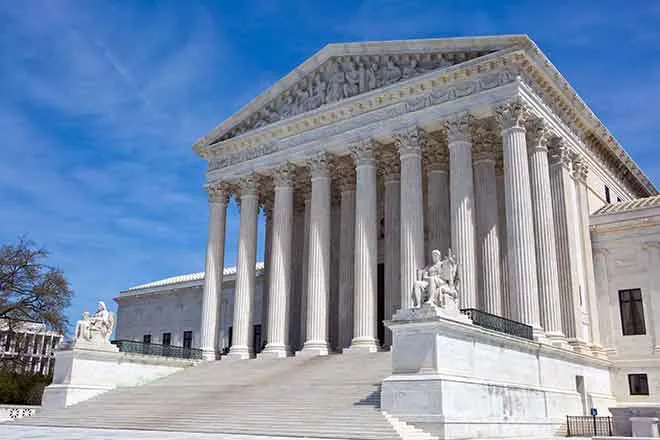
© Dean_Fikar - iStock-503150251
News from rural America.
Rural voters in border counties helped turn Texas blue, rural areas strongly opposed data centers at the ballot box, and money from mass deportations could cover medical care for millions of people.
TRANSCRIPT
For the Daily Yonder and Public News Service, this is the news from rural America.
Rural border communities helped fuel Democratic gains in Texas in the midterm elections, with all 171 rural counties shifting blue.
Democrats gained eight points in the gubernatorial race compared to 2022 with the election of Gina Hinojosa, and in the Senate race they gained nearly eight points from 2024, electing James Tallarico.
The trend was even bigger along the U.S.-Mexico border.
Daily Yonder reporter Madeline DeFigureto cites Star County, a majority Hispanic county that Donald Trump carried by 16 points in 2024.
Inajosa won that county by nearly 50 points and Tallarico by 55 points.
So we're talking margins that are, I mean, truly extraordinary.
DeFigureto says the shift towards the Democrats affected down-ballot races too.
While there are these national races that we're focused on, There's also county commissioners and judges and attorney generals.
All of these roles were filled by Democrats.
Their dramatic shift of rural counties to the left was a trend across many states this midterm cycle.
Rural areas also had their say on data centers nationwide, with voters passing 43 of 44 ballot questions calling for bans, moratoriums, and other controls.
Ali Mortel with the political polling firm Blue Rose Research isn't surprised.
You know, we've been saying for months now that data centers are deeply unpopular.
Data centers are about as popular as living next to a landfill.
She says while data center developers tout economic benefits for rural economies, the skepticism of those living near a planned project is hard to ignore.
Voters do not trust these tech companies to fulfill the promises they're making around, you know, the benefits that data centers will bring to their communities.
She feels the election results show how the public feels about data centers' rapid buildup and their connection to AI.
The United States could hire nearly one million school teachers or provide medical care for more than five million veterans instead of paying nine billion dollars to deport immigrants.
That's according to a new calculator from the Economic Policy Institute, a nonpartisan think tank.
The group's Ben Zipperer says money from the mass deportation program could address many high-priority issues for Americans.
Instead of funding mass deportations, we could pay for health insurance for nearly 12 million people or fund nearly 10 million public housing units or have paid parental leave for 6 million parents.
Instead, we're demonizing immigrants.
Defenders of mass deportation say it opens up more jobs for U.S.-born workers.
They also contend it removes violent criminals.
Despite data from the Cato Institute showing 93% of people arrested by ICE had no violent criminal convictions.
For the Daily Yonder and Public News Service, I'm Laura Hatch.
For more rural stories, visit dailyyonder.com.