
Coalition presses USDA to limit funds for manure digesters
© Smederevac - iStock-1470677566
Click play to listen to this article.
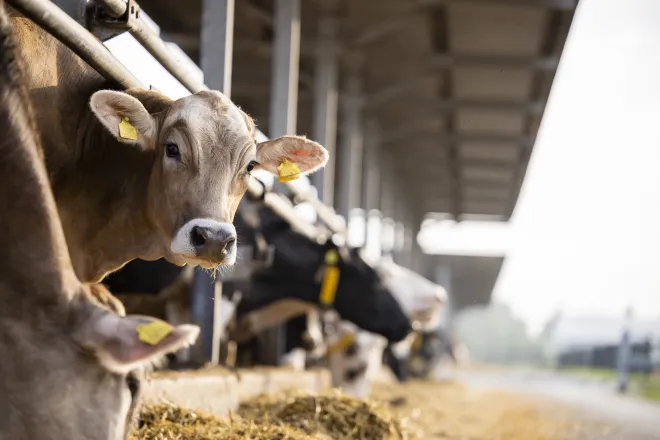
Thirty-four groups that focus on the environment and small farms are asking the U.S. Department of Agriculture to stop funding systems that produce natural gas from manure at industrial livestock operations.
The coalition just filed a rulemaking petition asking that factory farms be ineligible for grants and loans for anaerobic digesters under the Rural Energy for America program, known as REAP.
© iStock - Melissa Kopka
Tyler Lobdell, senior staff attorney with Food and Water Watch, said factory farm bio-gas digesters do produce energy, but carry high environmental costs.
"They increase water and air pollution, and they encourage factory farms to get bigger, which increases the overall pollution load that a rural community has to deal with," he said. "We are adding industrial gas production on top of these already very large and pretty industrialized facilities."
In a statement, the Renewable Natural Gas Coalition said the petition is without merit and is unlikely to succeed, arguing that digesters create a new revenue stream for farmers and produce fertilizer as well. Farmers can also generate credits under California’s low-carbon fuel standard.
Lobdell said the limited REAP program funds would be better spent on projects such as solar arrays on small farms, which don’t produce enough manure to merit a multi-million dollar digester.
"This type of gas production adds yet another market lever against small-scale local farming," he said, "and in favor of multinational, Big Ag corporations having further consolidation in our ag system."
The RNG Coalition estimated that California has 230 RNG facilities, by far the most of any state in the nation. The EPA’s Livestock Anaerobic Digester Database lists 400 digesters in California, with seven that received funding from the USDA.