Daily Audio Newscast Afternoon Update - March 31, 2026

© INDU BACHKHETI - iStock-1336427297
News from around the nation.
Trump tells our allies in Europe to 'go get your own oil' from the Strait of Hormuz;
Colorado’s rural farmers try to adapt to shrinking Colorado River; New data show critical effects of federal Medicaid, SNAP cuts in PA; MI coalition urges governor to reject federal school voucher plan.
Transcript
A Public News Service Tuesday afternoon update, I'm Mike Clifford.
President Donald Trump lashes out at the UK and European allies, telling them to go get your own oil from the Strait of Hormuz.
In a social media post, Trump wrote, you'll have to start learning how to fight for yourself.
The USA won't be there to help you anymore, just like you weren't there for us.
The BBC notes a Kuwaiti oil tanker carrying millions of barrels of crude oil has been hit Near Dubai, with officials blaming Iran for the strike, the 24 crew members aboard are safe, the blaze under control, and no oil spill reported.
Meantime, the Colorado River has 20 percent less water flowing through it than it did in the 20th century due to a decades-long drought exacerbated by climate change.
National Geographic explorer Caitlin Oaks has been documenting how farmers are trying to adapt.
She says each year, members of the Ute Mountain Farm and Ranch in rural southwestern Colorado create multiple plans for what to plant based on water allocations that vary greatly from year to year.
They've already made adjustments on the operations side, including building a mill to add value to the blue corn they grow.
They've implemented low-flow nozzles into their center pivot system.
They've installed these small-scale hydropower generators to help them power their milk.
As the seven Colorado River Basin states wrangle over how many acre feet of water they're willing to do without, Oak says rural communities across the Southwest are experiencing a water crisis in real time.
I'm Eric Galatas.
Next, a new mapping project offers a close look at how families across Pennsylvania could be affected by major cuts to Medicaid and SNAP.
SNAP is the most extensive child hunger program.
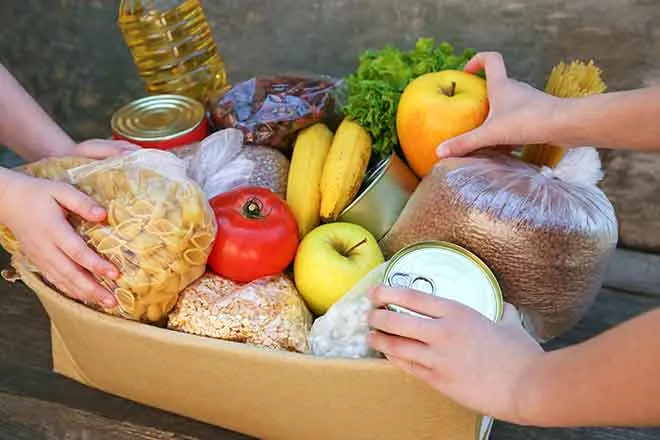
Making them among the most vulnerable to food assistance cuts, Becky Lutwit with Pennsylvania Partnerships for Children says more than a million Pennsylvania families could lose some or all of their SNAP benefits, while many also risk losing access to essential health care through Medicaid.
Over 40 percent of kids who live in Pennsylvania are enrolled in Medicaid for their health insurance.
And so when people talk about Medicaid, we want to make sure that children are not overlooked because they are a pretty big piece of the enrollment when we look at that program.
Danielle Smith reporting.
And advocates for Michigan public schools are urging state leaders to reject a proposed federal voucher-style program.
The Michigan Education Justice Coalition says the proposal would benefit wealthier families while weakening public education funding.
Coalition Director Rachel Crow Hercher says in polls, more than 60 percent of Michiganders have said they oppose vouchers.
Public funds should not go to private schools.
Private schools are allowed to pick their students.
That means that students who have more needs, disabilities, and things like that are not in those spaces.
The coalition is asking Governor Gretchen Whitmer to not opt into the federal plan, which will provide tax credits for donations and support private school scholarships.
This is Public News Service.
As National Social Worker Month comes to an end, child welfare advocates say that social workers in New York and across the nation have complex feelings about legal permanency.
A 2024 poll from the Dave Thomas Foundation for Adoption found 83 percent of child welfare workers agree all children are adoptable.
But more than a quarter said aging out of the foster care system is a more realistic pathway for older kids than finding a permanent family.
Rita Sorenen, president of the foundation, says misconceptions about finding permanent housing make it harder to achieve.
I think it's about the barriers that they believe exist, so that there's not the kind of support for families to have these children come into their homes.
And so maybe you're creating a worse environment than keeping them in foster care and giving them the resources to age out.
The poll also showed 67 percent of workers felt they didn't have significant influence in helping kids find an adoptive family.
Contributing factors included legal barriers introduced by state and federal policies and large caseloads prohibiting child welfare workers from giving individual attention to each case.
I'm Edwin J. Viera.
Next, financial need is a top concern for Native students attending college, according to the American Indian College Fund.
Now, Indigenous learners can get help with those costs through college fund scholarships.
The group offers tuition money to tribal members and their descendants, with awards averaging $2,000 to $3,000.
Tiffany Gusbeth with the College Fund says the scholarships are focused on students attending tribal universities and colleges, or TCUs.
We support students at all academic levels, whether they are part-time, first-time entering, non-traditional students seeking various types of degree programs.
Montana has seven TCUs, and there are 34 across the country.
The application deadline is May 31st for awards that will be announced in July.
Last year, the college fund gave out $21 million in scholarships to more than 7,300 students.
I'm Laura Hatch reporting.
Finally, those who don't conform to society's traditional gender norms often face social exclusion and discrimination.
But today's Transgender Day of Visibility aims to reverse those negatives and instead celebrate the lives and contributions of trans people.
Created in 2010, the day is set aside to put the focus on narratives of empowerment over erasure.
Matteo Nevels with the Lavender Rights Project says transgender individuals have been pushed to society's margins, but like all others, deserve to be treated with respect, dignity, and equal rights.
He hopes one day a majority of people will move past their intolerance.
Actually seeing that we are people who work, people who have families, people who have kids, people who are artists and organizers and faith leaders and all the things a human being can be, the trans folks are also that as well.
I'm Roz Brown.
This is Mike Clifford for Public News Service, member and listener supported.
Find our trust indicators at publicnewsservice.org.