Daily Audio Newscast Afternoon Update - May 6, 2026

© INDU BACHKHETI - iStock-1336427297
News from around the nation.
Trump pauses Project Freedom and claims progress on Iran deal; Colorado drought affecting family-scale ranchers; New Connecticut law strengthens immigrant protections in sensitive locations; New Hampshire teachers go the extra mile for students with special needs.
Transcript
The Public News Service Wednesday afternoon update.
I'm Mike Clifford.
As of today, Operation Project Freedom is on pause.
The operation intended to clear a path through the Strait of Hormuz began two days ago.
Now President Donald Trump ordered the pause to allow more times for talks as he speaks of great progress.
According to a social media post, Trump said, based on the request of Pakistan and other countries, and additionally, the fact that great progress has been made toward a complete and final agreement with representatives of Iran, we have mutually agreed that while a blockade will remain in full force and effect, Project Freedom will be paused for a short period of time to see whether or not the agreement can be finalized and signed.
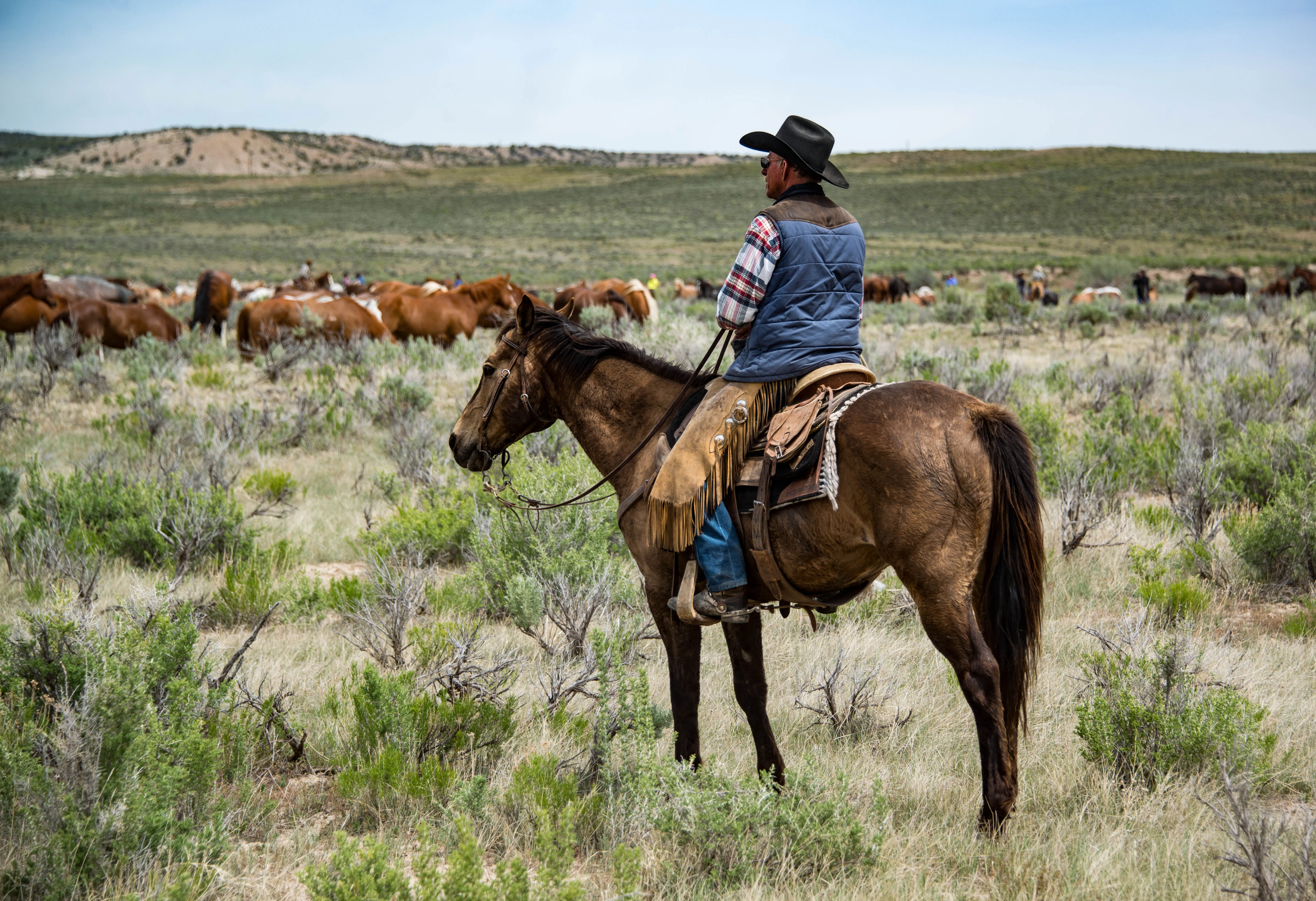
Meantime, Colorado's mountain snowpack supplies more than 70 percent of the state's streams and reservoirs and has long been considered money in the bank for ranchers that depend on grasslands to feed livestock.
But our Eric Galatas reports after an especially dry winter, snowpack has dropped to an all-time low.
Courtney Mallory raises cattle, chickens, ducks, goats, hogs, sheep, and turkeys with his wife at Freedom Acres Ranch east of Colorado Springs.
He says he's had to purchase alfalfa to feed his animals.
Grass prices are going up as a result of grass not being replenished over this past winter like it's normally been.
Gas prices are affecting travel to get the grass.
He says they also plan to limit herd growth in order to not overgraze the land.
I'm Eric Galatas.
And a new Connecticut law will provide further protections for the state's immigrant population.
Senate Bill 397 holds government officials accountable if someone's constitutional rights are violated by federal law enforcement and limits automated license plate reader surveillance.
Constanza Segovia with the Connecticut for All Coalition says another important piece of the bill is how it protects sensitive places from civil immigration enforcement.
In Connecticut, we knew these arrests weren't only happening in courts and that we also needed to make sure our schools, hospitals, health care centers, and places of worship were being protected as well.
The legislation was widely supported at a public hearing, but some opposed it because they felt it loosened immigration enforcement laws too much.
The bill is part of an ongoing effort by the General Assembly to craft more immigrant protections in the wake of greater federal enforcement, which was a primary issue during last year's special legislative session.
I'm Edwin J. Viera.
And it's Teacher Appreciation Week, and some New Hampshire parents are highlighting the extra mile teachers often go for their students with special needs.
That includes first grader Ben O'Reilly at Campton Elementary School, who was deaf and struggled to build friendships with his classmates until his teacher began to incorporate sign language into their daily routines.
Marlena O'Reilly is Ben's mom.
He had more say in his own life.
He had choices.
He just became his own person, which is really all we've ever wanted for him.
She says the practice quickly spread throughout the school and soon everyone was signing the Pledge of Allegiance.
She says for the first time, Ben began asking kids to play.
This is Public News Service.
Next to Oregon, where the only coalition focused on supporting older LGBTQ adults is moving from a fully volunteer endeavor to a more organized, fiscally sponsored effort, thanks to a new partnership.
The Oregon LGBTQ Plus Aging Coalition is collaborating with the nonprofit Age Plus to hire their first paid staff members and expand their reach.
Executive Director Brandi Penner says creating more visibility through research, education and advocacy is central to their work.
Especially when we're talking about health care settings, if you can't be completely open and honest with your health care providers about your entire life, that has dramatic health disparities and reduced outcomes for folks.
Penner says data on this population has been limited despite Oregon having the highest per capita LGBTQ plus population in the U.S.
The coalition helped create a statewide survey in 2021 that found older queer adults face economic and health disparities, along with social isolation and underreported abuse.
I'm Isobel Charle.
And small business owners across Georgia say tariffs and rising costs are pushing them to the breaking point.
Katrina Golden owns Lil Mama Sweet Treats, a coffee shop and bakery inside the VA hospital in Augusta.
She says her costs have soared while her revenue has plummeted.
Long term, it's not sustainable for small business.
Just bottom line, it's not.
There's There's been, in my area, there's been three bakeries that closed.
Golden says she used to make $600 a day at her coffee shop.
Now she's often below $300.
She's lost an employee who needed health benefits she couldn't provide.
She's working 12 to 14-hour days doing all the baking herself because she can't afford to hire help.
The Trump administration has defended terrorists as necessary to protect American manufacturing and reduce reliance on foreign supply chains.
Officials say the long-term benefits, including increased domestic production and job growth, will outweigh short-term disruptions for small businesses.
I'm Tramiel Gomes.
Finally, relief could be on the way for a program that helps Minnesotans struggling to pay certain utility bills.
The Minnesota legislature is considering a $15 million emergency aid package to bolster the state's energy assistance program.
It distributes federal funds to help eligible households cover their monthly heating and electricity costs.
Maggie Schubert, with the rule-centric nonprofit Cure, says the timing of the supplemental aid is important, with Minnesotans now behind on electricity natural gas bills by $145 million.
They're funds that address a really immediate need for people who are in crisis because they can't pay for their electricity or their eating bills.
Supporters say it would also extend coverage to cooling season.
I'm Mike Moen.
This is Mike Clifford for Public News Service.
Member and listener supported.
Find our trust indicators at publicnewsservice.org.