Daily Audio Newscast - December 16, 2025

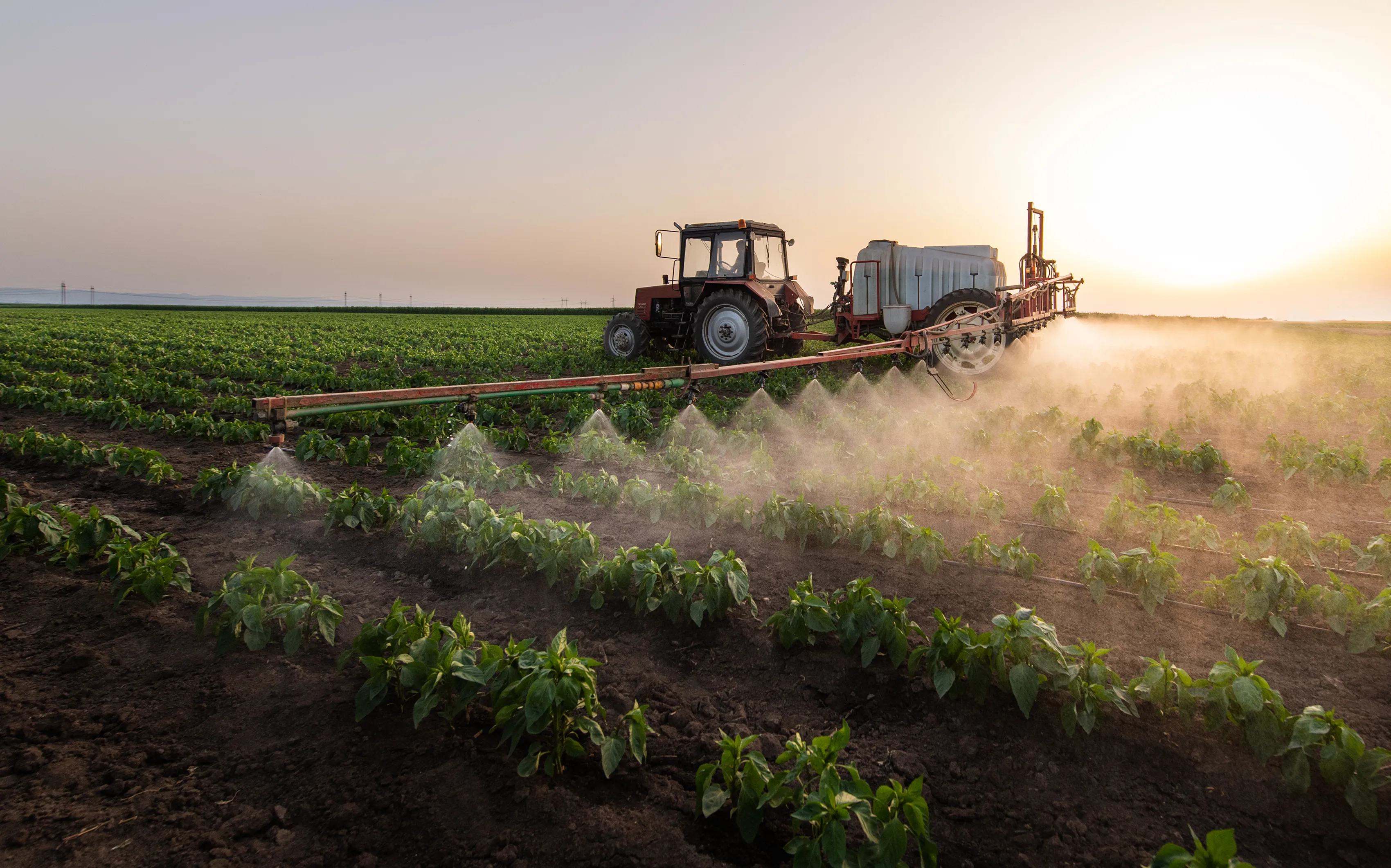
© AlexLMX - iStock-823000260
Six minutes of news from around the nation.
FBI offers $50,000 reward in search for Brown University shooting suspect; Rob and Michele Reiner's son 'responsible' for their deaths, police say; Are TX charter schools hurting the education system? IL will raise the minimum age to jail children in 2026; Federal aid aims to help NH farmers offset tariff effects.
TRANSCRIPT
The Public News Service daily newscast for December the 16th, 2025.
I'm Mike Clifford.
The FBI is now offering a reward concerning the Brown University mass shooting of up to $50,000.
That for information leading to the identification, arrest, and conviction of a suspect, FBI Director Kash Patel said on X.
Axios reports authorities released two images and video of a person of interest in Saturday's shooting that killed two students and injure nine others.
That after police released a man previously detained as a person of interest in the case.
And from CNN, Los Angeles police say that Nick Reiner is responsible for the deaths of his parents, Hollywood director Rob Reiner and producer Michelle Singer Reiner.
The couple's daughter discovered them in their Brentwood home yesterday, according to a source.
The 32 year old son was seen having an argument with his father at a holiday party Saturday at Conan O'Brien's home.
He was booked on suspicion of murder, currently being held without bail.
Meantime, there are 186 charter schools all across Texas.
Education advocates say it's time for a system overhaul.
A report released by the Network for Public Education, Charter School Reckoning Part Two Disillusionment, says lax charter school laws have led to mismanagement, profiteering, and fraud.
Kerry Griffith with Our Schools, Our Democracy says the concept behind charter schools has been weakened by state laws that prioritize rapid expansion and limited regulation.
So we have a saturated market, low enrollment, high rates of closure, low academic performance, and harmful revenue loss to our local school district.
Millions of these dollars are going to out-of-state charter management organizations.
The Network for Public Education has 10 recommendations to improve the charter school system says will help taxpayers and students.
They include more oversight and halted expansion until laws have been changed.
I'm Freda Ross reporting.
And juvenile justice advocates in Illinois are praising the state's decision to raise the minimum age for juvenile detention from 10 to 13 years old that begins in 2026.
A newly signed bill aims to reform juvenile justice practices across the state by creating services and programs that prioritize rehabilitation treatment alternatives for children.
Elizabeth Clark with the nonprofit Juvenile Justice Initiative says it's the culmination of more than a decade of work to prioritize a restorative justice approach to juvenile detention that uses jail as a last resort in extreme cases.
It's a very exciting step forward following research to the best outcomes when children are in conflict with the law will keep the public safer, will reduce local community costs and improve services.
I'm Judith Ruiz Branch reporting.
This is Public News Service.
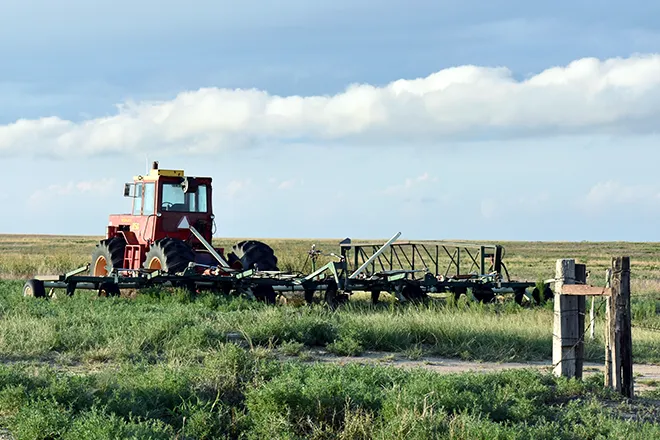
New Hampshire farmers can expect a portion of a $12 billion aid package announced by the Trump administration.
Egg producers have been hit with higher costs as a result of U.S. trade policies.
The money to fund the so-called bridge payments is coming from the revenue the U.S. has collected from tariffs on other countries.
Ben Lilliston with the nonprofit Institute for Agriculture and Trade Policy says the aid aims to ease an immediate cash flow problem for farmers receiving less for their crops, but does nothing to address the higher costs of equipment they use to process them.
"And many of those costs are associated with these tariffs.
So higher prices for machinery, for buildings, for crop inputs across the board."
At least $1 billion of the $12 billion in aid will go to specialty crops, which will will help New Hampshire apple producers.
The Trump administration says it imposed tariffs to level the economic playing field with other countries.
I'm Catherine Carley.
New Hampshire, especially crop farmers likely to start seeing payments from the aid package next February.
And improving people's vision, one part of an effort to reduce poverty globally.
Researchers in North Carolina are among the contributors to the campaign to help people see better.
Nearly a billion people around the world need glasses but can't afford them. and 90 percent of vision loss occurs in low and middle income countries.
Good Vision is one organization helping fill this gap.
It has vision care infrastructure in 11 countries across Africa, Asia, and South America.
Started in 2012, the organization delivered its 1 millionth pair of glasses this fall.
Blair Wong is board president of Good Vision USA and International.
In these populations, people have tremendous strife, poverty, and life challenges. and it's life-changing if they are given a chance to have great acuity through a simple parabolic test.
At the University of North Carolina, researchers are doing their part.
For instance, an ocular epidemiologist with the UNC Institute for Global Health and Infectious Disease developed a treatment for trachoma.
I'm Eric Tegethoff reporting.
Finally, groups that work for environmental justice are concerned that a delay in EPA methane emission rules will put thousands of lives in Utah across the country at risk.
The agency's 2024 methane rule would have required major reductions in methane emissions and other air pollution from the oil and gas industry.
The EPA's move to delay it for 18 months has drawn strong criticism from groups including WE ACT for Environmental Justice which says local communities bear the health and economic burdens of this pollution.
Joseph Role with WE ACT says the delay could be deadly.
This delay is unfortunately more likely and not going to result in unnecessary deaths and increased hospital visits, our continuation of high rates of ER visits, public health burdens being placed on communities near it.
Mark Richardson reporting.
This is Mike Clifford from Public News Service.
We are a member and listener supported.
You can find our trust indicators at publicnewsservice.org.