New construction reduces housing shortage in most states

Housing shortages have eased in most states since 2020, as new construction has made apartments and houses more affordable.
Connecticut, New Jersey and Rhode Island are the only states that have lost housing units per capita since 2020, according to a Stateline analysis of housing data released today by the U.S. Census Bureau. Most other states have built more than enough housing to account for population growth.
The increase in the supply of apartments helped drive down the nation’s median rent in April by 1.7% compared with the same month last year, according to a May report from Apartment List, a company that posts rental listings online.

Single-family homes also are starting to get more affordable, according to a May report from the National Association of Realtors. The group calculates “affordability” by calculating whether or not a typical family earns enough income to qualify for a mortgage on a median-priced, existing single-family home.
The improvement in affordability is especially dramatic in the South and Midwest, while affordability is lagging but improving in the West and Northeast.
In analyzing the housing supply, one housing unit for 2.5 residents is considered a healthy balance, though the ratio can be lower in places with large families or higher where there are many young singles or older people living alone.
Nationwide, the ratio ranges from 1.8 people per unit in Maine to 2.7 people per unit in Utah, according to the Stateline analysis. In most places, the ratio of people to housing units is shrinking, as the housing supply grows.
Some states have added far more housing than residents since 2020. Vermont, for example, has added nearly 10 times as many housing units — around 12,000 — as new residents. The District of Columbia and New Mexico have added five times as many new units as new residents.
The story is different in Connecticut, New Jersey and Rhode Island. In those three states, the housing supply is lagging behind population growth, with about three new residents per new housing unit in Connecticut and Rhode Island, and almost four residents per unit in New Jersey.
New Jersey has added about 260,000 new residents since 2020, but only about 66,500 new housing units. The state is seeking to impose affordable housing quotas on towns, but has run into strong resistance from suburban residents.

iStock
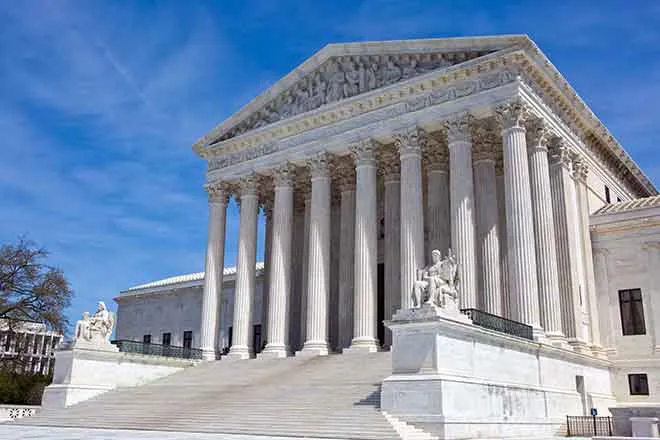
In February, a group of New Jersey towns, led by Montvale in Bergen County, a New York City suburb, asked the U.S. Supreme Court to stop a March deadline for a new phase of affordable housing plans to start, but were rebuffed without explanation later that month by Justice Samuel Alito.
In court papers, town leaders said their residents don’t want the denser housing required by the 2024 state law, and that residents would likely vote them out of office if they implemented it.
At a February public hearing about the plan in Ridgewood, a town in Bergen County, “elected officials continued to receive objections from residents…ranging from accusations against local leaders of conspiracies, accepting campaign donations and personally benefitting from the rezoning,” according to court papers filed by the towns.
Apartment List does not consider Bergen County separately from the New York City area, where home prices have increased 5.6% from last year as of April 30, according to Zillow, to a median $773,069. A one-bedroom apartment in the county can command $2,400 or more according to Rentometer, a rental market analysis site.
In contrast, Travis County, Texas — which includes most of Austin — has added about 99,500 new residents and 120,000 new units since 2020. That disparity helps explain why the Austin area had the largest drop in median rent between 2025 and 2026 in the new Apartment List estimates, declining 5.7% since last year and 22% since 2022.
Along with Austin, apartment-building has driven a decline in rents in Sun Belt metros such as Denver, Orlando, Phoenix and Tampa, according to the Apartment List report.