Oklahoma continues to lack substantial guardrails for using generative AI

State lawmakers failed to establish guidelines for artificial intelligence this year, but Oklahoma Governor Kevin Stitt has warned that he could call lawmakers back to the state Capitol to reign in use of the tool for political campaign advertisements.
His special session threat comes after lawmakers went home without taking any substantive action to regulate the use of AI despite its growing use to attack Oklahoma candidates seeking political office.
Stitt, in particular, has taken issue with an AI-generated ad targeting Republican gubernatorial candidate Mike Mazzei. The ad pictures Mazzei, the governor’s former budget secretary, hugging former Democratic presidential candidate Hillary Clinton.
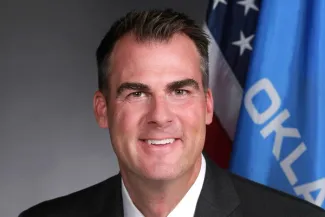
Oklahoma Governor Kevin Stitt - public domain
Stitt posted on X that the ad was “designed to deceive voters” and called the tactic “dishonest, swamp-style politics.”
“If these tactics continue, I will seriously consider calling a special session to outlaw deceptive AI-generated political content in Oklahoma elections,” he wrote.
Representative Neil Hays, R-Checotah, said he proposed a bill that would have criminalized creating AI-generated content using someone’s likeness without permission, but the measure was never heard on the House floor.
He was among the legislators who proposed a handful of AI-regulatory bills that failed to advance to Stitt’s desk. Lawmakers had also sought to bar AI from achieving personhood status, prohibit using people’s likeness without permission and to limit how minors can interact with AI chatbots.
Hays said his bill wouldn’t have prohibited what people can create with AI, but it would bar them from weaponizing it.
He said he was told the bill wouldn’t have enough votes to pass off the House floor, but wasn’t given specifics on what lawmakers had issues with.
A growing number of people have called him about HB3299 following public criticism of AI-generated media in political ads this election cycle, Hays said.
Oklahomans need honesty and integrity in the election process, he said, and people shouldn’t be able to create media of something that never happened and present it as fact.
“I always said, the moment it hits you personally, you’ll be more apt to want to support that type of legislation,” Hays said. “… So we’ll see after this election cycle if any of them got beat up enough that they would change their tune to some extent.”
Hays said he plans to run his legislation again next session.
Representative Cody Maynard, R-Durant, also authored two AI-related bills, but while they cleared the House, neither passed off the Senate floor.
House Bill 3546 would have prevented artificial intelligence from having the same rights as people in Oklahoma, or achieving personhood status. A handful of other states have proposed similar legislation.
House Bill 3544 would have regulated how AI chatbots can interact with minors.
Maynard was not available to comment on the legislation because he was working, his office said.