Politics: 2026Talks - June 9, 2026

© Arkadiusz Warguła - iStock-1890683226
Politics and views in the United States
Maine Senate candidate Graham Platner holds a steady lead, amid controversies. Congress faces a Friday deadline to approve a key intelligence program and child well-being is declining nationwide.
Transcript
Welcome to 2026 Talks, where we're following our democracy in historic times.
When hurtful things I said on the Internet a decade ago came out into the public, as I shared my personal journey through PTSD and darkness of recovery and accountability and growth, Maine had my back.
Democratic Senate candidate Graham Plattner says he's proud of the support his fellow Maine citizens have given him amid recent allegations of sexual misconduct.
He holds a wide primary lead over all other Democratic candidates in the race to square off against incumbent Republican Susan Collins, who polls suggest he's also ahead of.
The Oyster Man and former Combat Marine is connected by promising to address working-class affordability issues and end the political status quo.
He's won support from progressives like Vermont Senator Bernie Sanders.
Congressional Democrats might stall important legislation over President Donald Trump nominating Bill Pulte to be the acting National Intelligence Director.
The controversial Section 702 of the Foreign Intelligence Surveillance Act lets spy agencies collect communications between U.S. residents and foreigners without a warrant.
Congress has until Friday to keep it running, as it has for 20 years.
Civil libertarians in both parties want to tighten privacy protections or require more warrants.
Supporters call it the source of some of the nation's most important intelligence.
Pulte's acting nomination doesn't itself require congressional approval.
House Minority Leader Hakeem Jeffries says he used his position as a mortgage regulator to look up dirt on Trump's opponents.
Jeffrey says renewing Section 702 was already going to be difficult, even without the risk of the president's hatchet man getting access to huge amounts of sensitive data.
To get to good faith negotiations, the effort to elevate Bill Pulte as the acting director of national intelligence should be reversed immediately.
And then let's see where we wind up at the end of the week.
Farmers nationwide say they have problems with the latest farm bill.
Producers from several Midwestern states travel to Washington to lobby for changes.
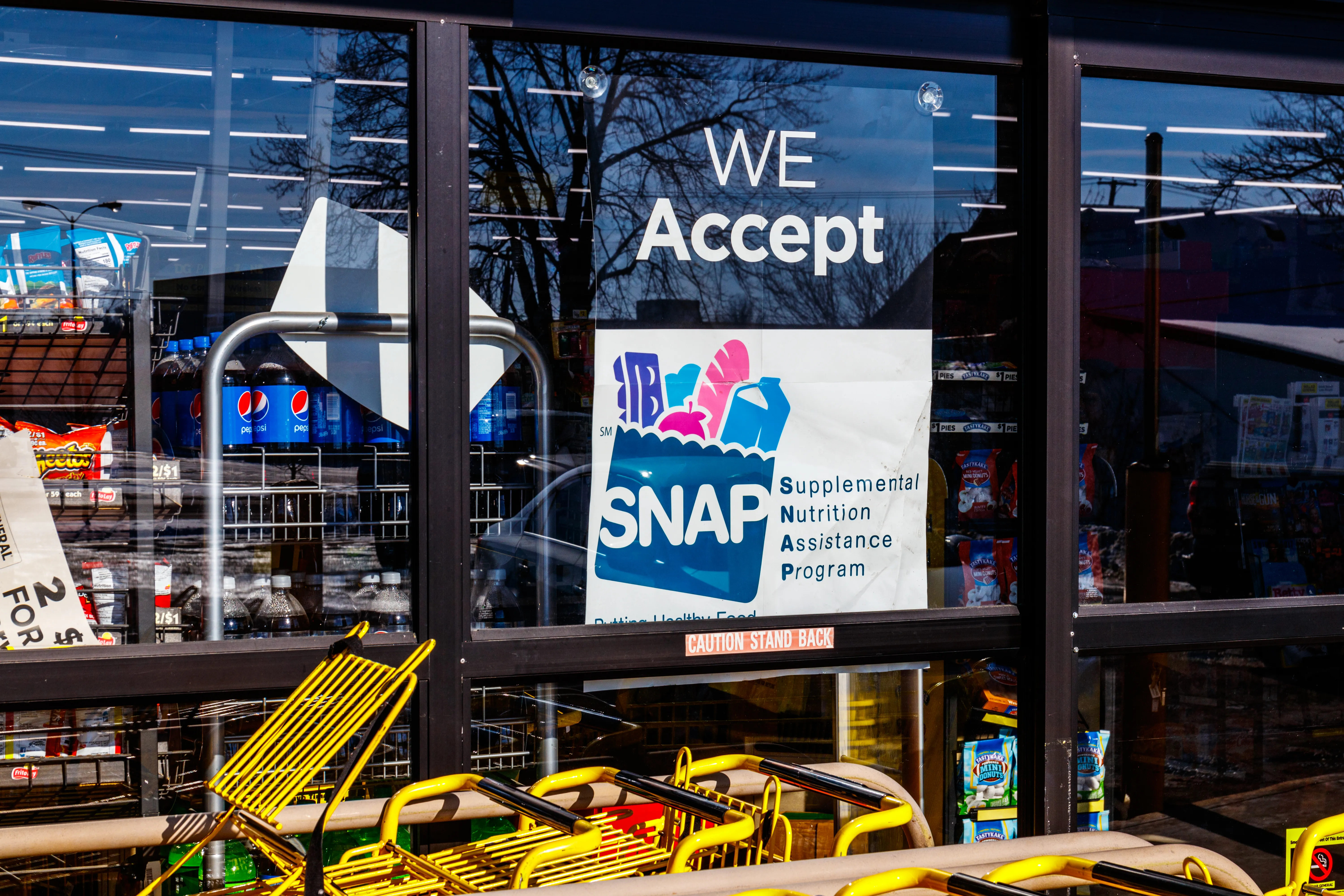
They want increased SNAP food benefits, better pesticide labeling, mandatory country of origin labeling for beef, and more conservation funding.
South Dakota farmer and local government official Dwayne Carlson says too many of the bill's benefits are tilted towards the big corporate producers.
When everybody tells their story and says, hey, this is what's happening out here, they get a better view rather than from lobbyists that are out there trying to push their own agendas.
When you have home farm people out there telling what's happening directly to them, that makes a difference.
States nationwide are seeing impacts of the federal megabill on child well-being.
This year's N.E. Casey Kids Count Data Book finds housing affordability remains a challenge for too many, while math and reading scores have declined.
And Janice Barlow with Kids Count in Delaware says fixing those is going to be tough with state and local budgets already being cut.
In addition to just managing their own priorities, they're going to be talking about how do we do this in this changing environment?
And how do we preserve gains and prevent policy regressions?
I'm Edwin J. Viera for Pacifica Network and Public News Service.
Find our trust indicators at publicnewsservice.org.