Politics: 2026Talks - March 20, 2026

© Arkadiusz Warguła - iStock-1890683226
Politics and views in the United States
Pentagon requests billions in supplemental funding for the Iran war, as Senate continues its marathon debate on the SAVE Act. Washington state bans masks for law enforcement. And Mullin moves ahead in his bid for DHS confirmation.
Transcript
Welcome to 2026 Talks, where we're following our democracy in historic times.
Epic Fury is different.
It's laser-focused.
It's decisive.
Our objectives, given directly from our America First president, remain exactly what they were on day one.
Defense Secretary Pete Hegseth insists the Iran war won't become a quagmire, as he asks Congress for a $200 billion supplemental appropriation.
Critics maintain the administration lacks clear objectives or an exit strategy for a war that's killed 13 U.S. service members and possibly 1,000 civilians.
The White House is giving differing answers on the possibility of sending in troops.
Under pointed questions from Congress, officials have now testified that little intelligence showed Tehran was close to developing a nuclear weapon.
Three weeks in, the average price of gas has risen by a quarter, and the conflict is having a domestic political impact.
Sabato's crystal ball has moved six governor races toward Democrats in hotly contested battleground states.
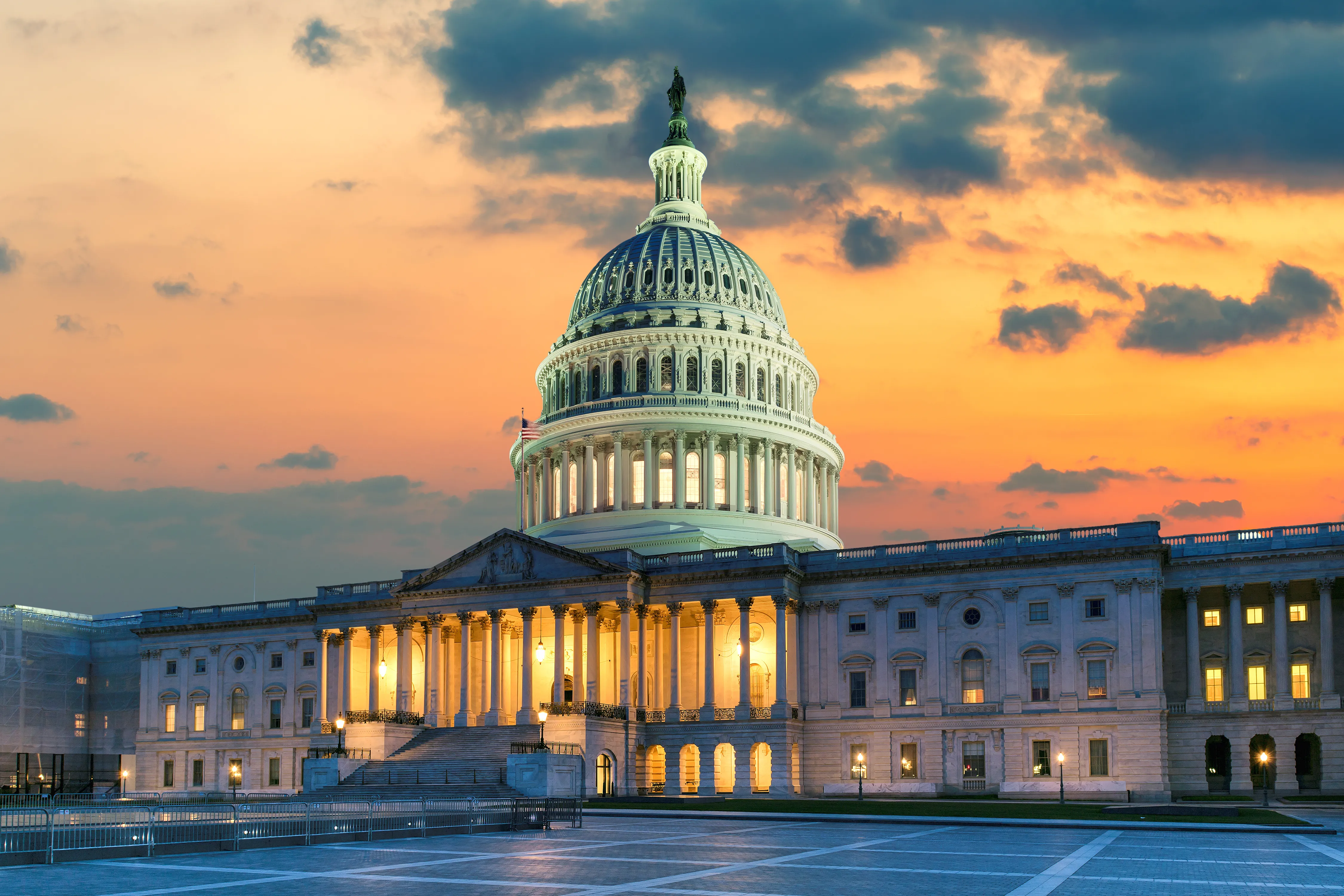
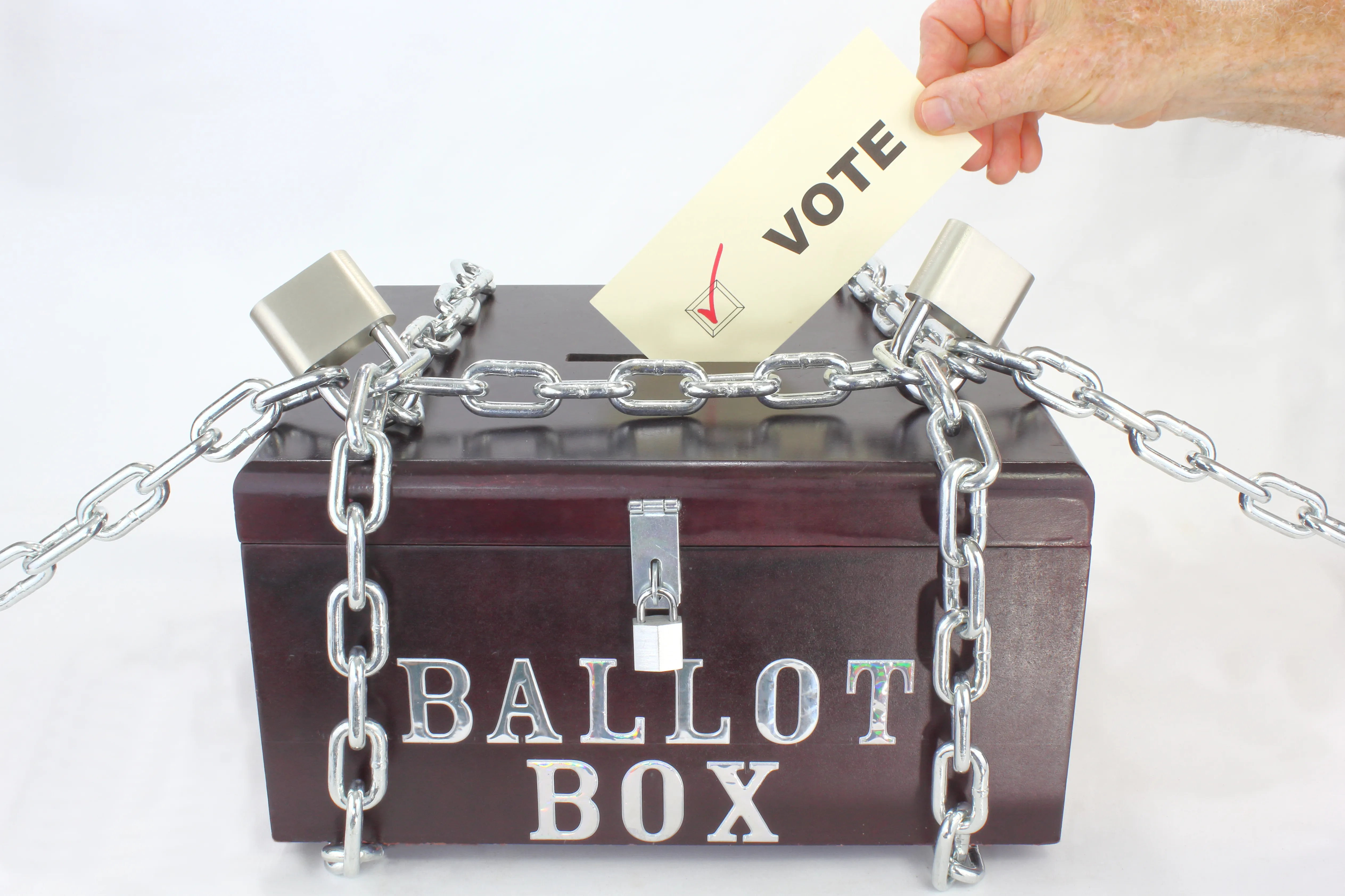
On Capitol Hill, the Senate continues its marathon debate on the SAVE Act, a priority for President Donald Trump that would require strict proof of citizenship to register or vote.
Election officials say it could disenfranchise millions.
Connecticut Secretary of State Stephanie Thomas cites married women who took their husbands' last names and those without easy access to a birth certificate or passport.
And for millions of eligible American citizens, these documents can be hard to find at best, expensive, or even impossible to get at worst.
Democratic senators have introduced a long-shot amendment that would limit federal control of elections, which the president says he favors.
The U.S. received a downgrade from the Varieties of Democracy Institute, which says freedom of expression is at its worst since World War II due to suppression of independent media and dissenting voices.
Environmental advocates say a trend towards voter suppression and authoritarianism is especially hard on historically disenfranchised communities.
Justin Quassa is with the League of Conservation Voters.
Communities that have suffered the worst impacts of environmental injustice also traditionally haven't been allowed to be a part of the voting process.
We need to have a strong democracy and we need to have these communities participate.
A federal judge in Washington state is demanding answers from the Department of Justice over basic procedural failures when suing to get access to unredacted voter data.
Similar efforts have stalled in several states.
Washington is also the latest state to prohibit law enforcement from wearing masks on duty.
Oregon and Virginia lawmakers passed similar legislation, but a court in California has struck down the first such law.
State Representative Edwin Obras says the Washington law will help ease people's fear of being swept up off the street.
They felt afraid that their partner, their family members were going to be taken away.
In the wake of disturbing revelations about the late Chicano labor icon Cesar Chavez, organizations and local governments are quickly moving to take his name from streets and celebrations.
Chavez is accused of multiple cases of rape and sexual abuse.
Oklahoma Senator Mark Wayne Mullins' bid to lead Homeland Security moved out of committee in an 8-7 vote.
I'm Zamone Perez for Pacifica Network and Public News Service.
Find our trust indicators at publicnewsservice.org.