Snow drought could precipitate future Utah water supply crisis

© artzenter - iStock-509493427
Click play to listen to this article.
Experts have said the usual amount of winter snow is a no-show in Utah this season, which could cause problems later this year and beyond.
The snow drought in Utah and across most of the West is limiting skiing and other winter recreation but could also mean increased food costs later this year. State officials measure the annual snowpack in terms of snow water equivalents.
iStock
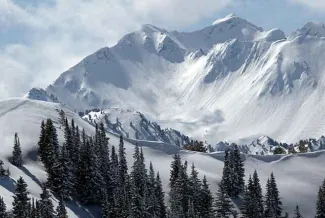
Julie Cunningham, meteorologist at the National Weather Service office in Salt Lake City, said current levels are only about half of what they're supposed to be.
"We're seeing a lack of snowfall as a whole, but it really depends on what elevation you look at," Cunningham explained. "The mid-to-low elevations are really struggling. They’re sitting at anywhere from 10 percent to 40 percent (or) 50 percent of median."
Hydrologists have said Utah receives about 95 percent of its water supply from snowpack and a snow drought means less water is stored for the summer. The lack of water would increase the cost of farming, while a decline in hay production can raise prices for local dairy farmers.
Cunningham pointed out cyclic forces, such as La Niña or El Niño systems in the oceans, can affect the annual snowpack but there are many other patterns and cycles influencing snowfall in the West.
"We talk about snowpack, but that's not really the only thing that goes into the water supply," Cunningham emphasized. "The high elevations have seen an increase in snowpack, but those same storms produce rainfall in the mid-to-low elevation."
Officials warned the low snowpack does not just affect Utah. The Upper Colorado River Basin supplies water to more than agricultural interests; it also goes to 40 million people in seven states along a 1,500-mile stretch from Wyoming to the Mexican border. Hydrologists fear less water could lead to shortages and rationing across the region.