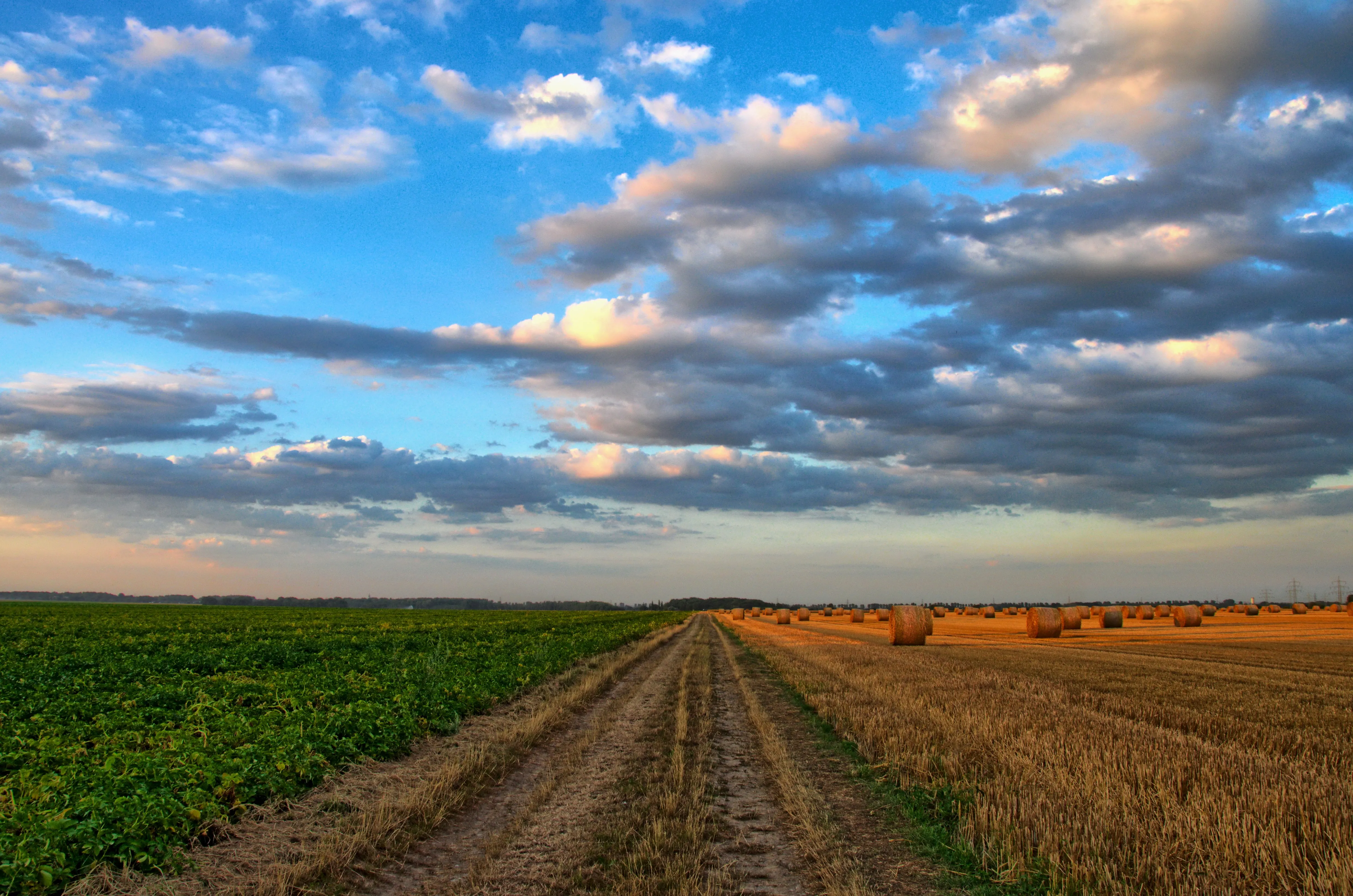
South Dakota rancher invests in native plants to restore land

Click play to listen to this article.
April is Native Plants Month, and a South Dakota rancher is reflecting on her journey to turn part of her ranch back to native grassland.
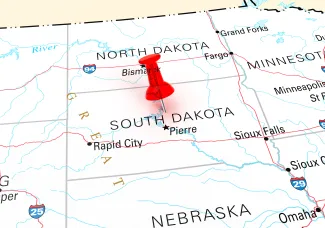
Dawn Butzer and her husband bought 100 acres in Alcester, South Dakota, in 2019, knowing they wanted to convert it to pasture for better soil and grazing.
After leasing it for five years, Dawn said she started researching native prairie plants. On Good Friday last year, she planted a mix of cool and warm-season grasses, along with native flowers. The plants took off after soaking rains.
"Agency people would stop in consistently to see the progress, and they'd say, 'There's prairie flowers in here that take years to get established, sometimes up to seven years, and here you go. You've got them the first year,'" Butzer recounted.
Butzer credited the team who taught her the process. She worked with South Dakota State University Extension and grazing experts at the South Dakota Grassland Coalition. Native plants are more drought-resistant, need less water and fertilizer, and improve habitats for wildlife and pollinators. South Dakota can lose up to 100,000 acres of grassland each year to row crops and urban sprawl.
Native grasses handle drought better partly because of their deep root systems. For example, big bluestem, a grass native to much of the Great Plains, can grow roots up to five feet deep.
"This planting has not gotten there yet, but those roots do go pretty deep, so that when we do get a rain, that rain can shoot right down into the ground," Butzer explained.
Butzer noted another part of the investment is letting the land sit idle while the plants take hold. She added it will be next year at the earliest before cattle can graze on her native pasture.
"I'll probably pop a bottle of Champagne when we turn those cattle out because we've talked about it for so long," Butzer laughed. "The fact that I can't believe that there'll actually get to be something out there is pretty exciting."
Butzer emphasized she is happy to share what she has learned with other ranchers who want to follow her path. She is planning a field day June 16, when the public can come out, take a look at the land, walk the field and learn what it takes to restore native grasslands.