Governor Jared Polis signs $46.8 billion state budget

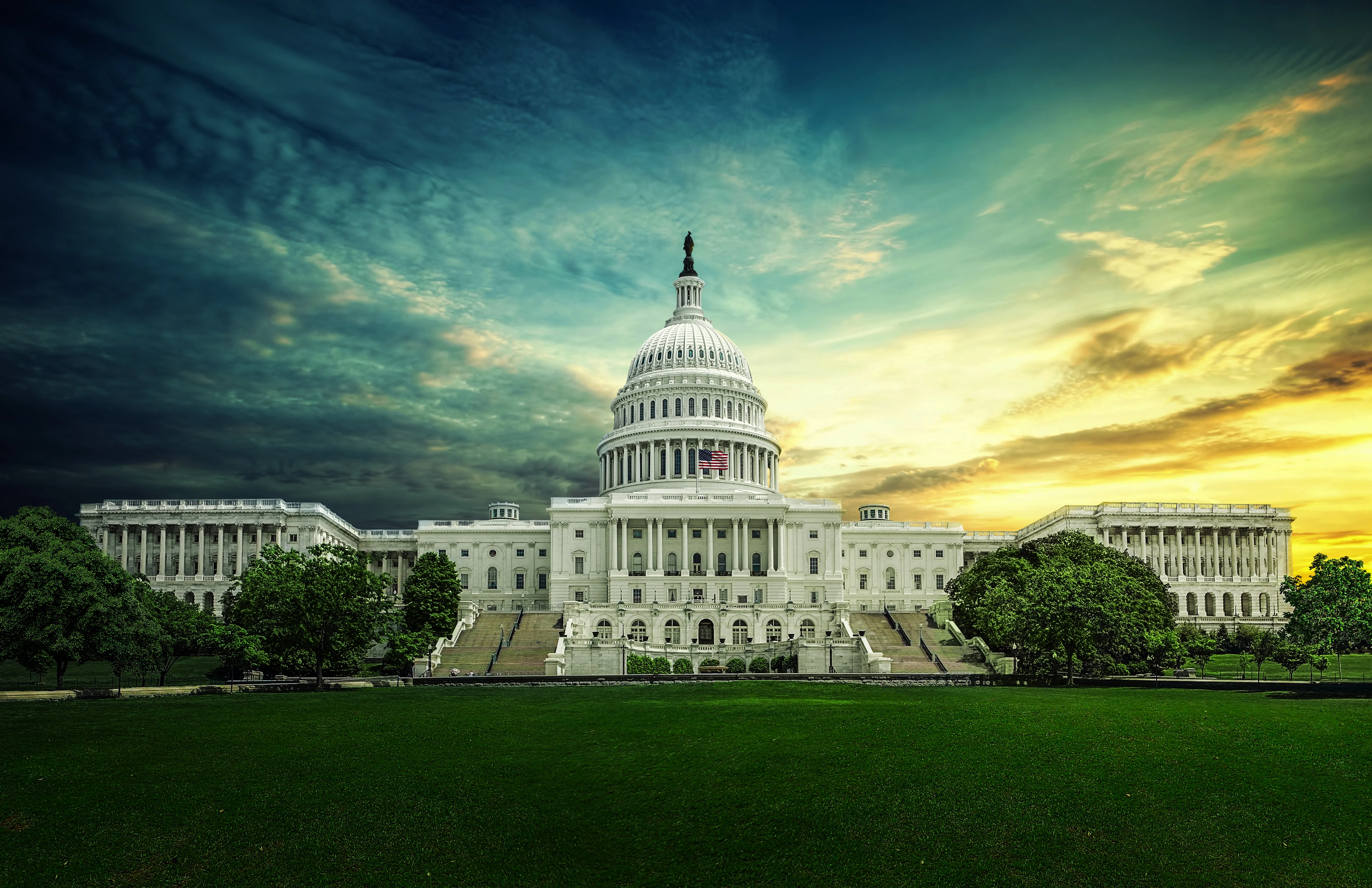
© zimmytws - iStock-511889079
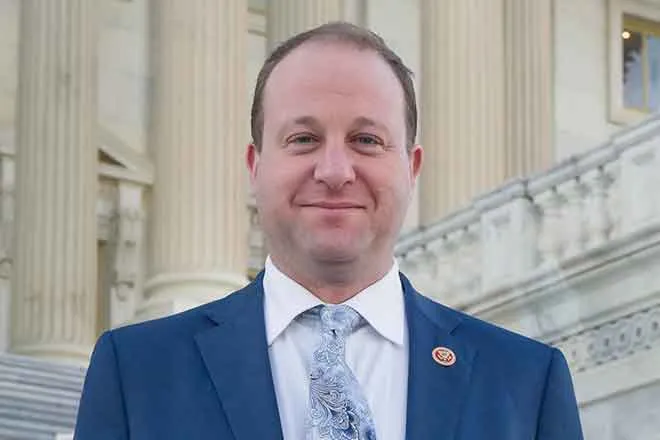
Colorado Governor Jared Polis signed the state’s approximately $46.8 billion budget on Friday afternoon, following months of painful cuts to programs and key services across the government to make up a massive budget shortfall.
With his tenure set to end after two terms in January, it will be the last budget Polis signs as governor.
The spending bill is the only legislation the General Assembly is constitutionally required to pass. And, unlike the budget at the federal level, Colorado’s state budget has to be balanced.

“I’m proud of because our (Joint Budget Committee), working very hard, has produced a balanced budget with the resources we have an in a very difficult year,” Polis said before he signed the budget in his office at the state Capitol.
Overall, the budget included $17.4 billion in general fund dollars, which are the most flexible for use. That is more than $200 million increase over last year. The budget is also made up of money in cash funds meant for a specific purpose and federal funding.
Budget writers on the bipartisan Joint Budget Committee faced a budget deficit of about $1 billion — the gap between keeping program spending relatively stable in the next fiscal year and the amount of tax revenue the state is allowed to keep and spend under the Taxpayer’s Bill of Rights. A few key variables drove that deficit, including ballooning Medicaid costs and lower tax revenue from federal tax code adjustments.
Polis praised the preservation of education funding and the work to fund public safety and emergency responses. The federal government denied the state’s appeal for disaster relief following major floods and fires last year.
A lot of the budget cuts hit Medicaid, such as an across-the-board provider rate cut. Polis said the budget as a whole was a start to bending the curve on “out-of-control” state expenses, and the JBC will need to continue to work on the progress in future years.
“Healthcare costs cannot possibly go up at 10, 11% year to year. That’s ridiculous,” Polis said. “It’s not like health outcomes are getting better at 10, 11% (increases). And when health outcomes are the same, it’s just idiocy to spend more money. So when you get the same for less, you do it.”
The JBC worked since late last year to enact spending reductions while protecting key services like public education and safety net programs to the extent they were able. The budget has an overall increase in funding for the state’s universal preschool program, public schools and emergency management infrastructure. At the same time, it cuts support for people with family members who live with developmental disabilities, reins in a program to insure pregnant women and children without legal immigration status and reduce’s the state’s rainy day fund by 2%.
“This year was incredibly difficult and challenged each of us in a myriad of ways that put our values to the test,” said JBC Chair Representative Emily Sirota, a Denver Democrat. “This is a zero-sum game. A dollar here is a dollar less over there.”
The budget will take effect when the next fiscal year begins on July 1.