Kansas governor vetoes bill requiring daily recess, annual fitness test of public school students

© 4nadia - iStock-1444854065
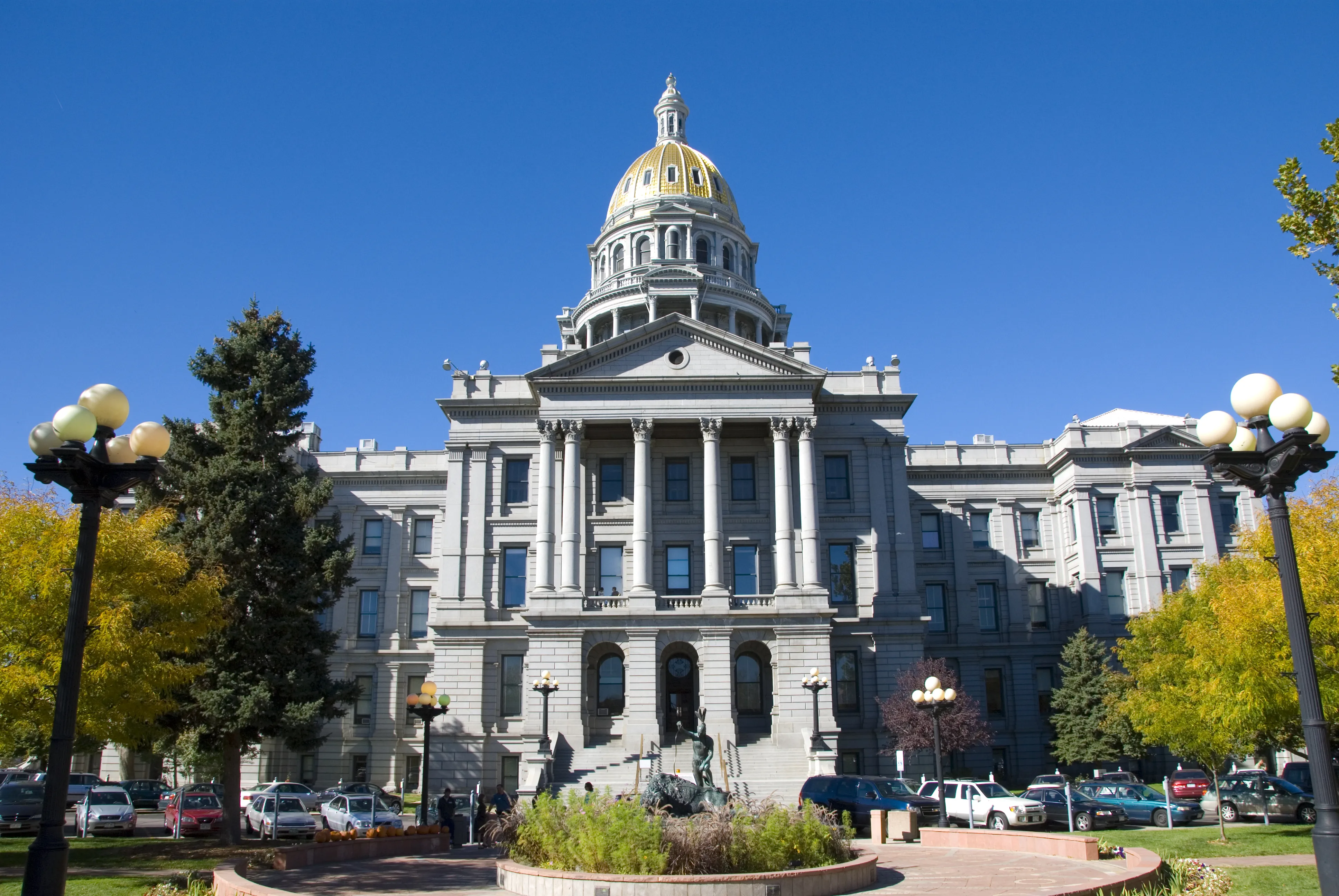
Senate President Ty Masterson says the Kansas Legislature justifiably flexed its political muscle to approve a bill mandating public schools administer fitness tests to students in first through 12th grades and require 30 minutes of unstructured recess for elementary students.
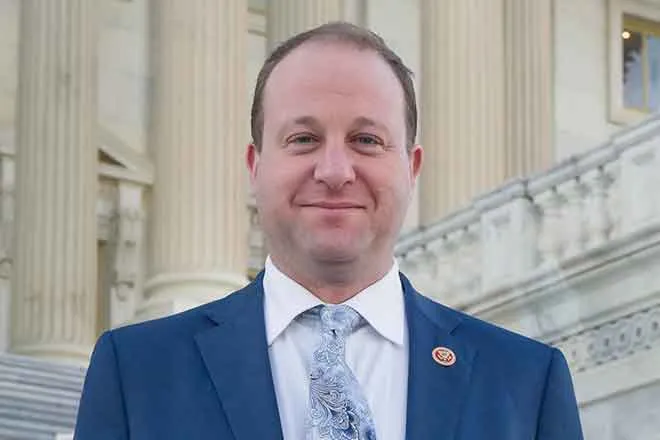
Governor Laura Kelly disagreed enough with Masterson, and a majority of his colleagues in the House and Senate, to veto House Bill 2763. It mandated the Kansas State Board of Education initiate this year the physical fitness test and implement by 2027 the directive on recess.
“This veto by Laura Kelly is absurd,” said Masterson, who seeks the Republican nomination for governor in a bid to fill Kelly’s shoes in January. “When I’m governor next year, this bill will become law.”

© monkeybusinessimages - iStock-684060608
He said state government had a vested interest in requiring school districts to improve the health of children and to promote healthy habits that might be sustained for a lifetime.
Under the bill passed 74-47 in the House and 29-11 in the Senate, recess couldn’t be limited or withheld for disciplinary reasons unless a student was viewed as an immediate threat.
Kelly, a Democrat nearing the end of her second term as governor, supported the idea that elementary students needed at least 30 minutes of recess every day at school. Recess is capable of enhancing the ability of students to learn in the classroom, she said.
She also welcomed implementation of the annual fitness test for students to comply with requirements for receiving federal funding for a rural health initiative. Students with a disability or those with a medical excuse confirmed by a physician would be exempt.
Kelly said elected members of the state Board of Education were committed to fitness tests for students once federal officials issued guidance to states. In addition, the governor said, state education leaders pledged to affirm a recommendation that districts deliver a minimum 30 minutes of recess daily.
“I appreciate the state Board of Education’s willingness to use its constitutional authority to modify curriculum requirements,” Kelly said.
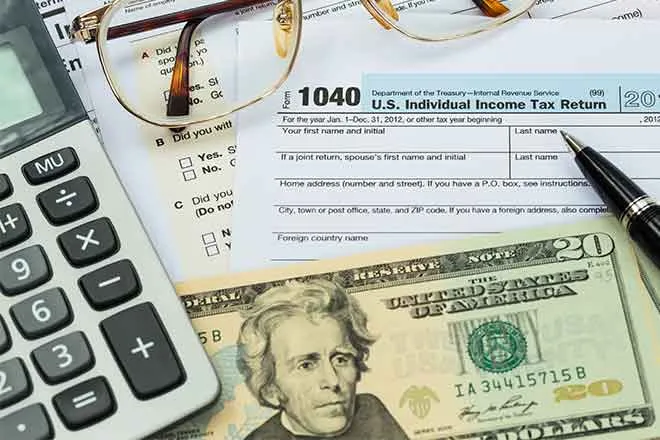
Meanwhile, the governor decided Monday to veto House Bill 2515, which would have allowed gold and silver coins to be recognized as legal currency in Kansas. The legislation would have eliminated the state’s income tax on capital gains from exchange of the precious metals. In addition, the bill removed new legal tender from the state’s sales and property taxes.
Kelly said she vetoed HB 2515 because the act would benefit a subsection of Kansas investors and decrease the revenue necessary to operate state government.
© PeterHermesFurian - iStock-1352430281
“I have made it a priority during my administration to find ways to reduce the tax burden for Kansans, best evidenced by the elimination of both the food sales tax and the state income tax on Social Security,” she said. “I have also made it a priority to protect the state’s ability to meet its obligations to fund schools, build roads, take care of foster children and other essential services, while ensuring the long-term financial health of the state.”
Kelly vetoed House Bill 2111, which was passed by the Senate on a vote of 27-13 and by the House with a 71-49 vote.
She said the bill was designed to inhibit local government regulation of a new class of agritourism businesses. It was improper for the state to infringe on the cities and counties best positioned to partner with businesses engaged in tourism associated with the agriculture economy, she said.
She said the legislation was requested by a single business and rammed though the legislative process at the end of the annual session.
“It is irresponsible for the Legislature to rush to amend state law on behalf of a single entity when the changes contained in this bill could have far-reaching negative consequences,” Kelly said.
Kelly also vetoed House Bill 2044, which would have provided a state income tax exemption for individuals serving on active duty in the U.S. military. It was unanimously approved by the Senate and by a margin of 116-4 in the House.
Because the House and Senate have officially ended their sessions for the year, Kelly’s vetoes of these bills cannot be overriden.